The Belgian Grand Prix at Spa-Francorchamps always tests teams’ tactical nous, with its long straights, elevation changes, and unpredictable weather adding layers of complexity. For 2025, Pirelli supplies the C2 hard, C3 medium, and C4 soft compounds—harder than last year’s mix—to handle the circuit’s demands on tire wear and thermal degradation.
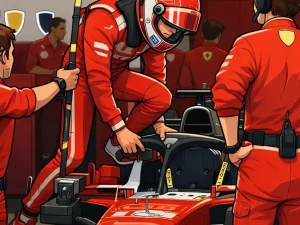
A one-stop strategy looks viable for frontrunners, likely starting on mediums before switching to hards around laps 12-18. This setup minimizes time lost in the pits while managing degradation on a track where rear tires take a beating through sectors like Eau Rouge and Blanchimont. However, if rain hits—as forecasts suggest a 40% chance on race day—teams might pivot to intermediates or full wets, throwing planned stops into chaos.
Two-stoppers could gain an edge if early aggression pays off. Picture starting on softs for a quick getaway, pitting early (laps 8-12) to mediums, then again (laps 25-30) to fresh softs for a late charge. This suits drivers like Max Verstappen at Red Bull or Charles Leclerc with Ferrari, who can exploit Spa’s overtaking zones at Kemmel Straight or the Bus Stop chicane. Undercutting rivals becomes key here, especially with the DRS zone extended this year.
Weather aside, track position matters hugely. Mercedes’ George Russell and Lewis Hamilton (now at Ferrari) might opt for conservative one-stops to defend against midfield threats like McLaren’s Lando Norris and Oscar Piastri. But high-speed corners amplify any setup errors, so expect some to gamble on offset strategies—delaying the first stop to lap 20 on mediums, then pushing hard on softs to the flag.
Fuel loads and engine modes will influence choices too. Teams nursing power unit allocations, like Aston Martin with Fernando Alonso, may lean toward efficiency over outright pace. Ultimately, the winning call hinges on real-time adaptability—Spa rewards the bold, but punishes the unprepared.