Andrea Stella isn’t reaching for the handbrake on F1’s latest hot-button topic. In the wake of Laurent Mekies’ instant elevation from Racing Bulls to Red Bull Racing to replace the ousted Christian Horner, McLaren’s team principal says he welcomes a grown‑up conversation about staff movements and team independence — with a clear warning against quick fixes.
“This is an interesting topic and quite complex,” Stella said when asked about the FIA’s push to restrict instant transfers between teams from 2026. “We have to be wary that we don’t approach it in too simplistic a way.”
Mekies’ switch — executed overnight thanks to Red Bull owning both teams — sidestepped the usual minefield of gardening leave and confidentiality buffers. Alan Permane has stepped in to run the Faenza operation, while Mekies crossed the hall to Milton Keynes without delay. That smooth shuffle has the FIA’s antenna up: the governing body is working on a rule tweak for 2026 that would bar immediate team-to-team moves and enforce a mandatory gardening leave period. The change is set to live in a revamped Section F of the regulations, covering operational matters outside the traditional headings.
McLaren’s stance? Nuanced. Stella says the current rules and their enforcement “are already a valid way of mitigating” risks tied to close alliances and rapid personnel moves. But he thinks the debate should broaden to the heart of the issue: ensuring fully independent teams aren’t disadvantaged by A‑B structures.
“It’s a question that should be discussed as part of putting the sport in a very solid, fair position,” he added, noting McLaren has long flagged the independence concern. “We think this is a topic that can be part of constructive conversations in the future to see if there’s a way of approaching the matter of team independence in an evolved way compared to where we are at the moment.”
Zak Brown has been less circumspect. McLaren’s CEO has repeatedly railed against A‑B relationships and common ownership, arguing that in a cost‑cap era they blur competitive boundaries and threaten “the integrity of sporting fairness.”
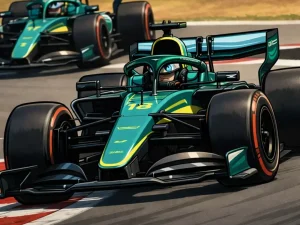
McLaren is one of two independent operators on the grid alongside Alpine. The rest of the field continues to consolidate: Sauber is bound for full factory status with Audi, Aston Martin is transitioning to Honda power as a works partner, and the Enstone outfit will enter a deeper technical tie‑up beyond a power unit supply from 2026.
The FIA’s planned “Section F” guardrails would be a start, but the Mekies episode underlines the broader tension. Personnel flow is just one leak point in an ecosystem where ownership webs, technical collaborations and shared facilities can tilt the playing field. Stella’s message is clear: set the rules with surgical precision, not a sledgehammer.