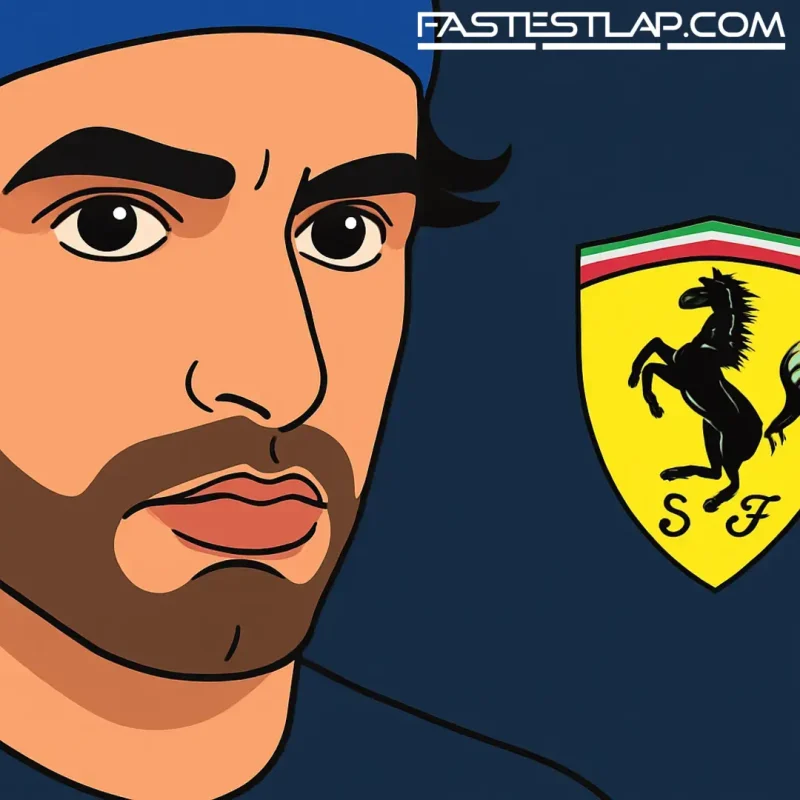
Helmut Marko needles Sainz over Mexico VSC that kept Verstappen behind Leclerc
Helmut Marko couldn’t resist a jab. After a bruising Mexico City Grand Prix for Red Bull, the team’s motorsport adviser suggested Carlos Sainz had “gift-wrapped” a late favor for his former employers at Ferrari by triggering the virtual safety car that blunted Max Verstappen’s charge at Charles Leclerc.
The timing was brutal. Verstappen, who started only fifth after a flat Saturday, had hauled himself into contention and was bearing down on Leclerc for second when yellow panels flashed and the field was frozen. Up ahead, Sainz’s Williams had looped at the stadium section and nosed the wall, the Spaniard then shuffling into an opening in the barrier as smoke traced out of the car. Race Control opted for a VSC. Cue groans at Red Bull.
“Max had such a great comeback. He was five or six tenths faster on average,” Marko told Sky Germany. “We were 100 per cent convinced he would still manage second place, but Sainz gave Ferrari a belated farewell gift.”
Quietly, it stung. Even if Verstappen’s title push was already looking thin, every point matters in the final run-in. McLaren’s sixth win of the season for Lando Norris restored the Briton to the top of the standings by a single point over Oscar Piastri, with four rounds left. Verstappen sits 36 adrift—still close enough to be awkward, not close enough to be comfortable.
As for the incident itself, the call wasn’t as contentious in Race Control as it looked on the couch. While some bristled at a VSC for a car that had ducked into the barrier gap, the Williams was still in an exposed position and visibly unhealthy. The FIA went safety-first, which is exactly what the rulebook is written to do.
Sainz, for his part, said the last thing he wanted was any kind of neutralisation. “I went into the inside of the barrier with the car to try and avoid any safety car or VSC. I think I did the safest thing I could do,” he explained to media post‑race. “I was just pushing. I had Lance [Stroll] behind, pushing flat out to see if I could get P14. I had overheating on the tyre and I had a half spin. But anyway, we were going to retire the car.”
That retirement had been looming for a while. Williams had been wrestling gremlins since Lap 1, when Sainz picked up wheel‑speed sensor damage in contact with Racing Bulls’ Liam Lawson. The faulty data then landed him two separate speeding penalties in the pit lane—one of those days where every step forward came with a smack on the shins.
It’s not how Sainz imagined his first season back in the midfield would feel. The 30‑year‑old swapped Ferrari red for Williams blue over the winter, ending a four‑year stint in Maranello that delivered all four of his F1 victories. He’s fought hard across 2025 in a car that’s spikier than the headlines suggest, and Mexico was a rough snapshot of life when the margins are razor‑blade thin and the sensors are lying.
Marko’s quip was pure paddock theater—pointed, yes, but also the kind of line that fuels Monday morning debates. Strip away the sarcasm and the bigger picture remains: Verstappen was flying, Leclerc was stout in defense, and one twitch of fate locked the order in place.
What matters now is what comes next. McLaren’s intra‑team arm‑wrestle heads into its decisive phase with Norris a nose ahead of Piastri and neither blinking. Ferrari, with Leclerc hoovering up podiums, is lurking for opportunities and keeping both papaya cars in sight. And Red Bull, so often the hunter that becomes the hunted, needs clean weekends and a little luck to keep their four‑time champion in the conversation.
Mexico gave us a reminder that championships can hinge on details: a snap of oversteer, a smoking wheel arch, and a line of lights on a marshal’s post. Sainz didn’t intend to write a twist into Red Bull’s race; he just happened to be holding the pen when the page turned.