Monday Briefing: Williams goes back to the future, Horner chatter rumbles on, and more 2026 intrigue
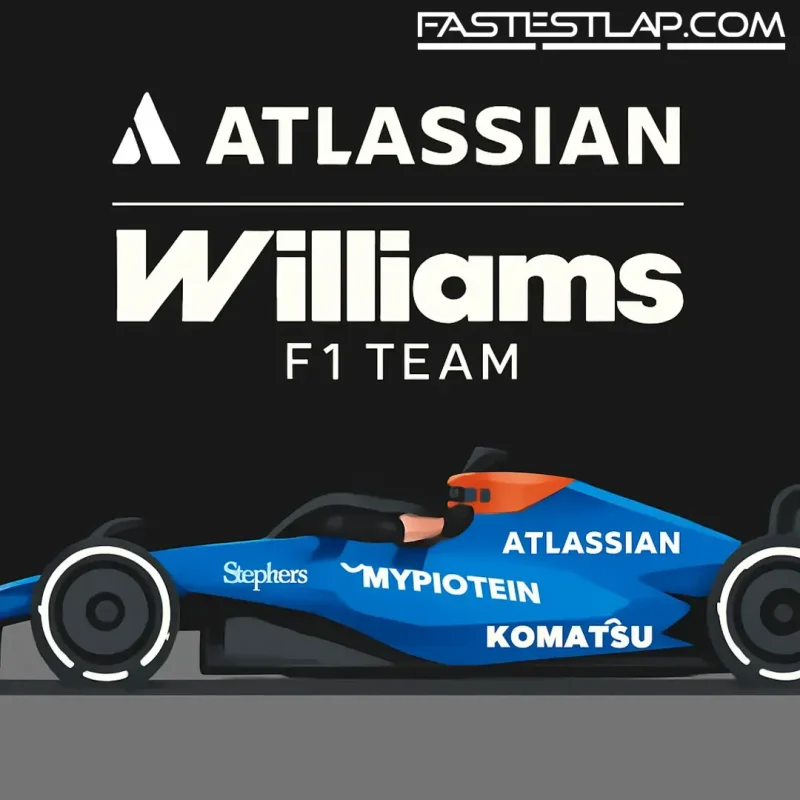
Williams is changing clothes again — and this time it’s a throwback. As the grid heads to Interlagos, the Grove outfit has revealed a refreshed identity for the 2026 rules era, reviving the classic “Forward W” and tightening its name to Atlassian Williams F1 Team. It’s a modernized nod to the team’s roots, one that will look familiar to anyone who’s watched a blue-and-white Williams hustle since the late ‘70s.
The badge isn’t just nostalgia for nostalgia’s sake. Williams has been steadily rebuilding its house, and anchoring the brand to a symbol fans actually identify with is smart. The Atlassian tie-in suggests more than a logo on a truck, too — software brains are as valuable as horsepower in modern F1, and 2026 will only amplify that. The rebrand takes full effect in January 2026, but don’t be surprised if the merch stalls get busy well before then.
Elsewhere in the paddock rumour mill, the Christian Horner conversation refuses to die down. The former Red Bull chief is, depending on who you ask, eyeing a path back into F1 that doesn’t necessarily involve the classic team principal’s chair — perhaps via a stake in a team or a different leadership brief. Martin Brundle, never shy of cutting through the noise, reckons the job itself has shifted.
“We’re seeing a new type of team principal these days, aren’t we?” Brundle mused, pointing to the rise of engineering-first leaders tasked with knitting together thousands of specialists. He name-checked Laurent Mekies as an example of someone leaning on political support structures around him — the modern model: technical glue at the top, seasoned operators in the corridors. It’s not hard to see why an old-school boss might seek a different entry point if he returns.
On-track (or just off it), the gamesmanship arms race is alive and well after “Tapegate” in Austin. Red Bull was hit with a €50,000 penalty — half of it suspended — after a mechanic stepped onto the grid area where tape had been placed for Lando Norris’ positioning. A minor skirmish, yes, but the kind that tells you everything about title fights decided in millimetres.
Johnny Herbert thinks we’ve not seen the last of this kind of needle in 2025’s run-in. “There’s going to be games like that as well between now and the end of the season,” he said, adding that Red Bull are “very much on the high side” of playing them. Whatever your view on the tape itself, the message is clear: no edge is too small, and no grey area goes unexplored when the pressure spikes.
Ferrari, meanwhile, is deep in 2026 mode. Back in Maranello, the whispers are that recent form has given the Scuderia confidence to lock in some of the big-ticket choices on Project 678, its first car for the new regs. The word out of Italy is that fewer changes than once planned will hit the suspension architecture — a sign, perhaps, that the last couple of races have answered internal questions about direction.
With Lewis Hamilton now in red for 2025, every 2026 decision takes on extra weight. That first Hamilton–Ferrari machine under the new power unit and aero framework will be a statement piece; stability where it counts could be the right kind of conservative.
And then there’s a live hand-grenade for the sporting side: mandatory two-stop races. The idea has been floated for the F1 Commission to consider — potentially as soon as 2026 — with the aim of forcing more pit action and adding jeopardy. It’s an age-old argument. Proponents see guaranteed spice and fewer processions; critics see a recipe that kills organic strategy variation and boxes teams into identical plans.
The truth, as ever, sits somewhere between. Two-stoppers can produce fireworks when tyre characteristics and ambient conditions line up. They can also turn grand prix strategy into paint-by-numbers. If the goal is variability, there are other levers — tyre constructions, allocation tweaks, even circuit-specific DRS and energy rules — that don’t mandate the plot. If the goal is entertainment, you’d hope the show can stand on its own most Sundays.
Back to Williams before we go. Reviving the Forward W won’t magically drag the team up the grid next year, but symbols matter in a sport where identity is half the battle. In a timeline crowded with tech partners and three-letter acronyms, a clean mark that carries history gives fans something to rally around. And as 2026 creeps closer, that rallying point might be just as important as the next tenth found in the wind tunnel.
Interlagos will do what Interlagos always does — compress the field, punish mistakes, and invite the brave. The politics will rumble on, the rumours will swirl, and the tape will, presumably, stay stuck to the right places. See you at Turn 1.