Teams slam brakes on F1’s two-stop mandate as 2026 reset looms
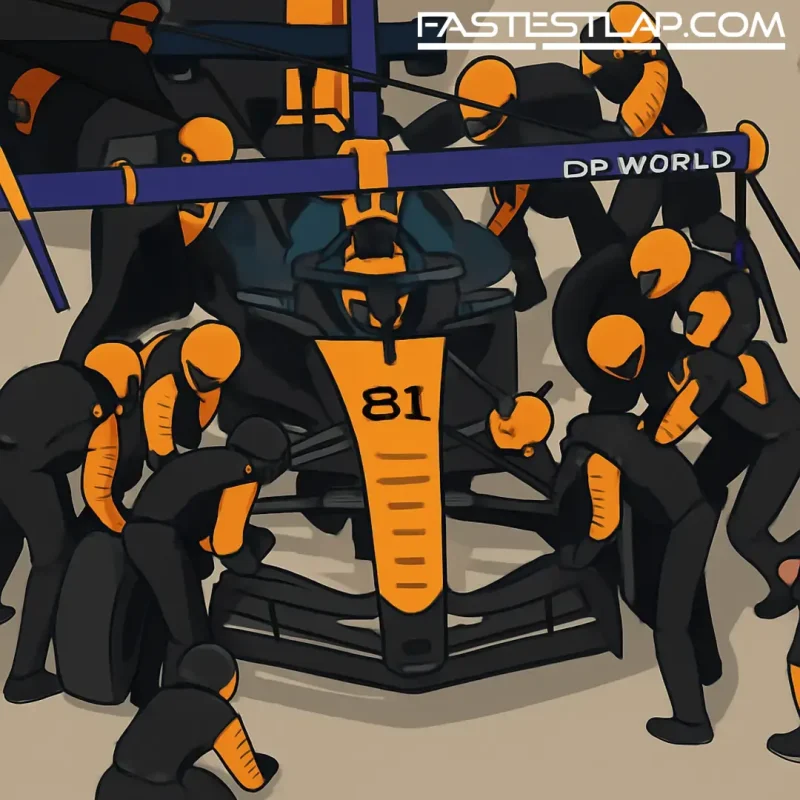
Formula 1 flirted with the idea of forcing two pit stops per Grand Prix. It’s now back on the shelf, and it doesn’t sound like the teams will be rushing to take it down again.
At the latest F1 Commission meeting, the sport explored a bundle of race-format tweaks aimed at stirring up strategy: a mandatory two-stop rule, tighter tyre-life limits, tweaks to specs, even the idea of running three compounds in a race. The FIA confirmed no changes were agreed, and the topic will be revisited during 2026 — once the new regulation era is actually on track.
Behind the scenes, enthusiasm was thin. The paddock temperature suggests the concept has little support; most teams pushed back, wary that forcing two stops would push everyone toward the same plan and flatten the very variability fans want. That’s the paradox: more rules often mean less diversity in approach.
It all flows from a familiar headache. Pirelli’s current compounds have become robust enough that one-stop races are the default, and FOM asked whether the show needed a nudge — either via softer tyres or a hard rule to engineer more pit lane action. Pirelli ran the numbers. The Commission listened. But the idea never made it to a vote.
Even Stefano Domenicali, who’s not shy about trying things to spice up Sundays, is understood to have sided with the teams’ logic: mandate two stops and strategies will converge, not diverge.
We’ve been here before. The two-stop fix was floated in 2018 and met the same resistance. Pirelli’s Mario Isola warned then — and hasn’t changed his tune — that if you box teams in, they tend to arrive at the same answer. In recent private simulations, when squads were asked to map strategies off three pre-selected compounds, most still landed on virtually identical plans. Add constraints, get convergence.
Team bosses were careful but consistent in public. Racing Bulls’ Alan Permane welcomed the idea of more dynamic races, then immediately underlined the catch: if the tyres don’t naturally demand two stops, forcing them will just create copy-paste strategies. The chess disappears.
McLaren’s Andrea Stella urged patience. With 2026 bringing wholesale changes to chassis aero and power units, he argued for observing how the racing evolves before rewriting sporting rules on top. In other words, don’t fix what you don’t yet know is broken in the next era.
Williams’ James Vowles hit the fundamentals: bigger performance and degradation gaps between compounds first, formats later. His worry is a grid pitting within a lap of each other because the regulations funnel them there — the opposite of what anyone wants.
The broader point from the teams is clear. If you want variety, build it into the tyres and the cars, not into prescriptive boxes on a sporting sheet. High-deg rubber that opens up genuine one-, two- and three-stop options will naturally spread the field across different plays. And with the 2026 cars promising different aero loads, lift/drag balances and energy profiles, there’s a good chance the strategic landscape will shift on its own.
So, the two-stop mandate isn’t dead, but it’s been politely sent to the waiting room. The sport will circle back once the 2026 machinery has told its story. If Sundays still need shaking up then, expect a renewed push on tyre philosophy before any heavy-handed rules.
Until then, the status quo remains: let the teams decide how to win the race, not how many times they must stop while doing it.