Isack Hadjar’s Red Bull call-up didn’t come with the famous five words
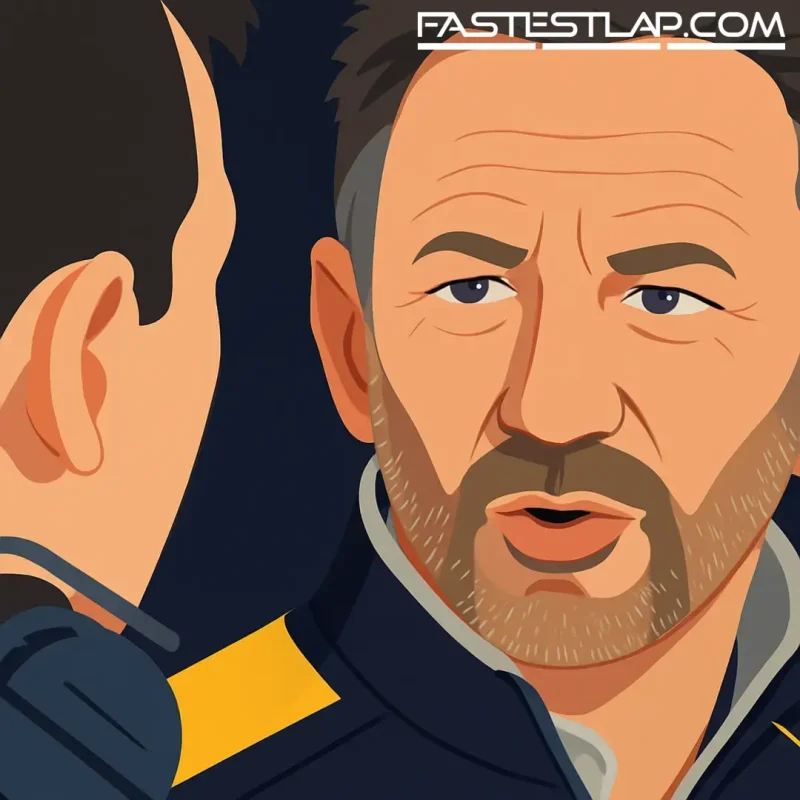
For years, a certain five-word salute marked the moment a driver officially joined Red Bull’s A-team. “Welcome to Red Bull Racing,” Christian Horner would say, sealing the deal with a flourish only Horner could deliver.
Not this time.
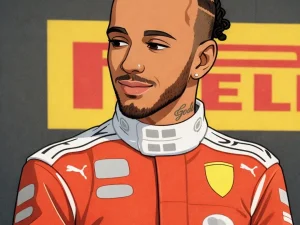
With Horner gone since July and the team under new stewardship, Isack Hadjar’s promotion for 2026 arrived without ceremony. No big reveal. No late-night ringtone and wink down the line. Just a straight, matter-of-fact conversation with Helmut Marko.
“No very cool phone call,” Hadjar grinned on Thursday, speaking ahead of the Abu Dhabi finale. “It was just a talk with Helmut. He made me understand I was driving for Red Bull and I had to deliver. That’s it.” The French-Algerian added he found out “very late… let’s say Qatar race week.”
The shift in tone reflects a broader reality at Milton Keynes. After more than two decades at the helm and a trophy cabinet that defined an era, Horner’s departure midway through 2025 left Red Bull rewriting its own traditions. Laurent Mekies has since stepped in to lead the operation, and the team has quietly set about plotting its next chapter — a chapter that includes bolting a brand-new power unit of its own making into an all-new 2026 car.
Hadjar’s rise is the headline piece of that future. Red Bull confirmed the 20-year-old for next season alongside Max Verstappen, rewarding a sharp rookie campaign at Racing Bulls in 2025. Liam Lawson moves across to anchor Racing Bulls with teenage prospect Arvid Lindblad, while Yuki Tsunoda shifts into the test and reserve role — a move that didn’t land softly with the Japanese driver.
For Hadjar, the timing feels perfect. “It’s the beginning of a new journey,” he said. “We’re stepping into a new era of Formula 1 as well. I think it’s very good timing.” The incoming regulations reset everything: new chassis, new aero, and crucially, a drastically revised power unit formula. Red Bull Powertrains, in collaboration with Ford, will supply the works team for the first time.
That reality has been described, depending on who you ask, as either audacious or borderline crazy. Toto Wolff likened the challenge to climbing Everest; Red Bull’s own camp hasn’t exactly pushed back. “It’s as crazy as it gets to decide to do your own power unit,” admitted Mekies earlier this year. The message has been consistent: this is being done the Red Bull way — maximum push, no illusions about how long and how hard the climb will be.
Hadjar enters that storm with the right kind of calm. Inside Racing Bulls, some engineers have compared elements of his approach to Verstappen’s; Hadjar isn’t buying the copycat narrative, but he also isn’t shying from the standard. “I’m not trying to copy what he’s doing,” he said. “Max is unique. I’d say I am too. But in terms of mindset, we have some things in common.”
There’s a maturity to the way he’s speaking now. No grand promises, no bold predictions, no platitudes. “I have no expectations at all because it’s starting from scratch — everyone,” he said. “I’m just really looking forward to January, February, working with the team, getting to know all the people. It’s going to be crucial to try and be ahead a bit.”
If Hadjar’s announcement lacked the old theatre, it came with a dose of Red Bull’s new reality. The team is still the sport’s benchmark — Verstappen has ensured that — but 2026 is a different game entirely. The Horner-era catchphrase has been retired, at least for now. The message today is leaner: welcome to the work.
Hadjar seems fine with that. In fact, he fits it. A grounded rookie season, a late tap on the shoulder from Marko, and now the biggest seat of his life as Formula 1 resets the board. No cool phone call required. Just an opportunity — and a mountain, depending on your metaphor — to climb.