Abu Dhabi bruiser: Hamilton’s fourth straight Q1 exit seals a grim first Ferrari season
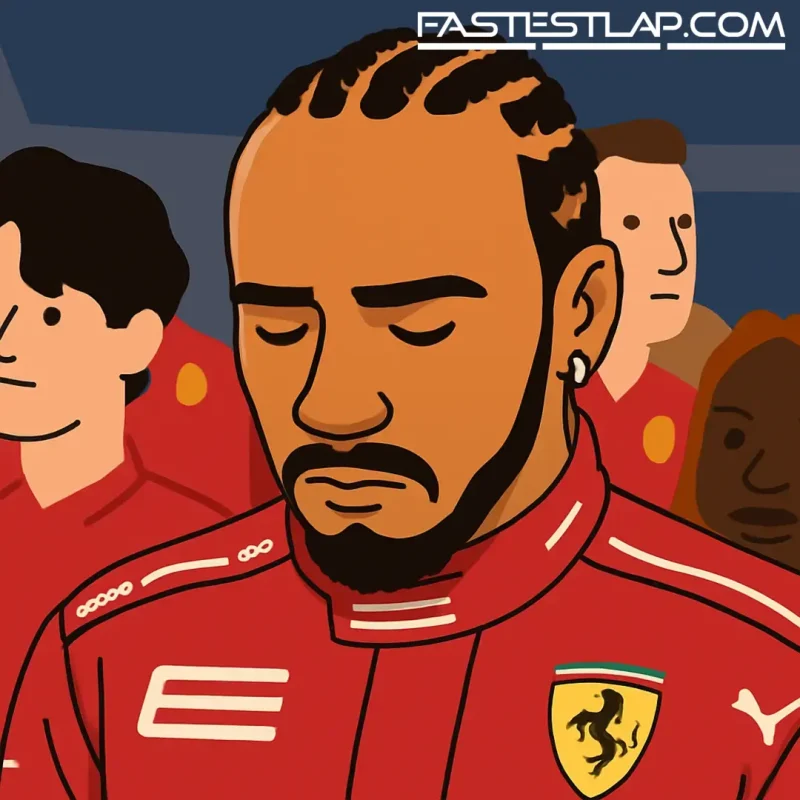
Lewis Hamilton stood by the Ferrari garage with the helmet on the workbench and the words drying up. “I don’t have the words to express how I feel,” he said after qualifying only 16th in Abu Dhabi — his fourth consecutive Q1 exit to close a relentlessly punishing debut year in red.
This wasn’t supposed to be the story. Hamilton and Ferrari was meant to be grand opera; instead it’s been a season-long grind of tiny windows and brutal margins. The seven-time champion is staring at the unthinkable: a full campaign without a podium. For a driver who’s built a career on Sunday heroics, the grid positions have left nowhere to go.
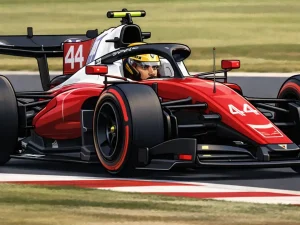
Saturday summed it up. Hamilton’s final practice was interrupted by a crash at Turn 9 — the long Yas Marina sweeper that’s been catching drivers out since the 2021 layout change. He’d already given up FP1 as Ferrari ticked off its final rookie-session requirement with Arthur Leclerc in the SF-25. By qualifying, the rhythm was broken, the margin gone, and Q1 took another bite.
“Definitely doesn’t help when you’ve missed your second run,” Hamilton said of FP3. “The car was feeling great. Just had some bottoming and then lost the back end.” Ferrari repaired the damage and sent him back out. “They saw some bouncing going in and they said that carried all the way through,” he added. As for salvaging something from P16 on Sunday? “There’s not a lot I can do from there. Same thing every weekend for me, so give it my best shot.”
It’s been a month of body blows. In Las Vegas, Hamilton became the first Ferrari driver to qualify last on pure pace since 2009. Qatar compounded the pain with two Q1 eliminations in 24 hours. Abu Dhabi had a familiar chill; every time Hamilton and the SF-25 flirt with a working window, something — wind, ride height, traffic, confidence — slams it shut.
The head-to-head with Charles Leclerc tells its own story, but you don’t need a spreadsheet to see it. Leclerc has typically found a lap when Ferrari offers one; Hamilton’s side of the garage has chased balance and predictability and too often found neither. That’s not a talent gap. It’s a team still learning a new driver’s tools and a driver trying to bend an unpredictable car to his hands with very little margin for error.
None of this means Hamilton’s lost the thread. It does mean the SF-25’s envelope has been claustrophobic and its ride compliance compromised. The Turn 9 off in FP3 was the latest example of a car that can sting when pushed beyond a tight setup window. And when you start each weekend a step behind — rookie FP1s don’t help, even if they’re mandatory — the knife edge only gets sharper.
The bigger reset comes fast. Formula 1’s 2026 regulations will flip the script with 50% electrification, sustainable fuels and active aero, and while the first proper runs with the new hardware are slated for late January in Barcelona, that won’t fix Sunday. The off-season is short; the questions are not.
Asked if the winter break will be enough to reset mentally after this bruising first year at Ferrari, Hamilton shrugged: “It’s the shortest break.” Any immediate action plan? “Not at the moment, no. I don’t have any plans for the moment.”
It’s a raw answer, and an honest one. Hamilton’s never been big on theatre when the stopwatch’s verdict is this stark. He knows there’s a difference between a slump and a structural issue, and this season has felt like both at times. Ferrari, for its part, will see the upside: absorb the pain now, cash in when the concept finally breathes. But that’s strategy-deck talk. Right now, it’s a driver walking back to the motorhome after Q1 with the cameras catching every step of a long year.
Can he save something on Sunday? He’ll try — he always does — and Yas Marina can be kind to a patient tyre whisperer. But recovery drives only go so far when the starting spot keeps landing you in the knife-fight corners of the midfield.
This partnership was built for the long game. Tonight, it feels very long indeed.