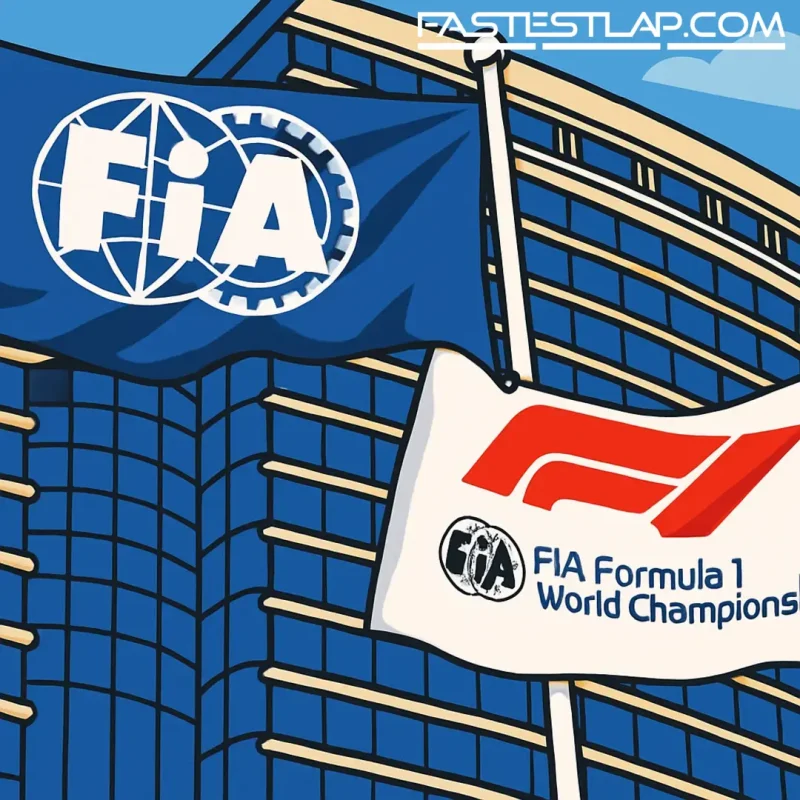
F1 and FIA seal governance half of new Concorde, locking in stability to 2030
After months of wrangling, Formula 1 and the FIA have inked the governance side of the new Concorde Agreement, completing the two-part deal that will carry the championship through to the end of 2030. All teams are signed up, and the freshly aligned decision‑making framework kicks in from the start of 2026.
The commercial section was wrapped back in March, tying down prize money distribution and the commercial rights holder’s ability to package and sell the sport around the world. The second half, agreed now, sets how the sport is run: how rules are made, who votes on what, and how the FIA deploys its resources to manage and police grands prix.
Sources close to the talks had painted a picture of firm but constructive negotiations between the FIA and Formula One Management. Whatever the sticking points were, both sides have clearly met in the middle. The governing body is understood to have secured headroom to strengthen race control, stewarding and technical oversight — the sort of back‑office muscle that fans only notice when it isn’t there.
It’s the ninth iteration of the Concorde and, crucially, it arrives at a time when F1 would rather be talking about the future than firefighting. New regulations arrive in 2026. The championship just marked its 75th year. And the grid has been pushing for clarity so investment decisions can be made with confidence.
“Today is an important day for Formula 1,” said F1 CEO Stefano Domenicali. “This Agreement ensures that Formula 1 is in the best possible position to continue to grow around the world.” He thanked FIA president Mohammed Ben Sulayem and the teams for getting it over the line, adding that the sport’s next chapter has “huge” potential.
For the FIA, the deal lands alongside a vote of confidence. At the federation’s General Assembly in Tashkent, members backed a second term for Ben Sulayem — and he sounded satisfied with the balance struck. The new framework, he said, is built on “fairness, stability, and shared ambition,” and will help modernise the FIA’s regulatory and operational capabilities, from race directors to volunteers on the ground.
What does this actually change for fans and teams? The commercial plumbing was settled first: Liberty Media/FOM, as commercial rights holder, retains the right to market the series — including broadcast rights and the use of team imagery — while teams receive prize money paid on a defined scale. Now the governance spine is set, the sport has a cleaner path to implement sporting and technical rules, and the FIA has formal backing to invest in officiating quality and consistency.
It also cools the temperature. The relationship between the rule‑makers in Paris and the promoters in London has blown hot and cold in recent years. Locking in a clear process doesn’t eliminate disagreements, but it should stop them from spilling into public view as often. In short: fewer politics on the pit wall, more predictability in the paddock.
With both halves of the Concorde in place, attention swings back to the 2026 reset. Teams know the revenue picture; they now know how the sausage will be made in terms of rule‑making and enforcement. That’s the kind of certainty the grid craves when committing to new designs, facilities and talent.
There will be time to pick through the clauses and voting thresholds, but the headline is simple enough: F1, the FIA and the teams have signed up to the same playbook. And with the clock ticking toward 2026, that’s exactly what the series needed.