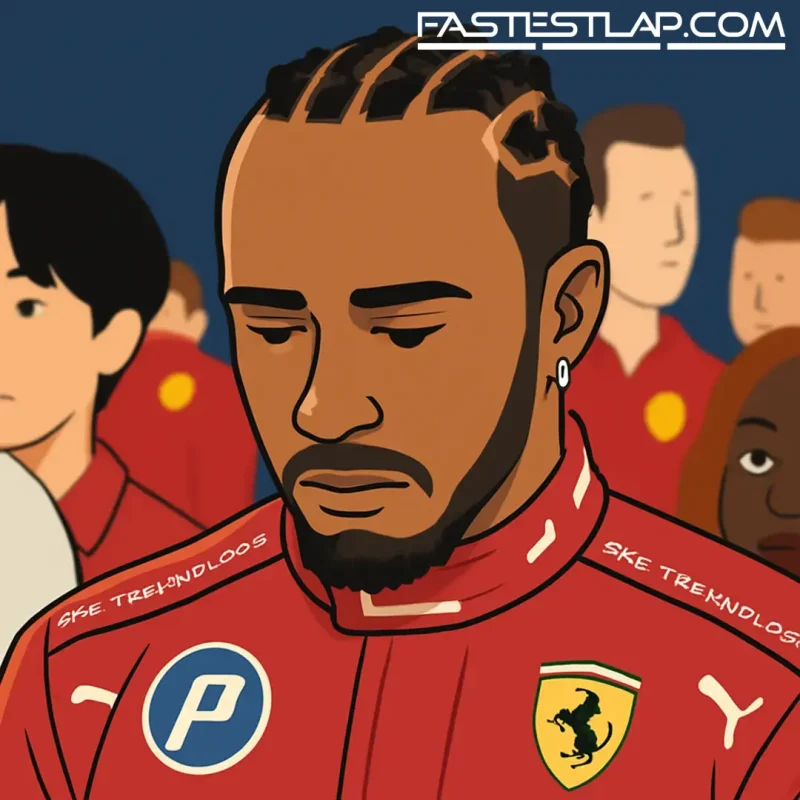
Lewis Hamilton on F1’s ground‑effect era: “the worst one” as Ferrari star eyes 2026 reset
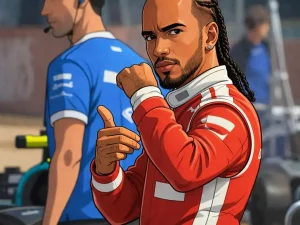
Lewis Hamilton didn’t sugarcoat it in Abu Dhabi. After a bruising first year in red, the seven-time World Champion called the current ground‑effect cycle “probably the worst” of his career and admitted he’s “praying” the 2026 regulations deliver a proper reset.
It’s the sort of candour that lands with weight when it comes from someone who’s lived through every major rules pivot of modern F1. Hamilton has seen regulation changes make and break seasons: 2009’s aero upheaval punctured McLaren’s momentum, 2014’s hybrid dawn supercharged his Mercedes era, 2017’s wider, beefier cars were “mega.” This one? Not so much.
“It’s been really interesting,” he said, before explaining how quickly the pendulum can swing when the rulebook shifts. Hamilton recounted McLaren’s misread in 2009, when the team treated the new regs as a hard 50% downforce cut — and built to that. “I remember arriving back in January and they’re like: ‘Oh, we’ve already hit our targets.’ We get to the first test and there’s no downforce at all and we’re miles off. I learned a lot through that experience.”
A decade later, the grid reset swung his way. “2014 was incredibly exciting,” he said of joining Mercedes just as the turbo-hybrids came good. Then came 2017: faster, wider, nastier-looking machinery. “It just looked beefier and more downforce. It was mega.”
This ground‑effect generation, in his words, hasn’t been. Since the 2022 overhaul, Hamilton’s results have veered sharply from the historic consistency he built through the 2010s. Even with a move to Ferrari for 2025 alongside Charles Leclerc, the 39-year-old hasn’t found a comfortable operating window often enough to change the storyline. The form book has been fickle, and Ferrari’s peaks have been too rare to steady the narrative around a driver who has defined the sport for a generation.
So the focus turns to 2026 — and with it, a note of caution. Hamilton’s been in the simulator and doesn’t pretend to know if fans will love what’s coming.
“I think it’s really, really hard to predict what it’s going to be like. I don’t want to dog it,” he said. “It feels so much different, I’m not sure you’re going to like it, but maybe I’ll be surprised and maybe it’ll be amazing. Maybe overtaking will be incredible. Maybe it’ll be easier to overtake. I don’t know.”
What he does know: the cars feel lighter on downforce and heavier on torque, the power delivery asks more of the driver, and wet-weather driving could get “very, very, very tough.” He even flagged a quirk that’ll catch the ear of purists — downshifts at the end of straights as drivers balance energy deployment and boost parameters. It’ll be different, maybe divisive, definitely demanding.
“But as I said, we might arrive and have better grip than we anticipated,” he added. “Whether you’ll like the fact that we’re downshifting at the end of straight and different boost parameters, different driving now, but it is a massive challenge for us all. And I think that’s really what sport’s about, right? Continuously challenging ourselves. If we just did the same thing all the time, then it’d be easy.”
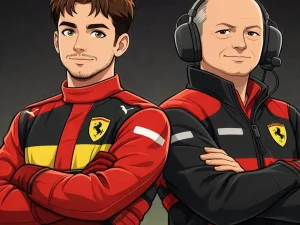
Inside Ferrari, there’s no chest-beating about what’s next. Team boss Frédéric Vasseur has been open that predicting 2026 form is close to a fool’s errand this far out — a reasonable stance given how often big resets shuffle the deck in unexpected ways. The only safe bet is that everyone’s burning the midnight oil on correlation and concept choices that will define the next era.
For Hamilton, the stakes are obvious. He doesn’t need 2026 to be easier; he needs it to be fairer — a landscape where execution counts more than aero quirks, where Ferrari’s power unit and chassis team can meet in the middle, and where a driver of his calibre isn’t wrestling compromises just to hang on to the leaders’ coattails.
Praying, in this context, isn’t desperation. It’s the blunt truth from a driver who’s ridden every wave this sport has thrown at him — and knows exactly how much a rulebook can change a career.