Zak Brown wants refuelling back after McLaren’s Vegas bruise — but does F1?
McLaren walked out of Las Vegas with two very fast cars and nothing to show for it. Both MCL39s — Lando Norris and Oscar Piastri — were thrown out after the FIA found excessive plank wear, the same technical tripwire that’s already snared Lewis Hamilton in China and Nico Hülkenberg in Bahrain this year. Charles Leclerc and Pierre Gasly, for good measure, were pinged for running under the 800kg minimum weight in Shanghai. Tight margins are deciding big results.
Zak Brown’s answer? More variables. Specifically, a return to in-race refuelling.
“I think if we got back into refuelling, it would be cool,” the McLaren CEO told talkSPORT while promoting his new book, Seven Tenths Of A Second. “That would make pit stops, add another dimension to it, but also add a big strategic dimension. If you got into refuelling, weight makes such a difference. Do you run heavy at the start and go long? Do you run light to get a better start? It would add a lot of dimensions to the strategy that I think would be fascinating.”
Brown’s pitch arrives against a very 2025 backdrop: the sport’s technical police are absolute, and they’re busy. The skid plank rule is simple enough in print and brutal in practice. The plank assembly is 10mm thick when new, plus or minus 0.2mm, and must not be under 9mm when the car is checked post-race. Scrutineers measure at pre-drilled holes with specialised gauges. Drop the car too low, ride the kerbs a touch too hard, and you’re inviting a long evening with the stewards.
Would refuelling have saved McLaren in Vegas? Not necessarily. But it would change the way teams think about ride height and tyre life over a stint. Fuel load is weight; weight influences how low you dare set the car. Give engineers the ability to swing that variable across a race and you’ve got a new game of trade-offs: start heavy and protect track position, or start light and risk an extra stop to maximise clean-air pace. More choices, more traps, more drama — and, yes, more opportunities to fail post-race checks if you misjudge it.
That’s the enticement. The baggage is familiar. Refuelling last sat on an F1 grid from 1994 to 2009, before the FIA banned it for 2010 on safety and cost grounds. The era had its own theatre — fuel rigs, lollipop men, and strategy that could win or sink a race before anyone overtook on track — but also some hairy moments. Felipe Massa’s Singapore 2008 hose-drag remains the cautionary clip. Even with modern tech, high-pressure fuel systems and split-second choreography leave little room for error under live fire.
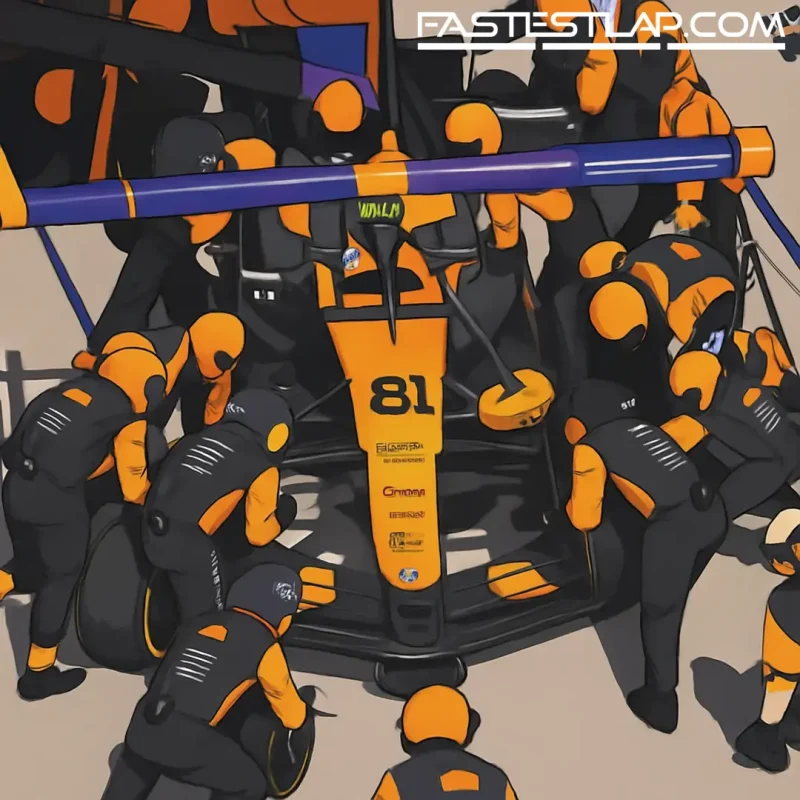
There’s also a philosophical question. F1’s current identity is built around tyre management, staggering out-laps, undercuts and overcuts, and pit crews performing sub-two-second ballets. Adding fuel back into the mix would transform all of that. It would likely lengthen stops, shift the emphasis back toward fuel windows, and increase the engineering workload at a time when the sport is trying (with varying success) to control costs and simplify the rulebook before the 2026 reset.
Brown, of course, knows exactly what he’s doing. Team bosses don’t advocate for complexity unless they think they can win in it. McLaren’s pit crew has been razor sharp and its race wall increasingly assertive; put more levers on the pit stand and Woking will fancy its chances. And after the sting of a double disqualification, it’s not hard to see why he’s nudging the debate toward areas that play to McLaren’s current strengths.
But the plank saga is a reminder that F1’s tolerance stack is thinner than ever. If anything, the lesson from Las Vegas is the same one the paddock learned — and forgot, and learned again — across this campaign: aggressive setups are fast until they aren’t, kerbs don’t care about spreadsheets, and the FIA’s holes in the floor aren’t suggestions.
Refuelling will divide the grid. Drivers tend to love the idea of lighter cars. Engineers love the extra parameters. The FIA looks at the risk register and the budget cap. Fans are split between wanting more strategic chaos and craving on-track passes decided by bravery, not brim size. As F1 inches toward another rules era, don’t be surprised if the idea keeps resurfacing.
Whether the fuel rigs ever come back, Brown has reignited a classic paddock argument. And for now, that might be the point: move the conversation from the bottom of the car to what teams can do on top of it.