F1’s next era is already knocking: inside the 2026 reset, the bets, and the big reveal
It’s mid-winter on the calendar, but the sport’s already leaned into 2026 like it’s lights out next week. Formula One Management and the FIA dropped a fresh batch of detail and visuals for the new regs, and while the noise level was high, a few things cut through: new tools for racing, new shapes to stare at, and some big teams showing their hands on how they’re playing the transition.
First, the language of the future. “Overtake Mode” and “Boost Mode” are the headliners for 2026, with the former acting as DRS’s spiritual successor and the latter as a push-to-pass-style battery hit you can fire pretty much anywhere. Overtake Mode will be limited to defined zones and only when you’re inside a one-second window of the car ahead, but it should – in theory – hand the chasing driver more agency than cracking open a flap and hoping for the best. Boost Mode’s the broader weapon: a driver-controlled energy dump to attack, defend or tidy up an out-lap. The other big assist will be “Active Aero,” with both front and rear wings allowed to move to pre-set angles to trim drag on the straights or pile on load for the twisty bits. All of it points to more flexible cars and, if they get it right, cleaner fights.
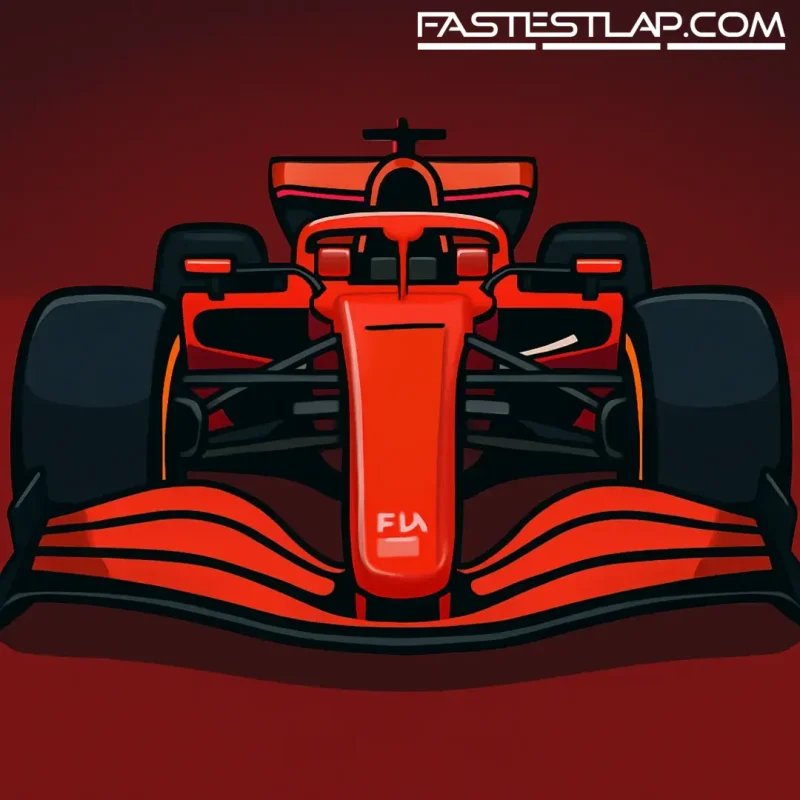
To help us picture it, FOM and the FIA pushed out a suite of high-res renders. They’re concept images, sure, but they show leaner, sleeker silhouettes with tidier bodywork and those active elements baked in. It’s the best look yet at the philosophy behind the rules. Expect the usual launch-season game of spot-the-differences when the real cars arrive; teams will cling to their own interpretations like state secrets. For now, it’s a clear statement: efficiency, adaptability, and less dirty air are the pillars.
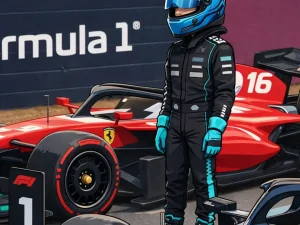
Mercedes, never shy about staging a moment, took a victory lap for the turbo-hybrid chapter that’s just closed. At Brixworth, they rolled out a museum’s worth of power units – a physical line of the engines that defined an era in which they won at least one title in 10 of 12 seasons. Then came the party trick: reserve driver Frederik Vesti lighting up the tarmac in the 2014 W05 and this year’s W16 to bookend a period they all but owned. You don’t often see title-winning hardware lined up like family portraits; the messaging was obvious. A chapter ends, the next one’s already humming on the dynos.
At McLaren, the talk is less nostalgia and more calculated risk. The team eased off its 2025 upgrade push sooner than its main rivals, funneling resource toward 2026. It’s a gamble in a championship fight that still matters today, but one the engineers are backing.
“We were looking for milliseconds,” explained engineering technical director Neil Houldey in Abu Dhabi. “Thirty milliseconds was a good upgrade at that point, the whole car was going to give us 0.1 of a second. So when you get to that sort of level, and you’re gaining that sort of time in weeks developing the ’26 car, it was clear for us at the time.”
He knows others kept their foot down through the autumn. “Certainly, Red Bull have made some great gains towards the end of the year. I still think we’ve made the right decision, and when we go into 2026, hopefully that’ll be proven correct.”
That’s the fork in the road a lot of teams have faced: polish the present or jump early to the reset. McLaren’s gone with the latter. If they come out of the box strong next year, we’ll call it brave. If they don’t, it’ll look like a missed shot at 2025 momentum. That’s the tension all over the grid.
As for Haas, the headlines about Toyota’s return lit up a few imaginations. Reality’s more grounded, for now. Toyota Gazoo Racing will step in as title sponsor from next season, but team principal Ayao Komatsu was keen to snuff out the “instant works team” narrative before it gets out of hand.
“Toyota’s objective is not really branding; Toyota’s objective is to make us competitive, grow people, and make this team competitive together,” Komatsu said. “It’s been a long-term collaboration from the beginning anyway… it’s exactly going the same direction, but it’s really nice that now we’ve got this title partnership.”
Read that as resource and structure, not an overnight identity change. If it accelerates Haas’s climb, the label won’t matter.
Back at the rulebook, the blend of Overtake Mode, Boost Mode and Active Aero suggests 2026 will reward craft as much as brute pace. Energy deployment strategies will become racecraft in themselves. Do you burn battery early to break DRS—sorry, Overtake Mode—range? Save it to defend a last-lap lunge? Time the aero settings to slingshot off a corner or carry more commitment through a fast sweeper? The drivers who can manage those layers without tripping over the system maps will be the ones turning regulation theory into results.
The renders are pretty, the terminology is shiny, and the dynos are busy. The real test comes when the stopwatch gets involved. For now, F1’s next spec looks like it’s trying to give the drivers the tools to fight and the engineers the freedom to chase efficiency from new angles. If that balance lands, 2026 might actually deliver on the promise that every reset tries to sell.
Off-season? Only on paper.