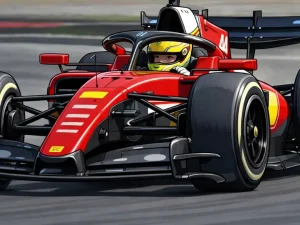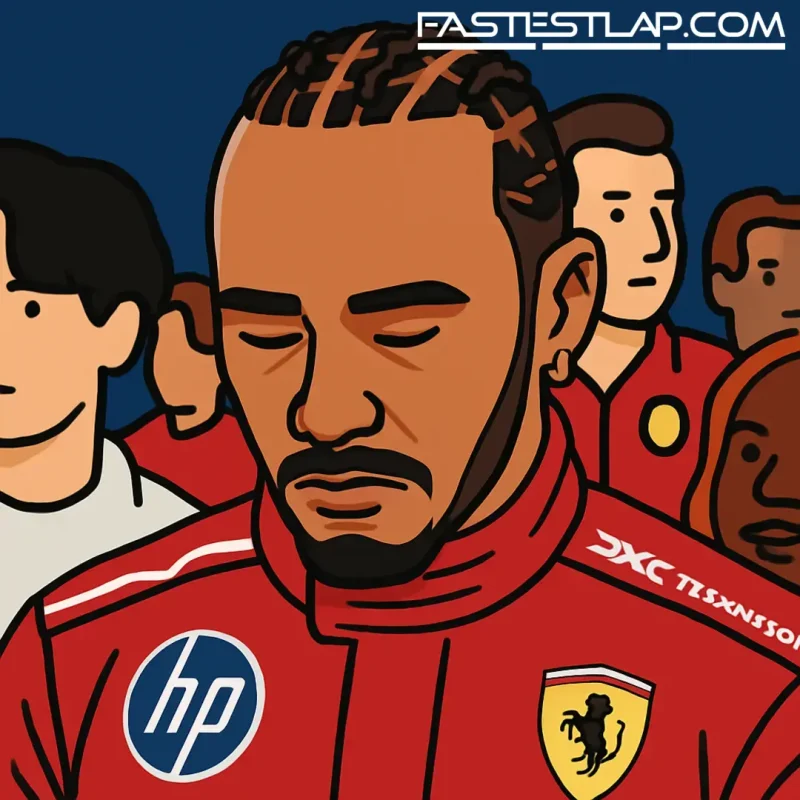
Lewis Hamilton didn’t flinch as Ferrari pulled the plug on its 2025 car mid-season. He asked for it.
Speaking after the Abu Dhabi finale, the seven-time champion admitted the SF-25’s slide was sharper than anyone at Maranello forecast, but insisted the early pivot to 2026 was the only play on the board. No podiums across a full campaign for the first time in his F1 career will sting, sure, yet Hamilton’s stance hasn’t changed: better to take the pain now than be late to the biggest rule reset in a decade.
“It didn’t have a psychological effect on me,” he said. “Did I know at the end of the year we’d be where we are? No. We anticipated it, but it felt worse, naturally. But I was the one pushing for it… We can’t fall behind the others in terms of that development for the new car.”
Ferrari officially wound down SF-25 development in April, pivoting resources toward next year’s clean-sheet regulations with their all-new chassis and power unit package. The gamble was visible on Sundays. The car never won a Grand Prix. Charles Leclerc bagged all seven of the team’s 2025 podiums, while Hamilton’s only taste of silverware came in the China Sprint — hardly consolation for a driver wired for title fights.
The second half told the story in hard numbers. Post-summer, Leclerc added just two podiums as the SF-25 lost touch with a development race Ferrari had deliberately stepped away from. Hamilton, meanwhile, wrestled a car that hovered outside the envelope on balance and tyre life too often to threaten the leaders.
Still, he isn’t second-guessing the call. “I supported it 100 percent,” Hamilton said. “I still think it was the right decision, particularly with where we were already with the car. We weren’t fighting for a championship.”
If you’re looking for a player-manager vibe in this new Ferrari dynamic, you can find it in the way Hamilton talks about the next steps. The work, he says, is already rolling. While F1 2026 looms as a wholesale reboot, the timelines are compact and unforgiving.
“It already really starts next week,” he noted in Abu Dhabi. “We’ve already been working in the background on 2026 over several months. Next week I’ll be in the sim working on the next car. Obviously we’re doing the post-season test, which is on the next season’s tyres, and training will be before Christmas already. The break is the shortest we’ve ever had.”
F1’s winter will be anything but quiet. Teams head to a private shakedown at the Circuit de Barcelona-Catalunya from 26–30 January before two open tests in Bahrain, slated for 11–13 and 18–20 February. Ferrari needs those days to land a fundamentally different concept in a competitive window from lap one. That’s what this entire year was sacrificed for.
Leclerc and Hamilton will lead that charge again, and the pairing remains an intriguing study. Leclerc has been the points anchor; Hamilton, the long-view strategist who’s clearly invested in the 2026 project. Internally, the mood’s been steadier than you’d expect after a lean season. “Everyone’s stayed really positive, in my experience,” Hamilton said. “I’ve not seen a psychological impact.”
None of this guarantees a fairytale turnaround. New rules can elevate or expose, and Ferrari knows as well as anyone how easy it is to miss on a ground-up car. But there’s method in this winter’s urgency. You don’t hire Hamilton for incremental gains; you hire him to build a title window. That construction started months ago, and it’s about to hit full throttle.
So yes, the numbers on the 2025 page won’t make pleasant reading in Maranello. No wins on Sundays, a handful of podiums via Leclerc, and a star signing learning the edges of a tricky car. But the real judgment comes next year, when the reset button finally gets pressed. Hamilton’s made his bet. Now Ferrari has to cash it.