Helmut Marko on Red Bull’s Ford leap: “A new way” as the 2026 reset looms
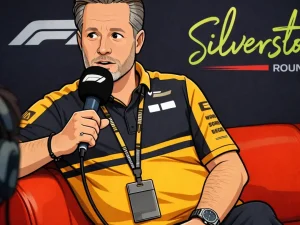
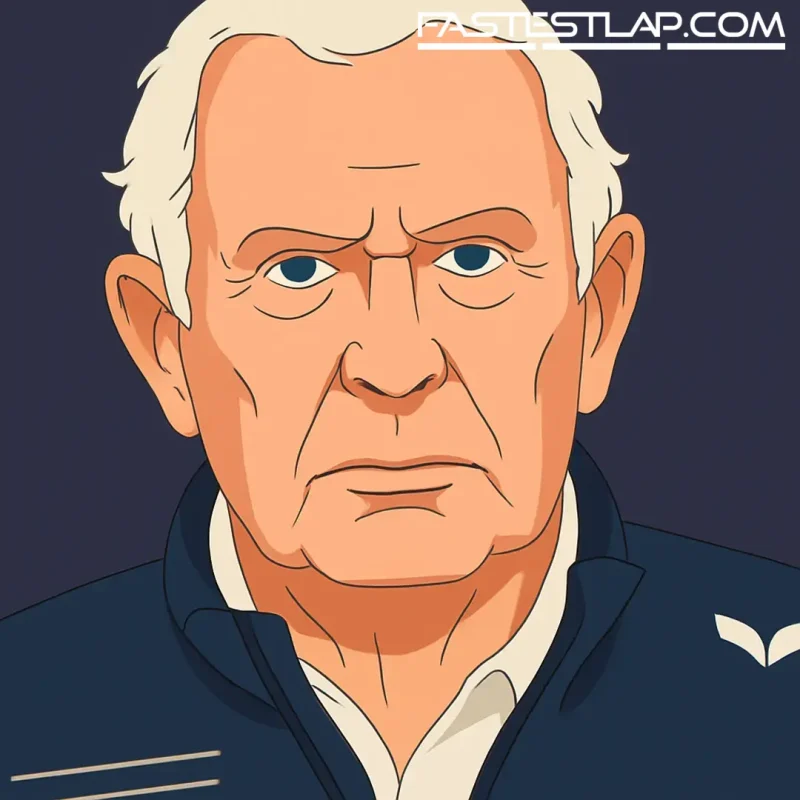
Helmut Marko stood in the Monza sunshine looking relaxed, a man already half out the door and yet still very much part of the Red Bull story. The veteran adviser will step down at the end of 2025, but he’s watched enough cycles to know when a pivot becomes a defining chapter. And Red Bull’s next one, powered by an engine bearing a blue oval, is exactly that.
“It’s, I would say, a new way for Red Bull Racing — to make its own engine,” Marko said, reflecting on a move that was less choice than necessity at the start. “We were forced to do that when Honda stopped. One year later, they decided, no, they keep going. But that was too late. We had already invested. And also our combustion engine at that time was running.”
That twist of fate — Honda’s initial exit, then its U‑turn — set Red Bull on a path to build from within. Red Bull Powertrains rose in Milton Keynes. Then came the call to Ford. What began as a damage‑limitation exercise has turned into a bold statement: Red Bull-Ford will put a fresh badge on the back of the world champions’ chassis when F1 flips to its 2026 rulebook.
And that book is no light read. The cars get smaller and lighter. Active aerodynamics arrive, designed to balance straight-line efficiency and cornering load without the crutch of DRS, which is due to bow out after 2025. Under the engine cover, the split between electrical and combustion power goes to a clean 50/50, the latter fed by fully sustainable fuel. It’s a wider reset than 2014, only this time Red Bull is not shopping for a partner — it is the partner.
For a team that won four Drivers’ titles with Max Verstappen and two Constructors’ crowns with Honda power, breaking up a successful marriage is no small risk. But Red Bull never did thrive on safe bets. The Ford partnership brings brand heft and resources; the rest will be down to execution and how quickly Red Bull-Ford can hit the sweet spot between performance and driveability from day one.
The early noises are promising — literally. Verstappen, who’s heard the new unit singing on the dyno, offered the kind of review that says plenty without saying too much. “It sounded good. Of course, you hear it on a dyno, but it sounded, like, crisp,” he said on the team’s podcast. “I mean, I’m not sure they actually develop on the noise, but it made a good noise. I mean, it’s not a V10.”
No one expects V10 romance from a 2026 power unit, but Red Bull will want punch, efficiency and reliability — fast. They won’t be alone in the arms race. Mercedes and Ferrari are pushing hard, Honda will rejoin as Aston Martin’s supplier from 2026, and Audi’s works programme adds an extra layer of intrigue. Five manufacturers, one fresh formula, and a grid that’s been squeezed so tight by 2025 that any early misstep in the next era could be punished for seasons.
For Marko, this is the right handover point. He helped steer Red Bull through the most dominant run of the hybrid era. Now he leaves the keys to a team that’s deliberately taken on the most complicated bit of the car. The risk is obvious; the upside, if they nail it, is historic.
Red Bull has long thrived on owning its destiny — from its aerodynamics empire to a relentless driver programme that, for better or worse, keeps the pipeline bristling. Building a power unit with Ford is the final frontier. If they pull it off under the most radical regulations in a decade, the next chapter won’t just be a new way. It’ll be an era.