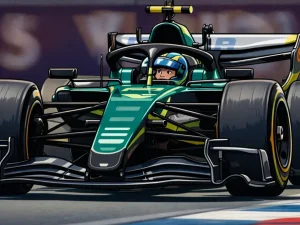
Lance Stroll says Aston Martin still lacks “all the tools to be a top team” as the outfit pushes toward the AMR26 and the dawn of its Honda era — a reality check that neatly echoes new team principal Adrian Newey’s diagnosis from last season.
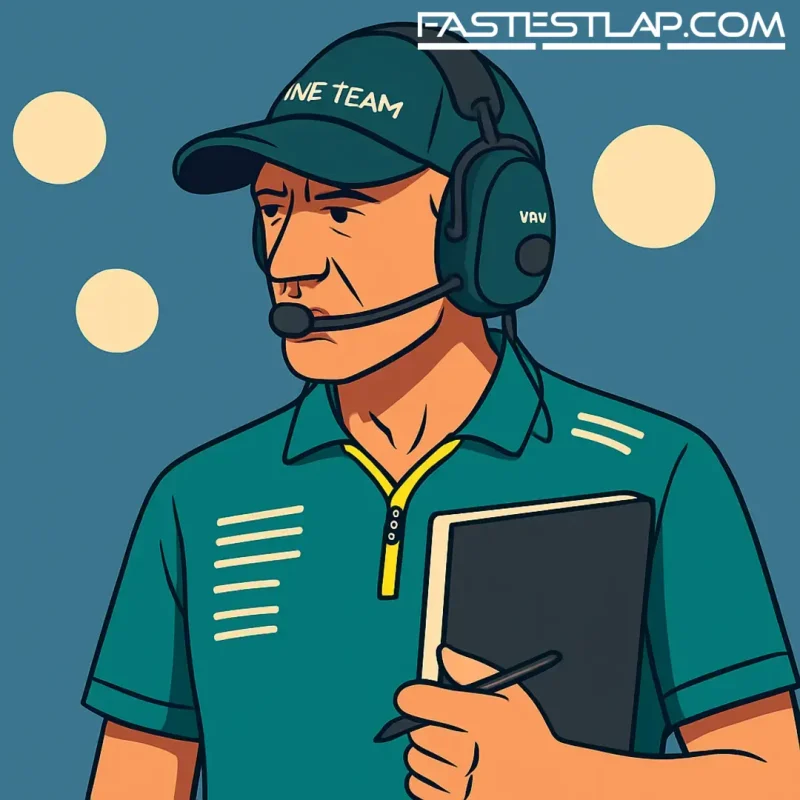
Newey, who arrived from Red Bull with his famous notebook and an even more famous reputation, didn’t sugar-coat things when he called Aston Martin’s simulation capability “weak” in Monaco last year. In an age where driver-in-the-loop work is a lifeline for development under tight testing limits, that stung. The response was swift: the team brought in respected simulation specialist Giles Wood and later tapped ex-Ferrari guru Marco Fainello on a consultancy basis. It’s a start, but it’s not a silver bullet.
Stroll, who continues alongside Fernando Alonso in 2025 per the championship entry, isn’t pretending otherwise. Asked where Aston might land when the all-new power unit and aero rules arrive, he didn’t offer predictions so much as perspective. It’s a “big question mark,” he said, and while the team is excited about the new structure, people and direction, “we don’t have all the tools to be a top team, so there’s no hiding behind that.”
The headline expectations are obvious. 2026 brings 50 percent electrification, fully sustainable fuels and active aerodynamics — the sort of landscape Newey tends to thrive in. Add Honda power to the mix and the ceiling looks high. But the floor is set by infrastructure, and Aston Martin has spent much of the last 18 months racing to build the foundations to match its ambitions.
Newey’s presence has, inevitably, changed the mood. Stroll frames it as healthy pressure — performance-first, no fluff. “Adrian is just all about performance and winning,” he said. “Having Adrian around is only positive for everyone to push, everyone to be better and to make the car faster.” There’s also the Alonso factor: the two heavyweights have been in close concert since Newey’s first outings with the team last season, and a clear technical-driver feedback loop is forming around the car’s needs.
On the power unit side, Honda gave the paddock its first proper glimpse of the 2026 engine architecture with images and a short video clip shown at the Tokyo Auto Salon. The manufacturer will stage a dedicated launch in Tokyo on January 20 — unusual timing, but in line with Honda’s methodical drumbeat as it re-enters as a works partner.
Koji Watanabe, president of Honda Racing Corporation, was candid this week: “Not everything is going well,” he admitted, before stressing there’s “nothing fatal” in development that can’t be solved. The focus, he said, remains on performance and reliability — and crucially, on aligning the power unit’s characteristics with the car Newey wants to build. “If doing so increases our competitiveness and makes us more likely to win, then we’ll do whatever it takes.”
Aston Martin’s launch window is locked: the AMR26 breaks cover on February 9, following Honda’s engine event and ahead of the first test in Barcelona, which will be run behind closed doors. Two Bahrain tests follow. Between now and then, the job is as old as racing: turn potential into pace.
There’s an honesty to Aston Martin’s stance that’s refreshing in a sport that loves to whisper about “big steps” every winter. The money’s been spent, the hires have been made, and the wind tunnel hours are being put to work — but Newey’s early critique was a reminder that top teams aren’t built on slogans. They’re built on tools, processes and relentless iteration.
So yes, the ingredients look promising. A legendary designer with the rulebook flipping over. A veteran race-winner who can steer development. A factory finally taking shape. And Honda, hungry to prove its title-winning pedigree translates to a new hybrid formula. But as Stroll put it, time will tell. The grid’s reset doesn’t guarantee a reshuffle at the front; it just opens the door for the teams best equipped to walk through it.
Aston Martin believes it can be one of them. Now comes the hard part — proving it.