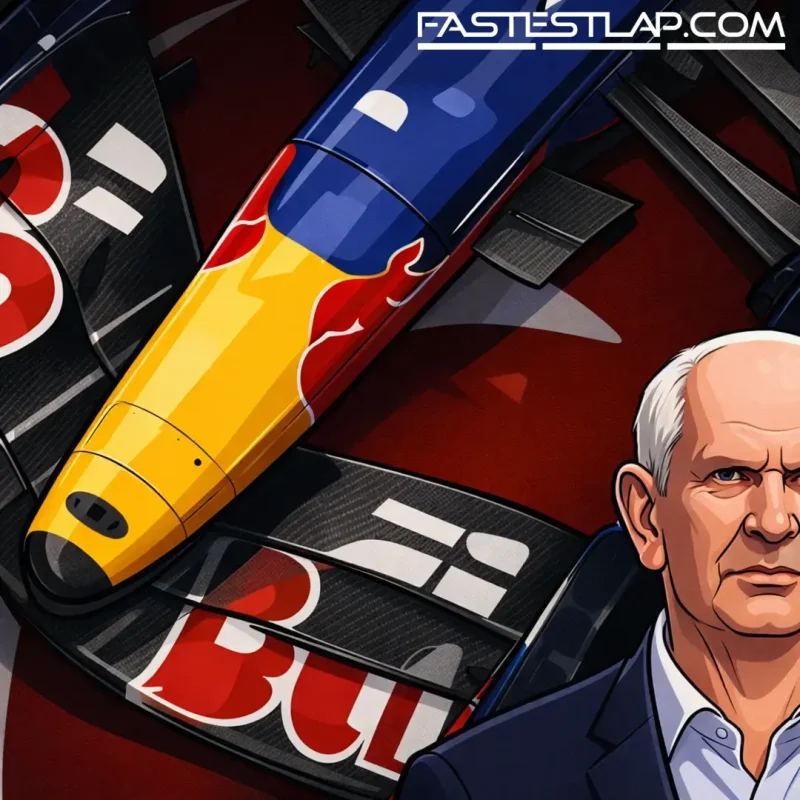
Helmut Marko stirs the pot: ‘Mercedes power’ will decide 2026 — and maybe even Williams
Helmut Marko has never needed a microphone to be heard in Formula 1. And with the sport on the brink of its biggest reset since 2014, the long-time Red Bull powerbroker believes the first year of the new rules will belong to those with a three-pointed star under the engine cover.
“I’m afraid it’ll be someone with a Mercedes engine,” he told Austrian broadcaster ORF, predicting a sharp spread in performance as the 2026 regulations land. He even floated Williams as a dark horse, adding to the sense that next season could spit out a surprise.
Marko’s logic is simple, and it’s hard to argue with the history lesson. The last time F1 tore up the power unit playbook, Mercedes leapt so far ahead it took years for the field to close up. The 2026 reset — with 50/50 ICE-to-electric power, CO2-neutral fuel and software becoming as decisive as hardware — is exactly the sort of technical fork in the road that can create chasms. “Last year the field was closer than ever,” Marko said. “I think it will open up again. And drastically.”
If Mercedes nails the new formula first, the ripple effect could be brutal. Factory Mercedes would be obvious contenders with George Russell, who, as Marko noted, “has to implement it now” if he’s going to fight for a title. But the net would also fall over customer teams. McLaren remains Mercedes-powered, putting Lando Norris squarely in Marko’s sights; Williams, too, has been talked up in the paddock for months, with whispers of solid progress behind the scenes.
The comments also land in a delicate moment for Red Bull. The Milton Keynes outfit is embarking on its first season with an in-house-built power unit — Red Bull Powertrains with technical input from Ford — bolted to the RB22. Team principal Laurent Mekies didn’t sugarcoat the timeline during Red Bull’s Detroit livery launch, warning the first months could be bumpy. “We’re not naïve,” he said. “We’ll go through the struggle and eventually come out on top. Bear with us in the first few months.”
That’s a pragmatic message for a team used to setting the pace, and it threads neatly into Marko’s broader theme: driver influence will matter a touch more while engineers chase maturity in the new era. He still believes Max Verstappen’s blend of speed and game-management will be a weapon — “he can drive fast and think at the same time,” as Marko put it — and he even flagged Fernando Alonso as a veteran primed to exploit chaos. But he’s not backing Verstappen to wrench the crown back immediately, not if Mercedes’ architecture lights up early.
It’s also worth clocking the calendar. Before the talking stops, the cars will sneak out for a behind-closed-doors shakedown in Barcelona on January 26. Then Bahrain hosts the first open test from February 11–13, with a second run from February 18–20. After that, it’s straight into the real thing, with Australia opening the 2026 season in March.
All of this adds a tantalizing layer to an already spiky competitive picture. If Mercedes hits the software integration — the energy deployment, the harvesting maps, the way the battery and engine talk to each other — then Russell is staring at a career window. If McLaren carries its momentum and executes around Norris, they’ll smell blood. And if Williams really has found a step, the midfield could be flipped on its head in year one of the new rules.
Red Bull, for its part, knows exactly what it signed up for: a short-term climb for long-term control. If that means taking a few punches early, they’ll take them. But Marko has set the stakes with familiar bluntness. In 2026, he expects the team with the best Mercedes engine — not necessarily the best badge — to write the story.