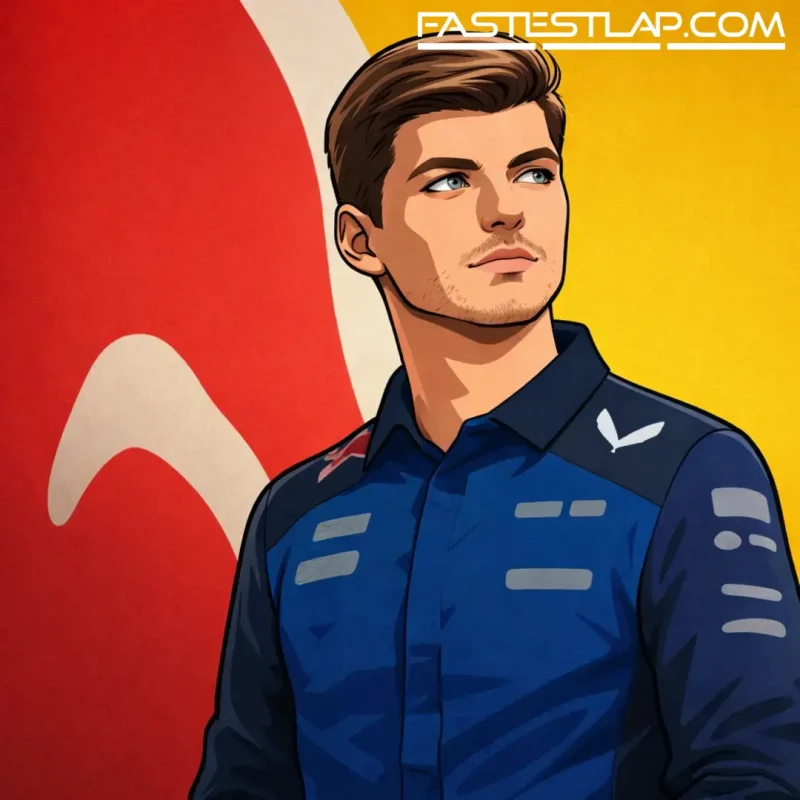
2026 F1 salaries: Verstappen’s bonus machine still outpaces Hamilton’s big Ferrari retainer
Max Verstappen and Lewis Hamilton continue to set the market in Formula 1’s money league, with a familiar split at the top: Hamilton believed to have the sport’s fattest base salary at Ferrari, and Verstappen’s bonus-laden Red Bull deal pushing him ahead overall.
Forbes once again pegged Verstappen and Hamilton as F1’s two highest earners in 2025, and the reported 2026 numbers keep that story intact. Verstappen’s take-home is driven by performance clauses and championship premiums; Hamilton’s Ferrari contract is understood to be the largest guaranteed paycheck on the grid.
The other shock to the system? McLaren. Back-to-back Constructors’ titles and a drivers’ crown for Lando Norris in 2025 have turned Woking into a bonus factory, with Norris and Oscar Piastri vaulting up the earnings table through performance payouts. Norris’ reported base remains comparatively modest, but his bonus haul is anything but.
A reminder: driver pay remains outside the cost cap, so teams are free to spend big on star power. And away from team deals, the most marketable names stack more income with personal sponsors and brand partnerships.
Reported 2026 driver earnings (team, total; breakdown where available)
– Max Verstappen, Red Bull: $76m ($65m salary + $11m bonuses)
– Lewis Hamilton, Ferrari: $70.5m ($70m + $0.5m bonuses)
– Lando Norris, McLaren: $57.5m ($18m salary + $39.5m bonuses)
– Oscar Piastri, McLaren: $37.5m ($10m salary + $27.5m bonuses)
– Charles Leclerc, Ferrari: $30m
– Fernando Alonso, Aston Martin: $26.5m ($24m salary + $2.5m bonuses)
– George Russell, Mercedes: $26m ($15m salary + $11m bonuses)
– Lance Stroll, Aston Martin: $13.5m ($12m salary + $1.5m bonuses)
– Carlos Sainz, Williams: $13m ($10m salary + $3m bonuses)
– Kimi Antonelli, Mercedes: $12.5m ($5m salary + $7.5m bonuses)
– Pierre Gasly, Alpine: $12m
– Alex Albon, Williams: $8m
– Nico Hülkenberg, Audi: $7m
– Esteban Ocon, Haas: $6m
– Isack Hadjar, Red Bull: $5m
– Valtteri Bottas, Cadillac: $5m
– Sergio Pérez, Cadillac: $5m
– Franco Colapinto, Alpine: £3m
– Liam Lawson, Racing Bulls: $3m
– Oliver Bearman, Haas: $2m
– Gabriel Bortoleto, Audi: $2m
– Arvid Lindblad, Racing Bulls: $0.5m–$1m
A few takeaways from the numbers:
– Verstappen vs. Hamilton, part… we’ve lost count: Hamilton’s reported Ferrari base (around $70m) leads the field, but Verstappen’s contract continues to reward wins and titles so aggressively that he stays No.1 overall.
– McLaren’s incentive culture is doing exactly what it says on the tin. Norris and Piastri are the grid’s bonus kings on the back of the team’s title run and Norris’ championship success last year.
– Ferrari’s total spend across its two drivers is thought to be the highest combined outlay, with McLaren, Mercedes, Aston Martin and Red Bull close behind.
– Rookie reality: newcomers typically start lower. Arvid Lindblad is understood to be among the lowest-paid for 2026. On the flip side, Kimi Antonelli reportedly crashed the top-10 in 2025 thanks to hefty rookie-year bonuses at Mercedes, underlining how quickly on-track results can change the math.
Why it matters in 2026
This is the year teams juggle sweeping regulation changes with the politics of driver retention. Because salaries and the top three non‑driver earners sit outside the budget cap, the heavyweights can keep paying for certainty while funnelling capped spend into car development. It’s why established winners remain so valuable: performance clauses are only scary if you actually have to pay them, and the best teams tend to do just that.
Caveats, as always
Teams don’t publish pay packets, so treat these as informed estimates and reported figures, not audited accounts. Personal endorsements and appearance fees can further tilt the leaderboard behind the scenes.
Context on 2025
As Forbes highlighted, Verstappen and Hamilton led the earnings race last season, with Norris and Piastri’s numbers ballooning via McLaren’s success. For standings, results and the competitive picture leading into 2026, refer to the 2025 Formula One World Championship page on Wikipedia, which remains the anchor for confirmed stats and outcomes.
Bottom line
The chequebooks say what the grid already knows: proven winners still command the market, McLaren’s bonus structure is a rocket booster, and the next wave—Antonelli, Bearman, Bortoleto, Lindblad—has to earn its way up the payscale the old‑fashioned way: points, podiums, and patience.