Johnny Herbert’s caution to Verstappen: resets don’t care about résumés
Max Verstappen has made the ground‑effect era look routine: titles, wins, and an aura of inevitability on Sundays. But Johnny Herbert’s reminder this week cuts through the noise — new rules don’t always love old habits. Not even for the benchmark.
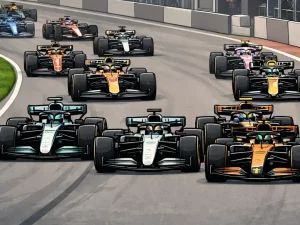
With F1’s 2026 regulations ushering in shorter, lighter cars, active aero and a far more electric power unit philosophy, the sport is bracing for a hard reset. The Drag Reduction System is slated to make way for an ‘overtake’ mode that rewards proximity with a power bump, while a driver‑activated ‘boost’ should add fresh attack/defend dynamics. The engine split moves towards a 50/50 balance between the ICE and electric systems, and energy management becomes the weekend’s second qualifying lap, every lap.
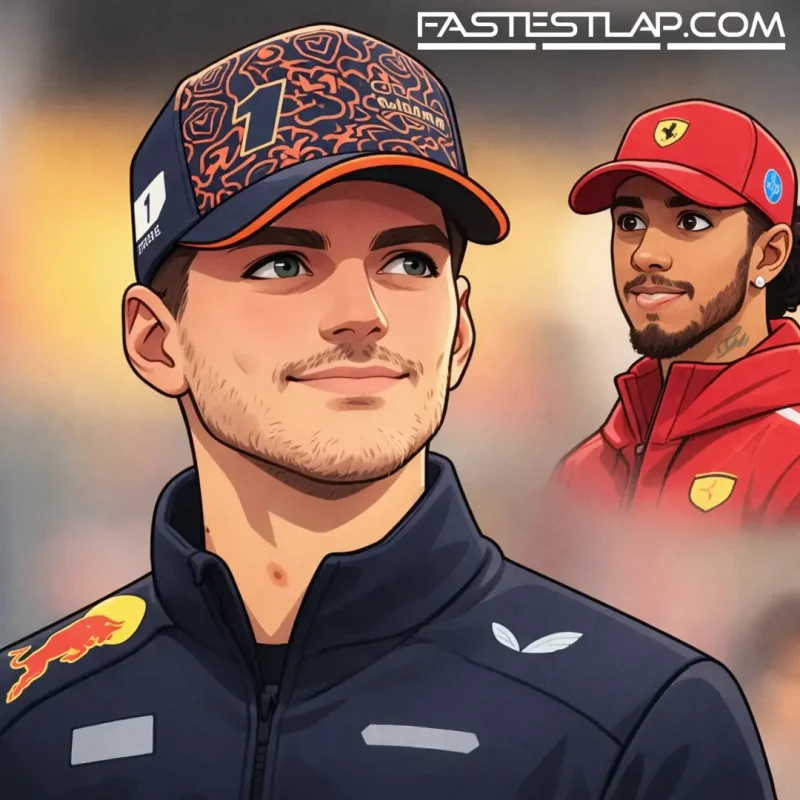
That’s where Herbert’s point lands. Some drivers thrive when the reference points shift; others don’t click with the car, the ride, the way the rear talks to them under recovery, or how the front loads with active aero changing states. We’ve seen it before. The last big upheaval in 2022 clipped Lewis Hamilton’s wings at Mercedes, at least relative to his title‑winning pomp — a stark illustration that greatness doesn’t guarantee instant harmony with a new formula. Hamilton’s move to Ferrari for 2025 underlines that very pursuit: the hunt for a package that fits.
“Max is only human,” Herbert cautioned in comments that will have resonated in more than one simulator bay. His thrust: even the best can be caught out if a new car doesn’t suit their style, or if the team’s initial interpretation simply misses the sweet spot. The first run of 2026 is going to be as much about adaptability as it is about downforce and kilowatts.
That last word matters. The new cars will ask drivers to thread the needle between harvesting and deploying without strangling lap time — a more nuanced dance than mashing an ‘overtake’ button on the straight. Team bosses have already flagged that the champions of 2026 will be the ones who can think their way through energy windows at 300 km/h while still hitting apexes like metronomes. Verstappen’s in‑lap problem‑solving and relentless pace management would seem tailor‑made for that world. So too Hamilton’s racecraft and mechanical sympathy. But the “seems” is where championships are won and lost.
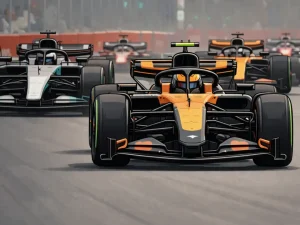
Herbert floated Lando Norris as a potential winner of the reset, and that’s not left‑field. Norris has grown into a complete operator, especially across the last two seasons, and his feel on corner entry combined with McLaren’s recent aero momentum makes for a tantalising 2026 prospect. It’s not just about outright speed; it’s who adapts fastest to new braking traces, revised lift‑and‑coast targets, battery state strategies, and the strange rhythm of active aero swapping the car’s attitude mid‑corner.
And then there’s the packaging roulette. The 2026 cars are due to shrink and shed mass. That changes everything from cockpit ergonomics to sightlines and weight distribution. If a driver doesn’t love the way the nose bites or can’t live with how the rear steps when the MGU‑K harvest wakes up, performance bleeds away in tenths, not thousandths. Some will get the car they’ve always wanted. Others will be searching.
Zoom out, and Verstappen’s camp won’t be losing sleep. His adaptability has been a career constant, and Red Bull’s track record at major rule pivots speaks for itself. But F1 history is full of dynasties that stumbled when the book was rewritten. The only certainty is uncertainty — and for a sport that often looks preordained, that’s compelling.
What we can say with confidence: the opening months of 2026 will feel chaotic. Pace swings, surprise winners, Thursday briefings that sound like an electrical engineering lecture. The drivers who keep their heads while the software, strategy, and setups are still finding each other will write the season’s early chapters.
If you’re Verstappen, you back your talent and your team. If you’re Hamilton, you eye a new frontier at Ferrari and smell opportunity. If you’re Norris, you sense a door opening. And if you’re the rest, you prepare for the most honest question F1 can ask: can you learn faster than the guy in the next garage?
Reset seasons don’t care what you did last time. They care what you can do next.