South Africa’s latest push to bring Formula 1 back to the continent has run into the bit that always decides these stories: reality.
Gayton McKenzie, the country’s Minister of Sport, Arts and Culture, has conceded that a grand prix in 2027 isn’t happening. Not “unlikely” or “difficult” — just not on. After years of increasingly confident talk around a return, he’s now admitted the bid team underestimated what it actually takes to stage an F1 weekend, even with Formula One Management offering guidance along the way.
“Next year, definitely not,” McKenzie told ENCA. The tone has shifted from political bravado to a more familiar posture in F1 hosting talks: regroup, bring in specialists, and come back with a package that’s commercially credible. McKenzie insists he’s not walking away, promising a fresh proposal that F1 “can’t refuse”. But the key word is “fresh”, because the previous process has been messy enough to sap momentum.
The government formally introduced its Formula 1 Bid Steering Committee back in 2023, with McKenzie framing success in unusually stark terms — saying his term would “be a failure” if he didn’t land a race. That sort of public deadline can energise a project, but it can also distort it, because F1 bids don’t reward slogans. They reward bankable numbers, contractual guarantees, and a venue that’s demonstrably ready.
Instead, South Africa’s bid effort became bogged down in controversy. There were accusations that interested parties had to pay a R10 million deposit simply to submit a bid. CTGPSA CEO Igshaan Almay criticised the concept publicly, arguing a deposit shouldn’t determine whether a bid is even considered, especially if it doesn’t materially change the economics of hosting.
Almay also claimed McKenzie had effectively pre-judged the outcome, alleging the minister stated the race “is going to happen at Kyalami” before the steering committee had assessed alternatives or completed economic evaluations. McKenzie’s department rejected those claims as “utterly and totally baseless”, insisting the process was open and that the minister wasn’t involved in the committee’s decision-making.
Whatever the truth of the internal politics, the broader issue has always been the same: staging an F1 race is a high-stakes infrastructure and underwriting exercise, not a branding opportunity. And the sums being discussed are not small.
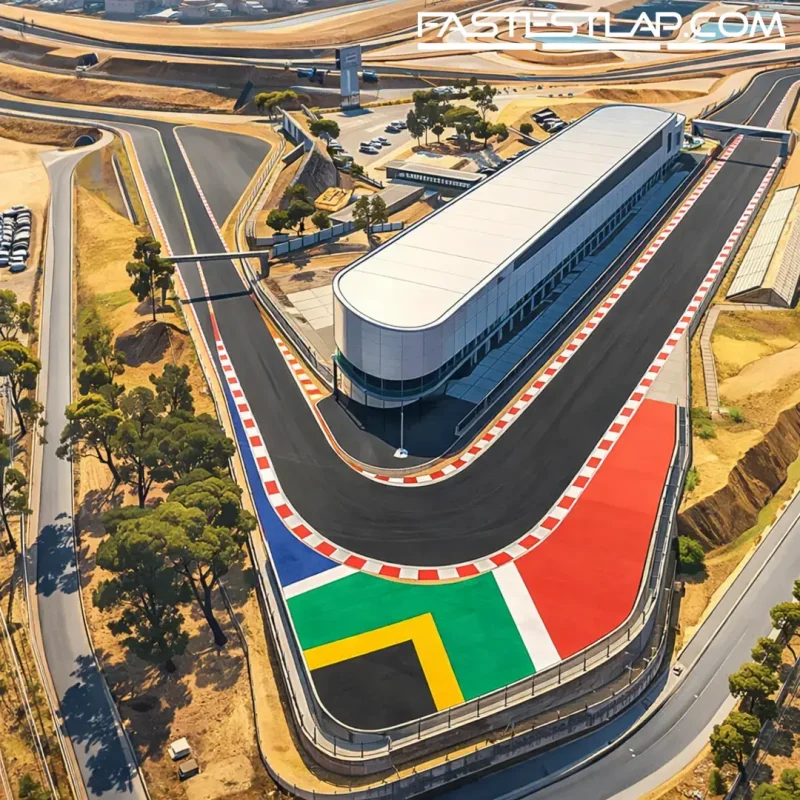
Kyalami has at least made progress on one front, receiving FIA approval to implement design proposals intended to bring it up to Grade 1 standards — the requirement for F1. But approvals on paper don’t lay asphalt, rebuild runoff, or rewrite safety systems. CAR Magazine estimated that upgrading drainage and runoff areas, along with Armco safety barriers, could cost between $5 million and $10 million (around R80.8 million to R161.6 million). And the wider bill to actually make an event happen has been put at roughly R2 billion (about €96 million).
That’s the kind of number that instantly changes the conversation. At that level, you’re no longer talking about “getting F1 back”; you’re talking about who guarantees the risk, where the sponsorship and promoter model sits, and what happens if ticket sales don’t match projections. McKenzie has now effectively acknowledged that the bid didn’t have enough solidity in those areas.
It matters because F1’s calendar isn’t short of suitors. Under the Concorde Agreement, the championship can run to a maximum of 24 races. The sport has spent the past few years balancing legacy venues against the commercial pull of new markets, and that tension isn’t easing in 2026. Barcelona and Zandvoort are both out of contract for 2027, and while the Portuguese Grand Prix is due to return, there’s still a slot potentially available — but “available” doesn’t mean “waiting for South Africa”.
In the background, there have been concerns about whether the South African project was considered a serious proposition by Formula One Management, with doubts centred on the ability to fund and deliver the event to F1’s standards. That’s the uncomfortable truth for any would-be host in the modern era: F1 doesn’t buy the romance. It sells a global product, and it wants guarantees.
Still, McKenzie’s comments are at least a rare moment of candour in a space usually filled with optimistic timelines and “advanced talks”. If South Africa is going to get back on the grid, it likely needs exactly what he’s now promising — experts who understand the commercial and logistical demands, a realistic infrastructure plan, and a clear funding model that doesn’t rely on wishful thinking.
The stakes are obvious. South Africa last hosted a Formula 1 race in 1993, before finances and politics pushed it off the schedule. Three decades on, the appetite to return remains — but appetite isn’t a promoter.
For now, the bid has been paused by the same thing that has stalled countless grand prix dreams before it: the moment the spreadsheet lands on the table and everyone realises what “hosting F1” actually costs.