Honda’s back in the Formula 1 engine room with Aston Martin in 2026, its logo back on the nosecone and its name tied to one of the paddock’s most ambitious rebuilds. But if anyone was expecting that return to be the opening act for a full-scale endurance racing programme, Honda’s been pretty clear: not happening — at least not as a factory effort.
Chuck Schifsky, manager of Honda & Acura Motorsports, has confirmed there are no plans from Honda, Acura or Honda Racing Corporation to enter the FIA World Endurance Championship. That shuts down the recent noise suggesting Honda was lining up a Hypercar programme as early as next season, at a time when the WEC grid is already swollen with manufacturers and getting even busier with McLaren due in 2027.
It’s a notable line in the sand because it tells you something about how Honda wants to play this next chapter. The company has chosen focus over footprint. With the 2026 F1 rules reset — and with Aston Martin leaning hard into its new era — Honda isn’t interested in diluting its resources by launching a parallel, works endurance campaign.
That doesn’t mean the Acura ARX-06 is being put back in a box, though. Schifsky stopped well short of ruling out WEC entirely in a broader sense, making it clear Honda would “certainly welcome” customer teams running the ARX-06 in IMSA GTP or WEC Hypercar. The key phrase was “no imminent plans,” which in motorsport language often translates as: not now, but don’t stop calling.
It’s an interesting nuance, because customer entries can be a politically neat compromise. Honda keeps a presence and the performance narrative of the ARX-06 stays alive beyond North America, without the cost and expectation that comes with an official works banner. If the right partner turns up with the right chequebook and the right operational credibility, Honda can still have a car in the WEC fight without having to build a factory team around it.
The timing is also hard to ignore. Honda has only just switched its F1 attention from the end of an era with Red Bull to the start of something far less certain with Aston Martin. The Red Bull partnership concluded at the end of last year, closing a cycle that, even after Honda’s formal withdrawal from F1 at the end of 2021, continued with technical support through to the end of 2025. In other words, Honda’s F1 department hasn’t exactly been sitting still — and now it’s being asked to deliver again, this time under an all-new engine formula and with a team that’s still learning how to turn big ambition into weekly execution.
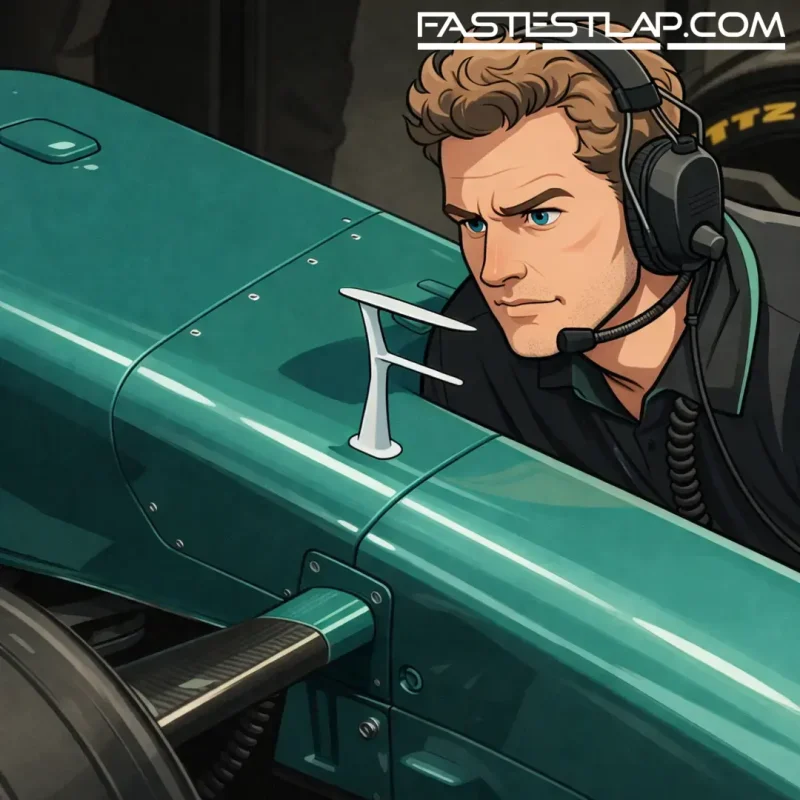
Aston Martin rolled out its AMR26 ahead of the second Bahrain pre-season test, and the messaging from Honda has leaned into the emotional pull of seeing that branding back on an F1 car. HRC president Koji Watanabe called the AMR26’s livery “strikingly beautiful” and admitted to being “immensely proud” to see “POWERED by Honda” back “at the pinnacle of automobile racing.”
There’s more than nostalgia in that statement. Honda is effectively reintroducing itself to the F1 world as a named partner again, and the Aston Martin project gives it a fresh identity after years of being intertwined with Red Bull’s operation. That’s a branding win — but it’s also a responsibility, because the first season of a new regulations era tends to define reputations fast. If the power unit lands well, Honda’s back on the front page for the right reasons. If it doesn’t, that “return” narrative turns sour in a heartbeat.
That context makes the WEC stance make sense. Hypercar is booming, yes, but it’s also a resource-hungry arms race. The paddock can talk about “synergy” between programmes all it wants; in reality, the crossover is limited and the costs are very real. Honda has made the call that its headline motorsport story, right now, is F1 with Aston Martin — not trying to win Le Mans under a factory flag.
Still, the ARX-06’s record gives Honda leverage if it ever does want to reopen that door. The car has been a proven front-runner in sportscar racing, winning the 24 Hours of Daytona and Petit Le Mans in 2023 and then adding the 12 Hours of Sebring in 2024 — a trio that underlines how strong the platform has been in the GTP era. That’s exactly the kind of CV that makes a customer programme more than just a vanity project, because prospective teams aren’t buying into an experiment; they’re buying into something that’s already won the big ones.
For now, though, Honda is keeping its eyes on the 2026 start line. The company has returned to F1 with a high-profile partner, a fresh car, and the kind of expectations that come with a new-regs reset. The message on endurance racing is simple: Honda isn’t spreading itself thin — but it’s not locking the door either.