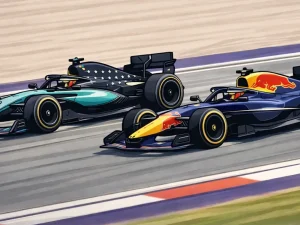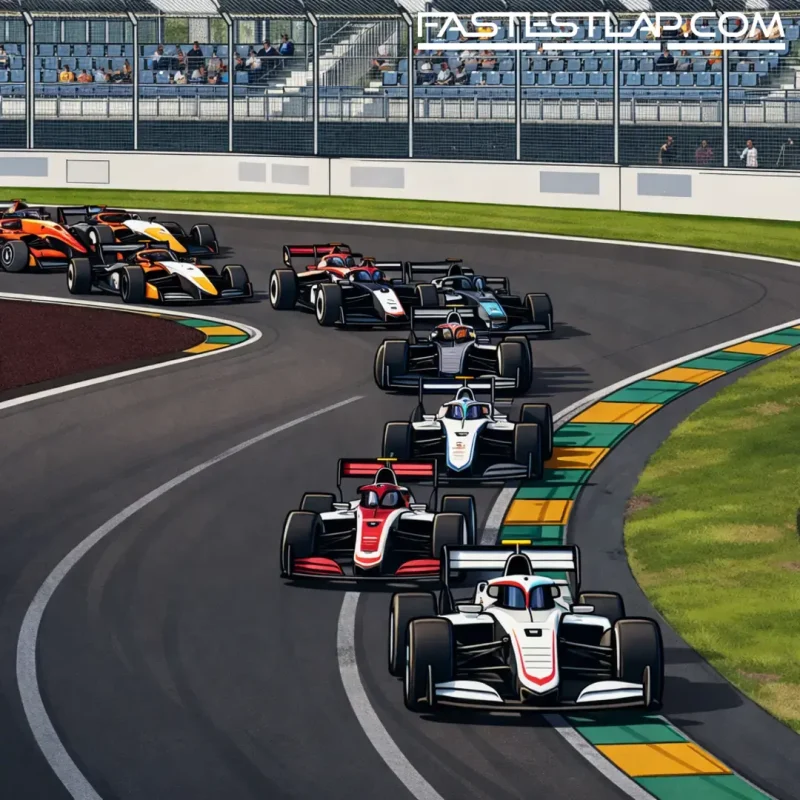
Formula 2 is heading to North America for the first time in 2026, with Miami and Montreal drafted in at short notice after the Bahrain and Saudi Arabian rounds were cancelled.
The knock-on effect of losing Sakhir and Jeddah in April was obvious: a championship built around rhythm suddenly faced a dead patch early in the season, exactly when teams and rookies most need consecutive weekends to bed in. The solution the F1 and FIA leadership have landed on is a transatlantic pivot — and, from a paddock logistics point of view, it’s an ambitious one.
Miami will now host Round 2 on May 1-3, followed by Montreal for Round 3 on May 22-24. From there, the series returns to Europe with Monaco on June 4-7. In other words: an unplanned early-season North American swing, then straight back into the traditional European run.
Stefano Domenicali framed the move as a win-win, acknowledging the disappointment of the Middle East cancellations while underlining the value of keeping the F2 season moving.
“While it has not been possible to go ahead with the two races in Bahrain and Saudi Arabia this month, and we look forward to being back with our passionate fans there as soon as possible, it is great news for our fans, the drivers and the teams that Formula 2 will be racing in Miami and Montreal,” Domenicali said.
He also pointed to the practical objective: reduce the gap in racing that would otherwise have opened up. That matters in a series where momentum can be everything — for driver confidence, for team development direction, and for how quickly the pecking order crystallises.
FIA president Mohammed Ben Sulayem struck a similar tone, describing the calendar change as both damage limitation and an opportunity to push the category into new territory.
“Following the necessary changes to the calendar at the start of the season, the addition of these new rounds ensures the FIA Formula 2 Championship remains strong and balanced, and able to deliver for our teams, drivers and fans,” Ben Sulayem said. “Bringing the championship to North America via Miami and Montreal for the first time marks an important step in its continued global growth, strengthening the pathway alongside Formula One and connecting with new audiences.”
It’s also, quietly, a statement of intent about what F2 wants to be. For years it’s largely lived as F1’s European support act — vital, credible, but geographically tethered. Dropping it into two major F1 weekends on the other side of the Atlantic changes the shop window entirely. Miami offers the sport’s loudest modern stage; Montreal offers a proper old-school counterweight. Both will test teams in different ways, from travel routines to how drivers adapt to unfamiliar circuits under tight session mileage.
Ben Sulayem added that the FIA’s thoughts remained with those affected by the ongoing events in the Middle East, reiterating the hope of returning to Bahrain and Saudi Arabia “very soon”.
For F2, though, the immediate reality is simple: the season’s early narrative will now be written in Florida and Quebec, not the desert. And for a grid full of drivers trying to force their way into the 2027 and beyond F1 conversation, there won’t be much time to ease into it. Miami comes first, and it will arrive fast.