Helmut Marko isn’t back in the Red Bull garage, and he’s not back on the pit wall, but he is back in the orbit of Formula 1 in a way that feels entirely on brand for the sport’s most influential power-brokers.
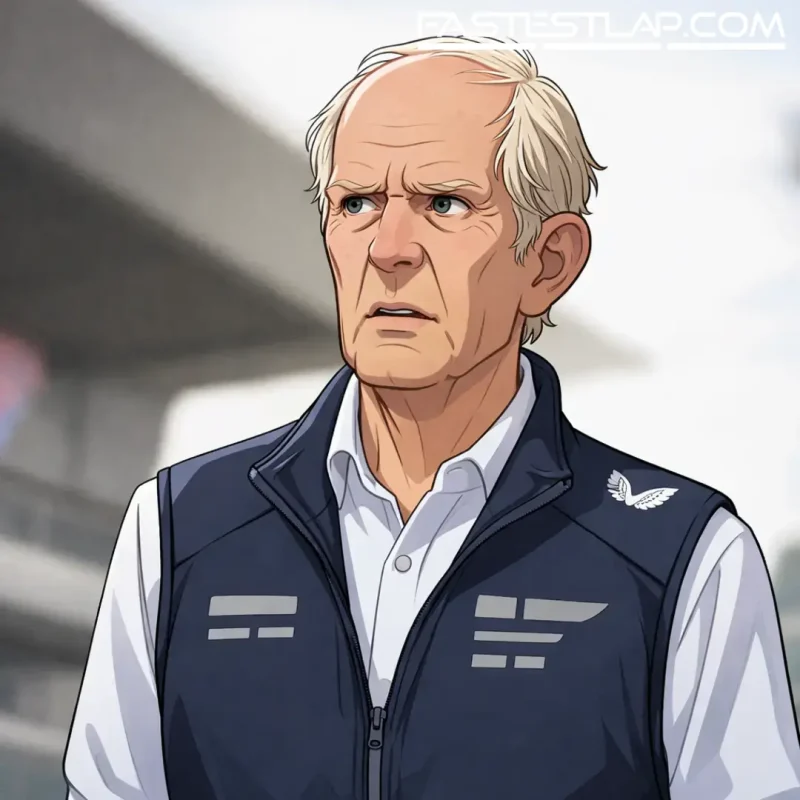
Red Bull has confirmed Marko has been appointed an ambassador for the Austrian Grand Prix at the Red Bull Ring, giving the 82-year-old his first formal F1 role since his abrupt exit from Red Bull Racing at the end of 2025. Considering the race is effectively staged on Red Bull’s home turf in Spielberg, the move reads less like a sentimental nod and more like a reminder: Marko may have left the day-to-day, but the institution he helped build still runs deep.
Since returning to the calendar in 2014, the Austrian Grand Prix has been a showcase not only for Red Bull’s event operation but also for Austria’s outsized influence in the paddock. For years, Marko and Mercedes boss Toto Wolff have been the two most prominent Austrians in F1’s modern era — very different personalities, both with a knack for shaping the sport beyond their own teams. Marko disappearing entirely from the race weekend picture always felt unlikely, even if his departure from Red Bull suggested a cleaner break than anyone expected.
What’s interesting is how little has changed behind the scenes, at least in terms of access. New Red Bull team principal Laurent Mekies has made it clear Marko remains a phone call away, even if he’s no longer a regular presence in the paddock.
“Helmut has remained very open and available to us,” Mekies said on the *Beyond the Grid* podcast. “I am [talking to him], they are, I’m sure we are all having chats with him and getting guidance from him, even though you don’t see him turning up at the racetrack.
“You can’t turn the page of Helmut that has been building this young driver programme for two decades with incredible success. You don’t turn that page quickly. So we are living on his legacy right now, and as I said, he’s behind the corners if we need him.”
That’s not just polite reverence. Marko’s real imprint on Red Bull was never limited to a role title; it was structural. He helped define how the organisation scouts, signs and ruthlessly cycles talent, and that machinery doesn’t simply stop because the architect has stepped away from the factory floor. Mekies’ comments all but confirm what many in the paddock have assumed since last winter: the split ended Marko’s authority, not his influence.
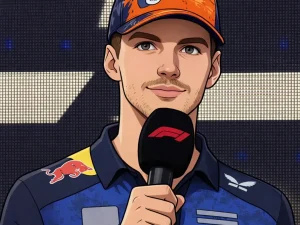
Max Verstappen, too, has framed it in similarly practical terms — less about technical briefings and more about the personal connection that’s been central to his career. Asked about the atmosphere at Red Bull without Marko in the mix, Verstappen admitted it’s different, even if the relationship continues away from the track.
“Maybe a few less Austrian-sided jokes from Helmut,” Verstappen said. “But I’m in touch with him anyway. Maybe not so much about details of the car, but just life.
“I shared so many moments with him so, of course, it will feel a little bit different in the garage, but you also have to just look ahead, right?
“You have to think about performance, but at the same time, like I said, great relationship, and we stay in touch anyway.”
There’s a neat symmetry to Marko surfacing now as an ambassador at the Red Bull Ring rather than in a team role. It keeps him visible in a setting Red Bull controls, without reopening the questions that followed his departure. It also gives the Austrian Grand Prix a familiar figurehead at a time when F1, as ever, leans heavily on personalities to sell its stories.
And make no mistake, Marko’s presence at Spielberg will still carry a certain charge. Even without paddock credentials and a headset, he remains a lightning rod — admired for his eye for talent, criticised for his bluntness, and always capable of dragging attention toward himself with a single remark. As an ambassador, he can do the softer, ceremonial work; as Marko, he’ll inevitably still be Marko.
For Red Bull, it’s a tidy arrangement. The team moves forward under Mekies with a cleaner internal structure, while keeping a link to one of the defining figures of its rise — and to the driver programme identity that has underpinned its success for two decades. For the Austrian Grand Prix, it’s a homecoming that strengthens the event’s connection to the sport’s modern history at the very circuit Red Bull turned into a statement of power.
Marko may no longer be pulling levers inside Red Bull Racing, but in Spielberg this summer, he’ll be back where Red Bull’s F1 story has often felt most unmistakably like a home game.