‘Is McLaren biased against Oscar Piastri?’ Australian Senate wades into Qatar strategy storm
It takes a fair bit for a Formula 1 strategy call to make it into Hansard, but here we are. After McLaren left both cars out behind an early Safety Car in Qatar—and watched the race (and momentum) slip away—the question of whether the team is short-changing Oscar Piastri was put to an Australian parliamentary committee.
The timing couldn’t be sharper. Max Verstappen won in Lusail to slash Lando Norris’s title lead to 12 points and jump Piastri for second in the standings. Two months ago, after the Dutch Grand Prix, Piastri was 70 clear of Norris and 104 ahead of Verstappen. Eight races on, he’s third, and a championship that once looked orange is anything but.
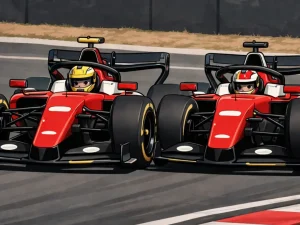
The flashpoint was lap 7 in Qatar. A Safety Car picked up the field; the pit lane turned into a car park; and McLaren didn’t blink. Both Norris and Piastri stayed out. Everyone else boxed. Verstappen, armed with track position and tyres, did the rest.
Andrea Stella didn’t sugar-coat it. “In terms of the outcome of the decision, that’s a fair interpretation,” the McLaren team principal said of the suggestion the team essentially handed a pit stop to its main rival. “Effectively, we have conceded one pit stop to a rival that was fast today.”
The rationale? Avoid dropping into traffic. The reality? “Everyone pitted and this made our staying out ultimately incorrect from a race outcome point of view,” Stella admitted. With low tyre degradation and Verstappen’s pace, “this decision was significantly penalising because clearly Oscar was in control of the race and deserved to win it, and we lost the podium as well with Lando.”
Cue the backlash—and, unusually, a question on the floor of the Senate Rural and Regional Affairs and Transport Legislation Committee. Senator Matt Canavan looked across the room and, with the deadpan delivery only politics can provide, asked: “Do you think McLaren is biased against Oscar Piastri and costing him the World Championship?” Department secretary Jim Betts asked if that required an opinion. Regional Affairs Assistant Minister Anthony Chisholm didn’t duck it: “I definitely think he’s copped some raw decisions this year,” he said, noting his F1-obsessed daughter wouldn’t be thrilled with the result.
It’s a spicy soundbite for a complicated topic. Bias is a heavy word. Inside McLaren, the line has been consistent: the team races both drivers, and strategy calls are made for the collective win. In Qatar, the call was bold and, with hindsight, wrong. Piastri wasn’t just in the fight—he was controlling it—when the Safety Car reset everything. The missed stop turned a one-two into damage limitation.
Woking’s response has been to go inward rather than defensive. The team’s promised a “very thorough” review of the decision-making that led them out of the pit lane when the rest of the field dived in. It needs to be. With the calendar dwindling and the top three separated by not a lot, championship math is being written in seconds and safety cars, not slogans.
This is the bit that will sting most for Piastri’s camp: the Australian has been relentlessly consistent all season, and when the title fight finally went three-wide, a call from the pit wall knocked him from the front foot. That’s not a narrative you can dismiss with a shrug, even if it’s also true that strategy is a high-wire act where fear of traffic can be as real as the tyre delta you leave on the table.
Also true: the mood music around team dynamics gets louder when trophies are within reach. Norris is leading the championship. Piastri, after Qatar, is chasing. Verstappen is Verstappen. Every stoplight decision is now a referendum.
Australia noticed. Of course it did. Piastri isn’t just the next big thing anymore; he’s the guy carrying a title run deep into the year. That fandom now has a voice in Parliament only underscores how much this matters beyond lap times.
The championship picture is tight enough to make your teeth ache. A dozen points is nothing against a Red Bull on a roll, and McLaren can’t afford any more self-inflicted wounds if it wants to keep both drivers in the fight—not just one. The car’s good enough. The drivers are good enough. Qatar showed the margins on the pit wall have to be, too.
The next weekend will tell us if McLaren learned the right lesson: be brave, yes, but not blind. Because in this title chase, you don’t often get to make the same mistake twice.