Mandatory two-stop races back on the table for F1 2026 — but expect a fight
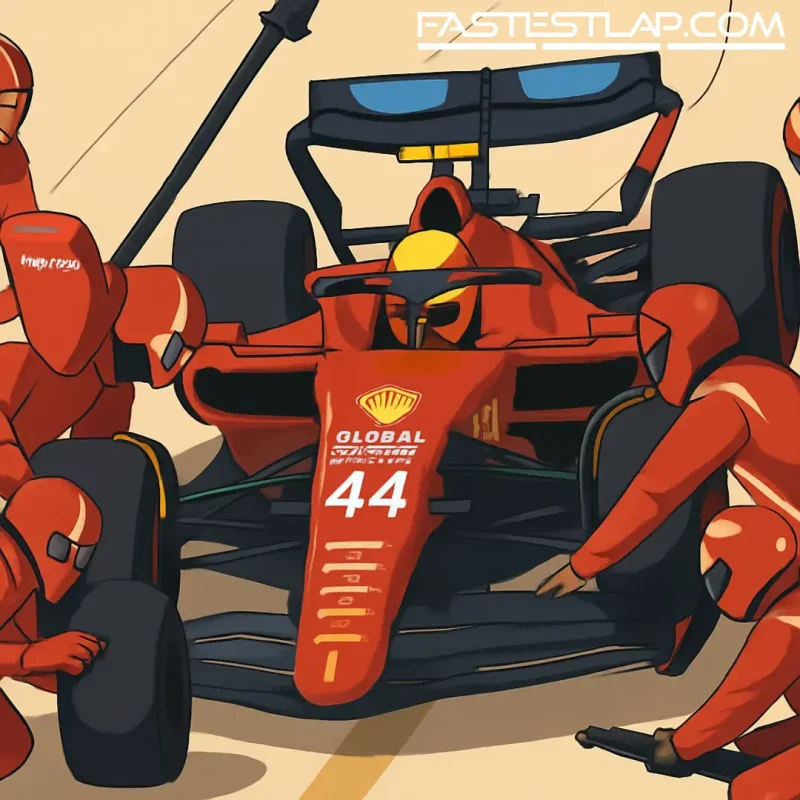
Two-stop races could become the norm in Formula 1 from 2026, with the idea set to be put in front of the F1 Commission as the sport again toys with forcing strategy rather than waiting for it to unfold.
The push comes off the back of a run of grands prix won comfortably on one-stop strategies — fine for engineers, less so for broadcasters. There’s already a light-touch mandate in place: in dry conditions, drivers must use at least two tyre compounds, so one pit stop is effectively guaranteed. A second compulsory stop would go a step further, designed to inject jeopardy and, crucially, reduce the Sunday-long tyre nursing that’s crept back into the show.
We’ve seen the template already. Monaco this year trialled a mandatory two-stop format and it produced exactly the kind of unintended consequences everyone could have predicted on a track where passing is a myth. Teams, notably Racing Bulls and Williams, slowed one car to back the field into their preferred pit windows, turning laps into rolling roadblocks. It was clever, legal and widely unpopular. Teams were cool on expanding the idea after Monaco — cool enough that it wouldn’t have cleared an F1 Commission vote at the time.
Still, the sport’s commercial rights holder hasn’t let it go. The logic is straightforward: build in a second stop, remove the incentive to tiptoe around blistering and degradation, and encourage drivers to push. The counterargument from teams is equally familiar: artificially enforced strategy can distort competition and invite gamesmanship, particularly on circuits with limited overtaking.
And then there’s the governance maze. Even if there’s enough appetite to try it, getting it into the rulebook isn’t simple. The F1 Commission — made up of the 10 teams (one vote each), the FIA (10 votes) and Formula One Management (10 votes) — would first have to pass it. Typically, 25 votes are needed. If the proposal lands after April 30 of the preceding year, the threshold rises to 28 votes, a supermajority. From there, anything approved heads to the World Motor Sport Council to be written into the regulations.
Complicating matters is the fact the sport is operating in a bit of fog beyond the end of this season, with no new governance Concorde yet nailed down. Work is ongoing, and day-to-day business is being handled using the existing processes, but major structural tweaks like a compulsory second stop inevitably rub up against the broader balance of power between the FIA (as regulator) and FOM (as commercial operator). They’re aligned on growth, less so on how manufactured the product should feel.
This is the same tug-of-war we’ve seen before. Liberty Media wants a package that’s easy to sell to new audiences — more variables, fewer stalemates. The FIA tends to lean conservative, wary of gimmicks and mindful of the sport’s competitive integrity. Teams sit awkwardly in the middle, keen on spectacle until it threatens to blow up a carefully calibrated race plan.
If the rule does get momentum, expect the political pitch to focus on racing quality rather than entertainment buzzwords. Two mandatory stops don’t guarantee action, but they do increase the chance of strategy divergence and pace deltas across the field. The intent is to shift Sundays away from energy saving and tyre tending and back towards drivers leaning on the car.
The obvious question: why not empower the tyres to do that job organically? That’s a separate and longer conversation — and a tougher one to solve between technical targets, tyre supplier constraints and the new 2026 regulations reshaping the cars around very different power unit and aero priorities. A procedural change to pit rules is faster to implement. Whether it’s better is up for debate.
For now, the headline is simple: a mandated two-stop race format is set to be discussed for 2026. The recent Monaco trial showed both the promise and the pitfalls. Teams weren’t sold then; opinions may have softened, or not. If the Commission pushes it through, the World Motor Sport Council will have its say. And if it doesn’t? Expect this idea to keep circling the paddock anytime the on-track product drifts back into tyre-saving purgatory.
As ever in F1, the stopwatch will argue one side, the show will argue the other, and the rulebook will land somewhere in between.