Headline: Stroll isn’t sold on F1’s 2026 “brain games” era — Alonso either, unless it’s for wins
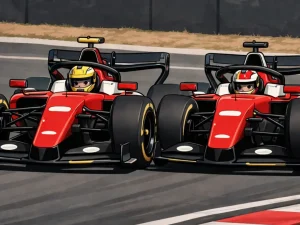
F1’s 2026 reset is coming with sharp elbows: shorter, narrower cars, a big swing toward electrical power and active aero that promises monster top speeds but far less cornering bite. Not everyone in the cockpit is thrilled.
Aston Martin’s Lance Stroll didn’t sugarcoat it when asked about the incoming package, which pulls the sport away from ground effect, drops total downforce by roughly 30%, and leans harder on hybrid deployment with both front and rear wings on the move.
“It’s a bit sad,” Stroll said, reflecting on how the new rules could feel behind the wheel. The target, in theory, is a nimbler car that’s quicker on the straights — he even floated the 400km/h figure — but slower in the turns. For a driver, that tilts the job away from the visceral high-grip push and toward energy micromanagement. And that, he admits, isn’t the same rush.
Managing deployment, planning passes, thinking three corners ahead — it’s set to become the rhythm of a lap in 2026. The power unit remains a 1.6-litre turbo V6, but the electrical side will punch far harder than now, with drivers taking a more active role in how it’s used. That means games of chess at 320km/h, and sometimes beyond.
“It’s not what you want as a racing driver,” Stroll said of the balance shifting toward battery strategy over pure car-on-rails commitment. He’s echoed plenty of peers there. Esteban Ocon has even likened the feel to jumping from an F1 car to a rally car, such is the swing in driving style that’s expected.
Still, Stroll added a caveat only a competitor would: if his AMR26 ends up the class of the field, nobody in green will be pining for the old days. “If we’re in Melbourne and we’re super quick, and everyone else is still behind us in the mirrors… it’s going to be a nice car to drive. So it’s all relative.”
Fernando Alonso, ever the chess player in traffic and still leading Aston Martin’s line in 2025, sees the same trade-off coming. With drivers set to wield more control over when and where to deploy electrical energy, he expects more variability — “unexpected results,” as he put it — depending on who nails the timing and who doesn’t. But that doesn’t mean he wants F1 to become a mental marathon for a mid-pack finish.
You can survive Sundays right now by defending cleverly — we’ve seen him do it — but the two-time World Champion’s preference is crystal clear. He’d rather not have to “use [his] brain 200%” just to nick P7 or P6. Give him raw pace and a 20-second win any day.
There’s a wider tension here F1 hasn’t quite resolved: the sport wants higher top speeds and more active tools to reduce drag on the straights, but it’s also dialing back the aerodynamic grip that’s made modern cars bullet trains in fast corners. The result could be breathtaking velocity down the main straight, followed by more movement — and more thinking — through the turns. From the outside, the spectacle might be compelling. From the cockpit, especially for drivers who live for high-downforce commitment, it’s a different thrill.
Aston Martin has been deep in the simulator on its 2026 project, and Stroll’s comments hint at what’s been filtering back to the paddock: the cars will be busy, and drivers will be too. The promise of active aerodynamics is that following should improve and drag drops when you need it. The catch is you’ll be juggling deployment patterns, aero states and tire life while fighting a car that simply has less grip.
Maybe that’s why the tone across the grid sits somewhere between curiosity and caution. If 2026 rewards the sharpest software, smartest energy models and the bravest drivers in low-grip corners, the best outfits will adapt and thrive. If it devolves into lift-and-coast with long straight-line bursts and conservative cornering, expect more grumbling.
As ever in F1, the debate fades quickly when you’re winning. For now, Stroll and Alonso have laid out the driver’s-eye view: fewer superhero cornering moments, more headspace spent on harvest and spend. It might produce drama. It might produce frustration. It’ll certainly produce a different kind of racing — and a different kind of satisfaction.