Domenicali on F1’s 2026 reset: “The form book will be ripped up”
Formula 1 is strapping itself in for a rules earthquake in 2026 — new chassis, new power units, new aero tricks, new rubber, and a familiar promise from the boss: expect chaos. Stefano Domenicali, F1’s president and CEO, says the pecking order is about to go skyward. And stay there for a while.
“We will see brand-new cars with revised power units, which run advanced sustainable fuels,” Domenicali said in a piece for the Formula 1 website. “The form book will be ripped up. The pecking order will be up in the air. I’m pretty sure where you will rank in the first race won’t be where you rank at the end of the year, so fast and intense will be the development race.”
That’s not marketing fluff. The current ground-effect era that began in 2022 is being parked, as are power units born in 2014. In their place: smaller, lighter machines loaded with cleverness and responsibility.
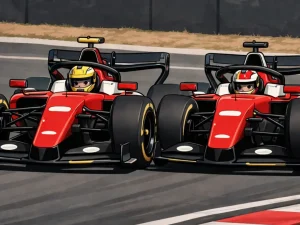
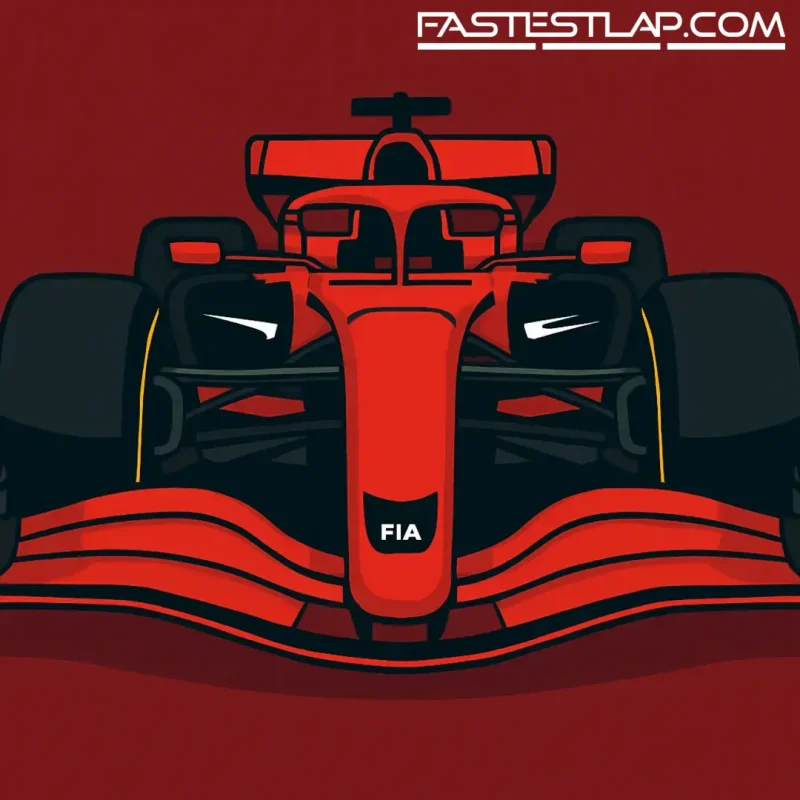
The headline numbers are simple enough. The 2026 cars will shrink and shed around 30 kilograms. Both wings get active aerodynamic elements, and with that, DRS shuffles into retirement. Expect drivers and teams to juggle new aero states throughout a lap to balance efficiency, deployment, and corner performance — a different kind of racecraft in the mirrors and on the pit wall.
Under the engine cover, the shift is even starker: a 50/50 split between electrical and internal combustion power. That means energy management becomes a lap-time currency you either spend smartly or watch disappear. The ICE will run on fully sustainable biofuel, an overdue reality in grand prix racing that also changes how power units deliver their punch over a stint.
Even the tyres aren’t immune. Pirelli’s 2026 compounds will come narrower — 25mm off the front, 30mm off the rear — a tweak that will influence mechanical grip, warm-up, and how much a driver can lean on the car in long corners versus clean traction zones.
Add it all up and you get a championship that’s likely to move under your feet. Historically, resets reward the brave and the well-prepared. But Domenicali’s hint about an order that evolves through the season is the real tell: development won’t just be important, it’ll be overwhelming. Early winners might stumble as rivals figure out packaging, energy recovery strategies, and the dark art of active aero tuning.
There’s also fresh blood to account for. Audi and Cadillac are on the way for 2026, adding more heavyweight resource — and fresh ideas — to the fight. That matters because hardware and software choices made now lock in advantages that can last across an entire ruleset. The incumbents carry experience; the newcomers arrive without baggage. Both can be dangerous.
The calendar is getting a shuffle, too. Madrid’s new street circuit steps in as host of the Spanish Grand Prix, bringing the championship into the city with a made-for-television skyline and the sort of civic ambition F1 feeds on. Further out, Portimão is slated to return from 2027 — a fan favorite with proper elevation change and a knack for producing honest racing. Domenicali says the schedule work continues in the background with one eye on sustainability and tighter regional groupings: “We are working hard to evolve the schedule so that it is the more sustainable, too, in terms of the flow of races.”
There are unknowns where there used to be givens. Without DRS, overtaking will depend more on differential aero states and how well cars can follow when wings are trimmed. With narrower tyres, the operating window might be fussier, and race engineers will have to decide whether to lean into aero efficiency or mechanical grip on a venue-by-venue basis. And with half the power coming from the electric side, deploying energy at the right moments — attacking out of slow corners, defending on straights, hedging against temperature spikes — will become a strategic chess match.
The teams know this. The clever ones are already simulating qualifying laps at tracks they’ve barely seen on foot, testing everything from battery state-of-charge algorithms to how often a driver should switch aero modes in a single sector. The less clever ones will be found out by July.
Through all of it, the sport gets a narrative it hasn’t enjoyed for a while: genuine jeopardy. Title hopes that survive winter might not survive the first European upgrade. Midfielders could find themselves on the front two rows on merit, then drift back as the arms race bites. And the heavyweight manufacturers won’t be able to buy comfort with straight-line speed alone; efficiency and software will do just as much talking as horsepower.
So, no, 2026 isn’t a gentle refresh. It’s a reset with teeth. Smaller cars, smarter aero, cleaner fuel, and power units that demand brains as much as brawn. The first team to nail the concept won’t necessarily be the one holding the trophy in Abu Dhabi. As Domenicali hinted, this one’s going to move. And fast.