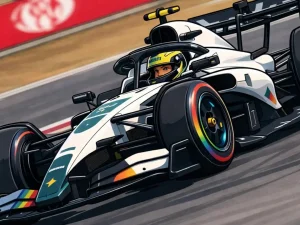
Ferrari will roll out its 2026 Formula 1 car on January 23, lining up a triple-header launch day with Haas and Alpine as the sport prepares for its most radical rules reset in decades.
Call it a gamble, call it conviction: Maranello effectively parked development of the SF-25 back in April to go all-in on the new era. Team boss Frédéric Vasseur said earlier this year the decision was made “very early” and backed unanimously inside the factory, with wind-tunnel time pointed squarely at 2026. The short-term pain showed—Ferrari ended the 2025 season fourth in the Constructors’ standings, per the official records—but the payoff they’re chasing arrives now.
The new car lands under the first wave of the 2026 regulations: active aerodynamics and a power unit split down the middle between internal combustion and electrical energy. On paper, that should reward efficiency and clever packaging as much as outright downforce. In practice, it’ll ask teams to master a moving target—literally—with adjustable wings and far greater energy deployment to juggle.
Ferrari hasn’t confirmed the chassis name yet, but the plan is clear. Charles Leclerc and Lewis Hamilton will shakedown the car at Fiorano immediately after the launch, before low-profile running at the Circuit de Barcelona-Catalunya in a private session days later. The first public look for everyone comes in Bahrain, where pre-season testing begins on February 11. The championship opens in Australia on March 6.
For Ferrari, January 23 is more than a date. It’s a progress report on a strategic pivot nine months in the making. The Scuderia’s choice to step off the 2025 development treadmill early was always going to be judged by what turns up in ’26. If they’ve nailed the new architecture—if the active aero maps, energy recovery, and balance between drag and deployment are dialed in—this is their chance to reset the narrative.
They won’t have the stage to themselves. Haas and Alpine have circled the same launch day, setting up a neat comparison as the covers come off. But few teams arrive with as much expectation as Ferrari. A star driver pairing. A fanbase that lives for days like this. And a clean-sheet rulebook that, in theory, levels that razor-edged playing field.
Ferrari teased the date on social media—short, sharp, and unmistakably confident.
Tifosi, mark your calendars.
— Scuderia Ferrari HP (@ScuderiaFerrari)December 18, 2025
What should we look for when the car breaks cover? A few telltales will matter:
– How aggressive Ferrari goes with cooling inlets and sidepod philosophy—key to managing the 50/50 hybrid split without dragging a parachute down the straights.
– The packaging around the rear wing and beam wing for those active aero transitions; you’ll want smooth surfaces and clean airflow paths for stability when the car switches states.
– Cockpit and battery placement clues, which will hint at weight distribution targets under the new energy profile.
If it sounds nerdy, that’s because 2026 will reward the teams who sweat those details. Ferrari’s decision to bank months of extra wind-tunnel and simulator time suggests they know exactly where the lap time lives in this rule set. The question is whether rivals like Red Bull, Mercedes, and McLaren found more in less time.
There’s also the human element. Leclerc and Hamilton will be the first to feel whether the car rotates on entry the way the simulator promised, whether the aero-switching feels intuitive, and whether Ferrari has delivered a platform they can trust on the limit. Early shakedown notes won’t make headlines, but they’ll set the tone for Bahrain.
So, circle January 23. Three launches, one big reset, and a first glimpse at whether Ferrari’s long game is about to pay off. In Maranello, they’ll tell you the wait was worth it. Now we find out.