Hamilton backs Colapinto as Alpine hands him 2026 deal amid engine shift
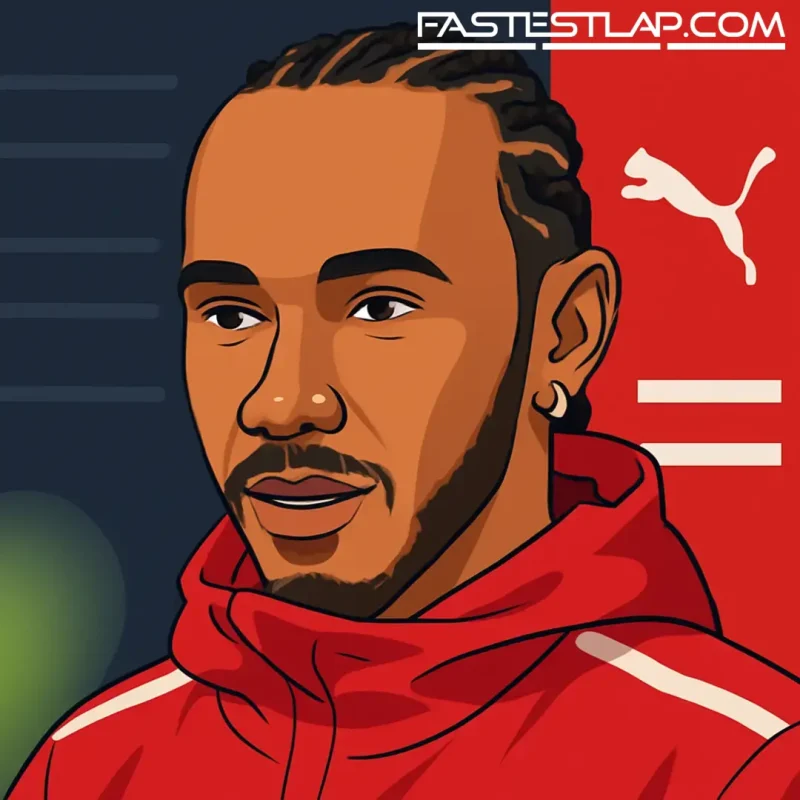
Interlagos can be a brutal place for rumours. On Friday, Alpine finally swatted one aside: Franco Colapinto is staying put for 2026. And in a paddock that tends to judge quickly and forget slowly, Lewis Hamilton offered the kind of endorsement that cuts through the noise.
“I think he’s doing amazing,” Hamilton said, recalling a flight they shared earlier this year. “He’s a really lovely lad… with a lot of weight on his shoulders. It’s not easy when you come into Formula 1 when things are uncertain. I think he’s been doing a really great job, and he just needs to continue to do what he’s doing.”
Ferrari’s seven-time champion doesn’t hand out praise cheaply, and the subtext was clear: character counts, especially when the timing’s not kind. Colapinto’s timing hasn’t been.
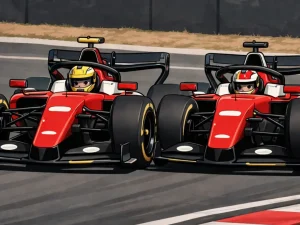
The Argentine lit up his arrival with Williams last season, then was parachuted into Alpine from Imola onward to replace Jack Doohan. Since then, the scoreline has been harsh: no points in blue and pink, questions asked, patience tested. But the lap charts tell a slightly different story. As the season’s worn on, Colapinto has dragged himself nearer to Pierre Gasly — a grand prix winner and a sturdy yardstick for any teammate.
Alpine’s decision to keep him alongside Gasly for 2026 isn’t romantic. It’s rational. F1’s next rules reset brings new chassis philosophies and fresh engine architecture, and Alpine will no longer be the Renault works team. The Enstone squad will switch to Mercedes power for 2026, trading the responsibilities of an in-house programme for the realities of being a customer. That’s a lot of upheaval in one winter. Continuity behind the wheel suddenly looks like a strategic asset, not a luxury.
There’s also the market reality. Who was the obvious upgrade? Reserve driver Paul Aron’s junior résumé sparkles and he’s looked neat in FP1 cameos, but grand prix Sundays are a different animal. Colapinto has already lived through the stormiest part of the job: mid-season call-up, reset to a new team, and a car that hasn’t made points easy to find. He’s taken the bruises and kept edging closer.
And that Hamilton nod matters. The relationship between young drivers and their paddock elders can be distant; this one isn’t. The two shared a flight, shared some conversation, and Hamilton came away impressed by the person as much as the pace. Teams pay attention to that mix when the margins are thin and the pressure’s heavy.
None of this guarantees a soft landing. The early flyaways of 2026 will be sink or swim for plenty of drivers, and Colapinto’s margin for learning will be narrow. But Alpine’s bet isn’t wild. Give a motivated, steadily improving rookie a stable seat through a major reset. Let him adapt while the engineers wrestle a new chassis-PU package into something competitive. If he keeps trend-lining towards Gasly, the decision will age well.
It also tells you something about where Alpine sees value right now. With the engine badge changing and the technical slate half-wiped, the team is prioritising cohesion and known quantities over another reset for the sake of it. That’s sensible. Enstone has done its best work historically when it can build quietly and iterate, not when it’s shuffling the deck every six months.
Colapinto doesn’t need a miracle to vindicate the faith. He needs clean weekends, a car that behaves the same way twice, and the kind of baseline performance that turns twelfth into tenth when the chaos kicks off. The rest — the highlights, the headlines — tend to follow.
As for Hamilton, his appraisal lands like a small vote of confidence from the sport’s toughest jury. You can hear the subtext: the kid’s got the temperament, and that’s half the battle. In a season where the scoreboard hasn’t been kind, that might be the backing Colapinto needed most.