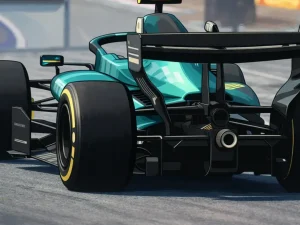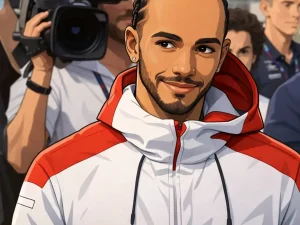
Spa should’ve been a storm-soaked thriller. Instead, fans got an 80-minute delay, four laps of Safety Car choreography, and a rolling start that bled into slicks inside eight laps. The post-race debate was inevitable: is F1 too cautious in the wet, or has the sport simply outgrown old-school rain races?
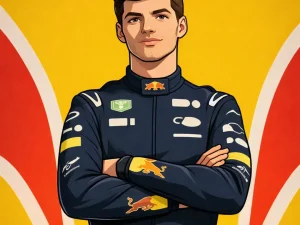
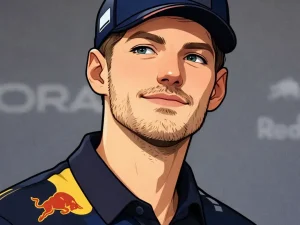
George Russell put the issue in clearer terms than most: it’s not the standing water, it’s the visibility. At 300 km/h, today’s cars throw up walls of vapor that turn the track into a blind man’s maze. And while Max Verstappen’s view was the classic racer’s take — “if you can’t see, you can always lift” — the stewards went the other way, prioritising sightlines over bravado. Verstappen called it “a bit silly” and worried for the fate of “classic” wet races.
Russell wasn’t offering a magic fix, but he pushed the conversation where it probably needs to go: technology. “With all of the tech we have now — GPS, heads-up displays — there could be a system to show you the car ahead when you can’t physically see it,” he said. Not full VR, not sci-fi, but a HUD overlay or car-to-car beaconing that gives drivers positional awareness when the spray overwhelms the mirrors and instincts.
It’s a pragmatic ask in a sport that builds wind tunnels and simulators the size of warehouses. If the wet tyre can’t solve the spray problem, maybe the cockpit can. Or the circuits. Carlos Sainz — now at Williams after his Ferrari stint — took that angle, pointing out there are asphalt mixes that reduce spray, even if most tracks don’t use them. His other point landed too: Spa’s “dark past” meant the FIA signalled a conservative approach before the weekend, and the sport could’ve been clearer with fans about what to expect.
No one needs reminding why visibility is non-negotiable. The losses of Jules Bianchi and Dilano Van ’t Hoff remain part of any discussion around rain racing, especially at Spa. That context matters. So does the product. On Sunday, it dulled a race that might’ve been a classic.
When it did go green, Lando Norris won from Oscar Piastri, with Verstappen’s wet-leaning qualifying setup leaving him fourth by flag fall. The result will fade. The debate won’t. F1 can accept that heavy-rain racing is basically dead — or it can get creative. Russell’s right: the clever people need to get to work, whether that’s HUDs, smarter tyres, or spray-taming tarmac. Because the sport can’t keep choosing between safety and spectacle every time the clouds roll in.