Headline: Mintzlaff on axing Horner mid-season: “We knew we had to do something”
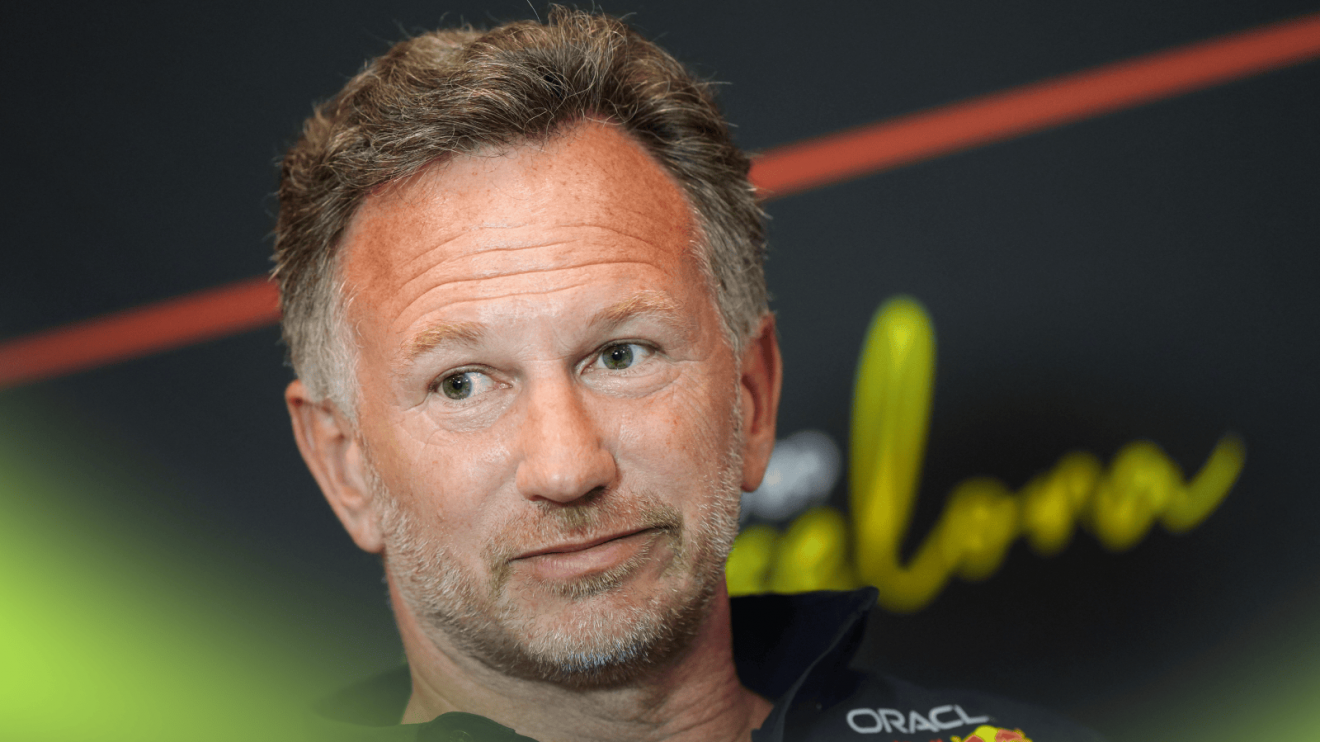
Oliver Mintzlaff has defended Red Bull’s call to dismiss Christian Horner during the 2025 season, saying the company couldn’t afford to sit on its hands as results slid. And while Helmut Marko stirred the pot with claims the move should’ve come earlier, Mintzlaff politely parked that one.
Speaking to De Telegraaf, Red Bull GmbH’s chief of corporate projects insisted the decision wasn’t reckless. “I wouldn’t call it a risk,” he said. “We were 100 per cent behind this measure. We knew we had to do something.”
Horner, one of the most decorated team bosses in F1 history, exits with a haul that will sit comfortably in the record books: six constructors’ titles and eight drivers’ championships under his watch since 2005, split between Sebastian Vettel and Max Verstappen. That’s the legacy. But mid-season reality bit.
The trigger came in the wake of the British Grand Prix, when Red Bull promoted Laurent Mekies from Racing Bulls to assume the dual role of CEO and team principal. The timing was brutal but, in Red Bull’s eyes, necessary. Verstappen’s year had stalled at two wins by then; the streak that followed said plenty about the jolt the organisation felt it needed. Max took six of the final nine, only to miss the title by two points to McLaren’s Lando Norris.
Marko — himself out the door this month — suggested Verstappen would’ve edged the championship had Red Bull pulled the plug on Horner sooner. Mintzlaff isn’t buying that narrative, nor is he eager to publicly dissect Horner’s final stretch. “I can’t say anything negative about Christian. He has meant a lot to Red Bull,” he said. “But you can’t keep relying on history. We felt it was time to turn the page and start a new chapter.”
That’s the colder corporate truth of it. Horner’s record buys respect, not immunity. Mintzlaff pushed back on the idea that the team lost its way amid change after the passing of Dietrich Mateschitz in 2022, framing recent moves as normal evolution inside a giant sports organisation. “Things change. Perhaps Dr Marko has also changed over the years,” he said. “Christian and Helmut worked together wonderfully for more than 20 years. Show me many large sports organisations where the leadership stayed the same for so long.”
And then the kicker: “Sometimes you just need a change to shake things up.”
If there’s a line to read between, it’s that Red Bull’s leadership wanted to reset the axis of decision-making after a sluggish start to 2025, and did so with minimal sentiment. Mekies’ remit isn’t just to keep every wheel turning; it’s to redraw the org chart around a car that, despite its flash of late-season bite, didn’t close the deal.
There’s no appetite from Mintzlaff to turn this into a public score-settling exercise. He sidestepped Marko’s “not pleasant” assessment of recent years with Horner and refused to fire back at the long-time team boss. The message is more strategic than personal: you act when performance dips, even if the names are big and the trophy cabinet groans.
As for Horner, the paddock’s obvious question is what comes next. He’s a proven operator with championship pedigree and, inevitably, a list of admirers. But in the immediate aftermath, the louder story is Red Bull remaking itself in real time — and finding that the painful call it made in July was followed by the kind of form that almost salvaged the season.
Almost. And that “almost” is precisely why, inside Red Bull, they’ll tell you the timing was right.