Interlagos cuts a quick fix after Sprint pile‑up as rain threatens a wild Sunday
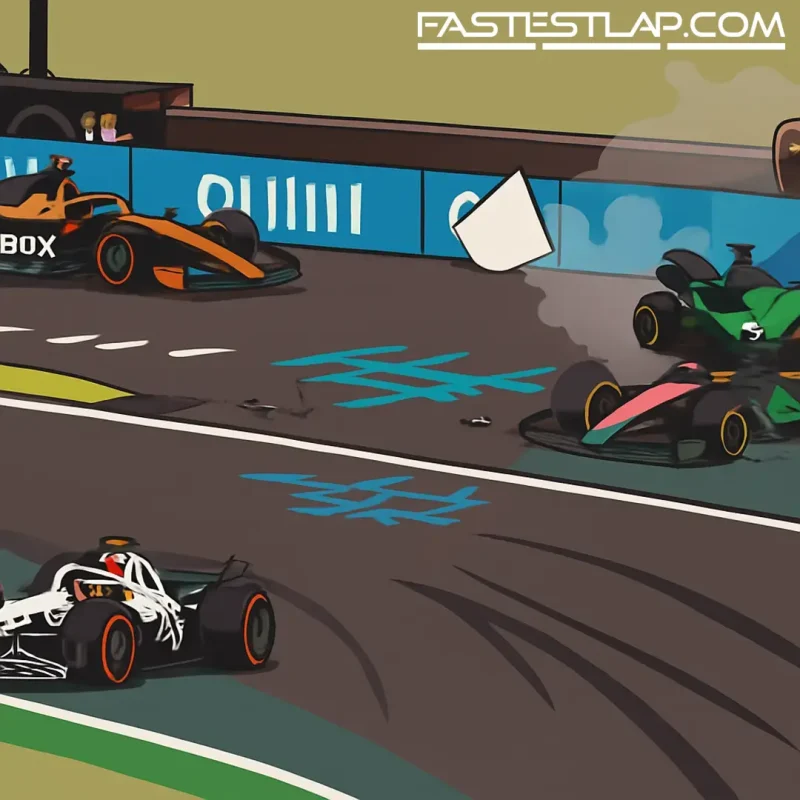
Interlagos has always had a flair for drama. On Saturday it went full slapstick, when a slick Turn 3 kerb helped send Oscar Piastri, Nico Hülkenberg and Franco Colapinto into the wall within seconds of each other in the Brazilian Grand Prix Sprint. By Sunday morning, with the forecast turning from “light drizzle” into a monsoon audition, the circuit crew grabbed the toolbox.
Piastri was running a combative third in the 24-lap Sprint, shadowing Kimi Antonelli and eyeing Lando Norris ahead for the eight points on offer. Then came Lap 6, Turn 3, and the moment everything let go. The McLaren snapped, slid and hit. Moments later, Hülkenberg and Colapinto found the same trap, same ending. Red flag. Of the trio, only Hülkenberg limped back to the pits.
The setup to the mess was simple and familiar: water, kerb, and a line everyone thought they could trust. “Norris hit the kerb and a lot of water went on to the [racing] line,” Antonelli radioed to Mercedes, puncturing any notion that the danger was isolated. Piastri, who’d used that strip of concrete a lap earlier, admitted the changed surface caught him out. He said the kerb “clearly splashed up quite a lot of water,” and while he conceded he “probably shouldn’t have been on” it, the penalty for a small mistake was outsized.
Interlagos’ response overnight was almost quaint in its simplicity: cut a drainage channel into the Turn 3 kerb to stop standing water from pooling and being flicked onto the racing line. It’s a little fix with a big job — route the water away, keep the tyre contact patch consistent, and give the drivers a fair shot at gauging grip mid-corner rather than discovering a booby trap after turn-in.
If that sounds basic, that’s because it is. But that’s how wet-weather safety often works: nudge the environment back in the drivers’ favor. It won’t eliminate risk — nothing will on a soaked Sunday at Interlagos — yet it can take the edge off the most unpredictable variable of all: a river that wasn’t there the lap before.
The Sprint itself showed how quickly conditions morphed around the early corners. Piastri’s line wasn’t wild; it was millimetres. The difference on a wet kerb is measured in fate rather than meters. Even before the red flag, you could sense the caution around Turn 3 tightening like a vice, lap by lap. A small error cost Piastri and Colapinto their entire Saturday, and handed the marshals a rain-made riddle to solve overnight.
Sunday’s forecast only turned the volume up. The FIA had called it a “moderate chance of drizzle/light rain” coming from the south; the morning delivered a downpour. Interlagos in the wet is part chess, part sprint finish, part survival. That freshly carved channel in the Turn 3 kerb might prove crucial if the showers hover at just the wrong intensity — not enough to force full wets, plenty to hide a stream where a kerb should be.
There’s a title fight and team agendas simmering through this 2025 season, and McLaren’s camp would’ve felt that Sprint sting more than most. Piastri had the pace to bank serious points before the track bit back, and even Norris, who stayed out of trouble, was implicated in the chain reaction that turned one kerb into a conveyor belt. Antonelli’s read on the situation — pointing to Norris’ splash across the line — underlined how easily one car can set up the next for a fall when the circuit becomes a sponge.
It’s easy to argue the drivers should’ve steered clear of that kerb altogether. It’s also easy to say that from a dry sofa. The early-lap math in a Sprint — the pressure to hang on, the chance to pounce — means you’re always balancing risk against reward. On Saturday, risk won. Overnight, the circuit tried to change the odds.
So we head into a wet-dry, or maybe just wet, Brazilian Grand Prix with a slightly modified Turn 3 and a paddock now hyper-aware of what that kerb can do. Keep an eye on how aggressively the field approaches it in the race’s opening laps, particularly if the pit wall is split on tyre choice. Expect a little more margin, a little more patience, and a lot of radio chatter the first time someone feels the rear step.
One thing’s clear: Interlagos hasn’t lost its sense of theater. It just added a drain to the stage.