Leclerc’s Antarctica plan sinks as Ferrari’s ‘now-or-never’ year looms
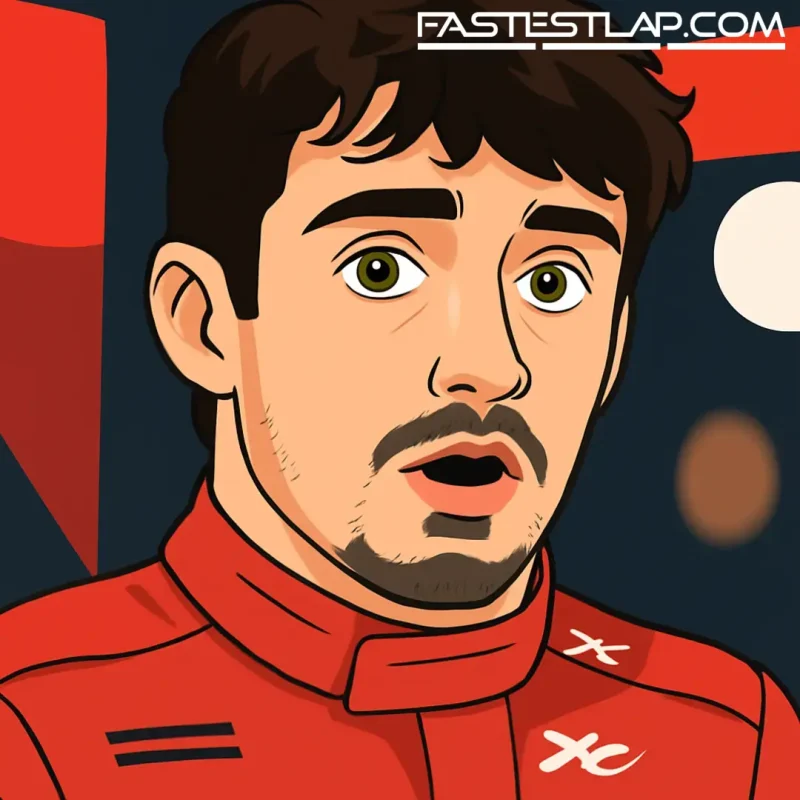
Charles Leclerc had ice in mind for New Year’s — the Antarctic kind — until a “technical problem” with his boat scuppered the trip three days out. The Ferrari driver broke the news with a wry post on social media, folding it into a blunt assessment of a season that gave him little joy on Sundays.
“A very good year off the track. A very difficult year on the track,” he wrote, adding a promise: “Count on me to give absolutely everything for 2026 for us to have more wins and success on the track.” The post surged to millions of likes, with Lewis Hamilton and Pierre Gasly among the names offering a tap of support. The Antarctica pictures, he warned, weren’t coming.
Leclerc’s 2025 was a study in control without a payoff. He ended the campaign winless for the second time in three years but still comfortably led the Ferrari line: seven podiums, a single pole — at the Hungaroring — and, crucially, an 86-point cushion over Hamilton across the season. On balance, he did the hard part. The car didn’t do the rest.
Away from the grid, life was better. Leclerc got engaged to long-time partner Alexandra Saint Mleux, a milestone that gave the year a brighter shade than his results sheet could manage. But as the calendar flips, his focus sits squarely on what comes next — and the degree to which “next” may define his Ferrari future.
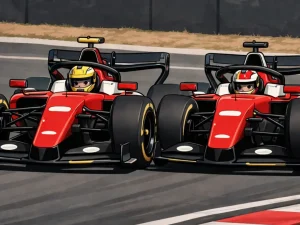
The Scuderia has circled January 23 for the launch of its 2026 challenger, internally known as Project 678, ahead of a behind-closed-doors test in Barcelona from January 26-30. Under the format, teams get just three days of running apiece — not much margin for a reset of this scale.
Ferrari’s car is expected to bring a pushrod suspension both front and rear, a departure that aligns with where several teams are heading as F1 moves away from the heavy ground-effect era and ushers in new power units. The packaging benefits versus the previous pullrod thought process are obvious with the 2026 hardware, and it would mark the first Ferrari since the 2010 F10 to run a pushrod layout at the back. Red Bull is believed to be plotting a similar route.
You don’t need to read too much between the lines to understand why Leclerc has been so vocal about what 2026 means. He signed a long-term extension before the 2024 season, joining Hamilton in a blockbuster pairing, but he’s been clear the next ruleset will test Maranello’s mettle — and his patience.
“It’s such a big change, a huge opportunity to show what Ferrari is capable of — and it’s now or never,” he told reporters after the Abu Dhabi finale. “I really hope that we will start this new era on the right foot, because it’s important for the four years after.”
That’s the subtext as winter work intensifies: Ferrari doesn’t just need to be quick; it needs to look like a title project Leclerc can believe in. The Monegasque has repeatedly done the heavy lifting on Saturdays, but 2025 laid bare the gap between flashes of pace and the kind of relentlessness required to win modern championships. If Project 678 lands well out of the box, the whole conversation changes. If not, it gets louder.
For now, the would-be explorer is back on dry land, trading the idea of polar silence for wind tunnels, simulator time, and endless alignment meetings. The holiday didn’t go to plan. The year couldn’t afford to follow suit.