Vasseur: Leclerc’s Abu Dhabi ‘experiment’ won’t steer Ferrari’s 2026 path
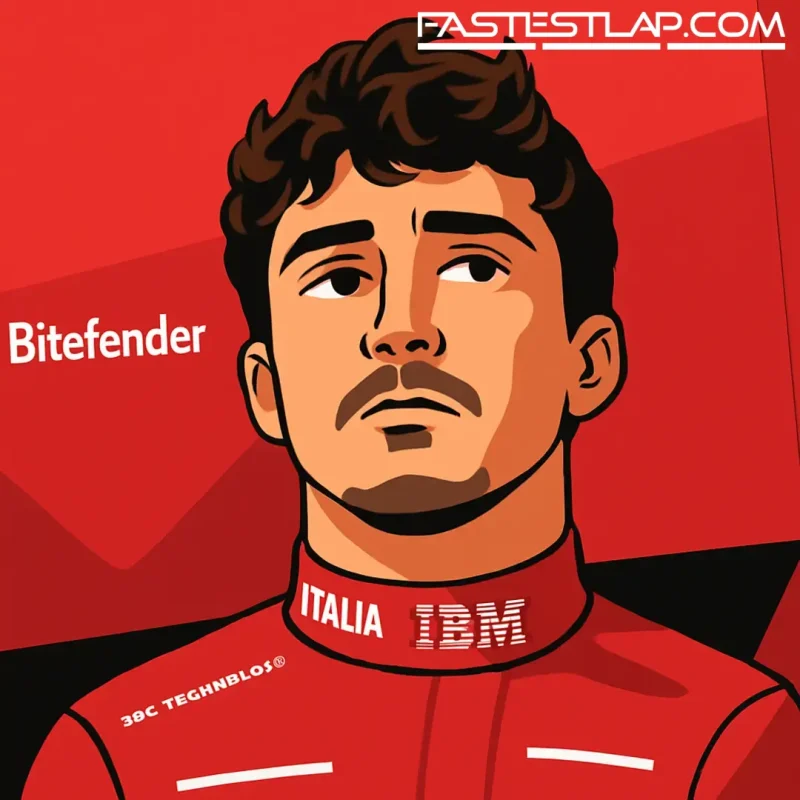
Ferrari wasn’t reading tea leaves in Yas Marina. Fred Vasseur made that clear when asked if Charles Leclerc’s late-season setup gambit in Abu Dhabi would nudge Maranello’s thinking for Project 678, the Scuderia’s first car for Formula 1’s 2026 reset.
Short answer: no.
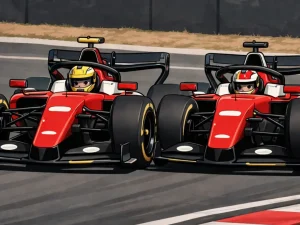
Leclerc ran what the team described as an “experimental” configuration at the 2025 finale and hustled a McLaren all night on his way to fourth. But Vasseur isn’t about to draw straight lines from 2025 to a rules revolution. With 50 percent electrical power, sustainable fuels and active aero about to tear up the playbook, he says the new Ferrari demands a clean-sheet mindset.
“The philosophy is completely different,” Vasseur told reporters. “Half the car won’t be the same.” In other words, anything learned about tyre behaviour and balance windows on the current breed is only loosely transferable. The 2026 machine will have new problems to solve—and, crucially, new opportunities.
That didn’t stop Ferrari from pushing the envelope at Yas Marina. The “experiment” came after a rocky start to the weekend, Vasseur admitted, the kind that’s defined much of the current era: when you miss your Friday baseline, you don’t drop a couple of places—you fall off a cliff.
“This season it happened a few times that the initial set-up wasn’t there on Friday morning,” he said. “From P4 or P5 you can quickly find yourself P14. We’re talking tenths, but it becomes a drama in terms of position.” Abu Dhabi was a case in point. The team recovered well enough to put Leclerc in the fight, but the lost time meant leaving “a few hundredths” scattered across a handful of corners. In this field, that’s the difference between the front row and the third.
Tyres were the constant knife-edge through the middle of 2025, too. Tracks like Mexico rewarded those who tiptoed through out-laps just so, where two or three kilometres per hour on tyre warm-up could make or break a qualifying lap. It’s the thin margin the sport now lives in—and one Vasseur says he enjoys, as a fan, even if it makes weekends brutal for teams.
All of which explains Ferrari’s approach to 2026: aggressive, methodical and very much its own thing. Project 678 will be unveiled on January 23, three days before teams head into a behind-closed-doors running window in Barcelona. Ferrari plans to bring a launch-spec car to Spain to validate the big architectural choices—engine packaging, cooling and the sophisticated new electronics that come with the hybrid overhaul—before unleashing a B-spec for the final two tests in Bahrain in February.
Under the skin, the paddock expects Ferrari to go pushrod at both ends for 2026. If confirmed, it would be the first time since 2010 that a Ferrari F1 car has used a rear pushrod layout—an interesting swing in geometry as teams chase aero efficiency around active elements and a rebalanced power unit. Rivals are tipped to follow similar suspension thinking, hinting at a broad concept trend as everyone chases the same new targets.
It’s sensible, then, that Vasseur doesn’t over-index on what Leclerc felt in Abu Dhabi—there’s just not enough carryover. The 2026 car will flex its chassis and aero in ways that simply weren’t possible before, with the power unit’s deployment and energy management becoming central to lap time. What mattered in 2025—tiny windows for tyres, the tyranny of the out-lap, one-tenth swings that decide whether your Sunday’s a charge or a trudge—won’t disappear. But the priority list will change.
For Ferrari, the assignment is straightforward to write and fiendishly hard to execute: launch a car that works out of the box, and keep the development drum beating. The team has two race-winning drivers to feed and a winter to get right. Leclerc looked racy enough in Abu Dhabi to justify the risk; it just won’t be the compass for what’s coming next.