Brown signals McLaren will keep ‘papaya rules’ for 2026 after double-title season
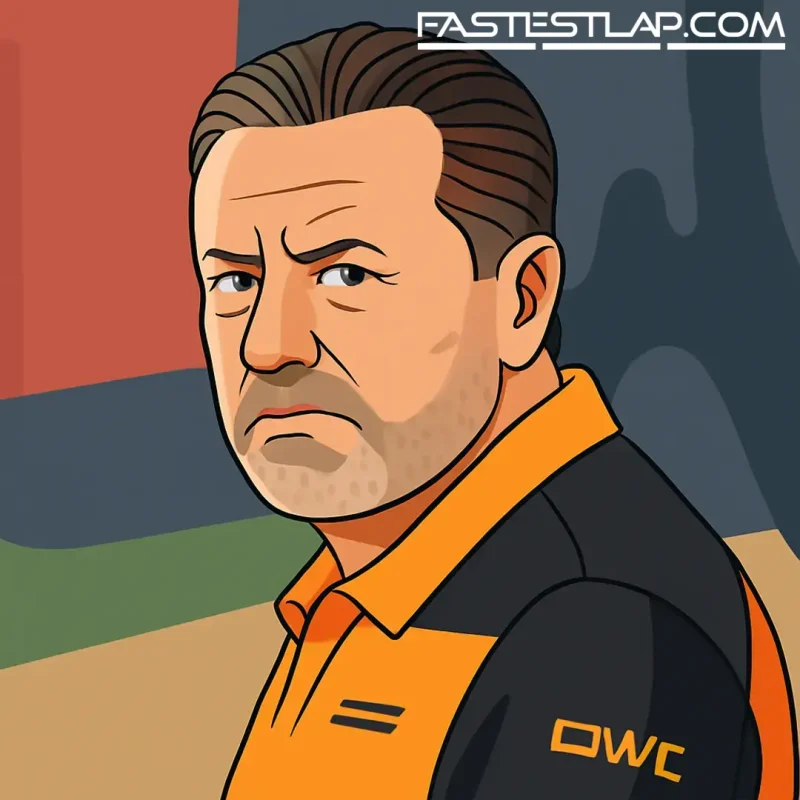
Zak Brown didn’t need a press release to make his point. Fresh off a year where McLaren pulled off its first drivers’ and constructors’ double since 1998, the CEO stood at the FIA prize-giving gala, basked in the glow, and effectively told the paddock: don’t expect team orders from Woking next season either.
“Fantastic season,” he said, beaming. “All the men and women at McLaren have done an unbelievable job, led by our two awesome drivers. To go into the final race with two drivers fighting for the world championship, when everyone said that couldn’t be done, I’m just very proud of how McLaren went racing — and that’s exactly what we plan to do next year.”
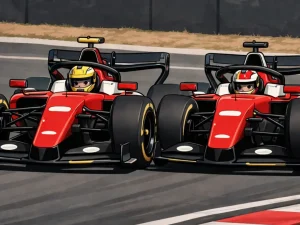
Next year meaning 2026, and “how McLaren went racing” meaning what’s become known inside the camp as the “papaya rules”: equal status for Lando Norris and Oscar Piastri, no built-in number one, no artificial swapping on Sundays. It’s a policy that asked its two stars to sort it out on merit — and one that survived more than a few flashpoints.
They took heat for it, too. Qatar was the lightning rod. Running first and third under an early Safety Car, McLaren left both cars out. Verstappen dived in, got the cheap stop, and nicked the strategic upper hand. Piastri salvaged second, Norris fourth, but the noise afterwards was loud: why keep it equal if the team’s costing itself wins? McLaren’s answer was simple and unwavering — this is how we race.
In the end, the scoreboard backed them. The team sealed the constructors’ crown with six races in hand, and Norris — who became Britain’s 11th world champion — wrapped the drivers’ title in Abu Dhabi, edging Max Verstappen by two points to become McLaren’s first champion since Lewis Hamilton in 2008. It didn’t come via team directions. It came via relentless development, clean execution, and two drivers allowed to go at it.
Andrea Stella, the calm at the center of it all, gave the drivers their flowers. “They are the ones that deliver the results, the points, the victories, the podiums, which ultimately made us the constructors’ champions,” the team principal said. “We are very, very proud of how the drivers conducted themselves, allowing McLaren to go racing. That’s what we do — we go racing — and we did it with equality and fairness, so thank you to Lando and Oscar.”
This wasn’t a token stance taken from mid-grid. McLaren’s philosophy held under the hottest lights, right down to a finale that could’ve justified picking a horse. They chose not to. And yes, that decision sharpened the edges. Norris and Piastri each led the standings at different stages and pushed each other into rare air; laps were uncompromising, radio messages occasionally spiky, and some strategy calls looked conservative in real time. But the Woking view is that the long game — trust in the box, clarity on the pit wall — underpinned a title bid that never cracked.
There’s also a cultural note here. The team that went a decade searching for itself now has a clear identity: ultra-aggressive on upgrades, unflustered in public, and entirely comfortable letting two elite drivers share the same sandbox. “When everyone said that couldn’t be done,” Brown reminded, you could hear the subtext: we did it anyway.
Keeping the papaya rules in 2026 will please the purists and keep Netflix very happy. It also raises the stakes. Norris, now a champion, won’t want concessions. Piastri, who matched him for pace more often than not, will want his swing at the crown. The margin between unity and friction can narrow when trophies are on the table, and the team knows it.
But after a season where McLaren won both championships on their terms, Brown’s message is crystal. No shortcuts. No stickers on the side of the garage. The papaya stays equal, and the drivers decide it.
That, as they like to say in Woking, is exactly how they plan to go racing.