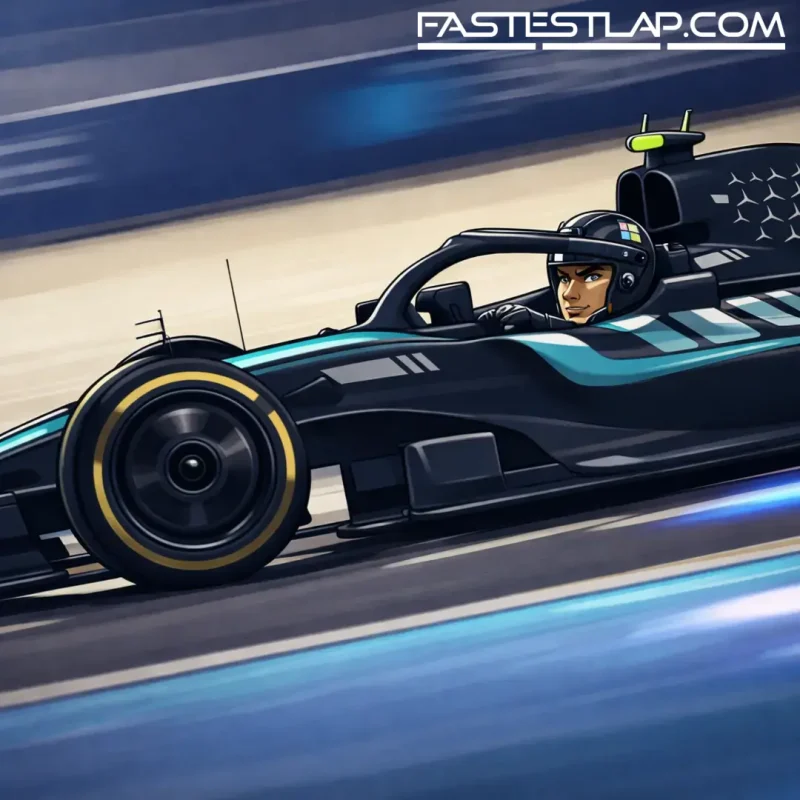
Mercedes has got its 2026 fuel signed off just in time for the season opener in Melbourne, ending a slightly awkward silence that’s hung over the paddock since Bahrain testing.
Petronas’ blend has been homologated by the FIA on the eve of the Australian Grand Prix, according to a report from The Race — a notable development given the rumours through testing that not every supplier had managed to tick every box before the first cars even turned a wheel in anger. In a year when power unit architecture, chassis philosophy and active aero are all being thrown into the same regulatory washing machine, fuel shouldn’t be the story. And yet here we are.
The context matters. F1’s new era doesn’t just mandate “sustainable fuel” as a marketing sticker; it drags the entire supply chain into the spotlight. The FIA has tightened the process with an independent verifier, Zemo, tasked with auditing not only what’s in the fuel, but where it came from, how it was processed, and what the lifecycle greenhouse-gas implications look like. That’s a very different exercise from the old routine of hitting physical and chemical parameters and passing a lab test.
That extra layer is precisely where the tension has been. In Australia this week, BP’s motorsport fluids technology lead Luc Jolly lifted the lid on how unforgiving the new system is — and, not accidentally, made it clear BP believes it’s ahead of the curve with Audi.
BP, via its Castrol brand, is Audi’s partner for 2026 after announcing a multi-year deal back in 2024. Jolly said BP secured homologation last month and claimed it’s “in good shape” going into its first race weekend with the new works operation. But it was the subtext that did the damage: he acknowledged “murmurs — perhaps more than murmurs” that others were finding the timeline tight, and noted that some suppliers had been “very quiet still”.
You don’t have to be especially cynical to hear the competitive edge in that. In the first week of a new rule set, everyone is desperate to project competence and readiness, and nothing says “we’ve got our act together” quite like casually pointing out that others might not.
Jolly’s description of the homologation maze explains why the late approvals have become a talking point. The old process remains — the defined fuel spec, the lab work, the boxes to tick — but the sustainable component now comes with scrutiny that stretches right back to the feedstock. Choose a raw material that hasn’t been used before and an FIA-appointed auditor (not an FIA employee, he stressed) may need to travel to inspect the source in person, then follow the trail all the way through production, blending, and ultimately delivery to a race like Melbourne. Every step is checked against what the FIA has defined as acceptable.
“Super rigorous,” was his summary. “Pretty full on,” too.
For Mercedes, the timing is the headline. Petronas has been welded to the team’s modern identity since the factory squad’s return in 2010, not just as a fuel supplier but as the title partner. When your branding is literally on the name, you don’t want the first week of a new technical era dominated by questions about whether the fuel is cleared to race.
The bigger point is that fuel homologation has quietly become one of the early pressure tests of this regulation cycle — not for lap time, but for operational readiness. Teams can hide a lot in testing: sandbagging, run plans, temperatures, engine modes. You can’t really hide whether your fuel is approved.
And while Petronas getting over the line should settle any immediate speculation around Mercedes’ readiness, it also reinforces something teams have been muttering privately for months: the 2026 reset isn’t just a design challenge, it’s a project-management one. Power units are new, cars are new, and now the fuel supply chain needs to be squeaky clean under external audit. That’s an extra axis of risk for everyone — especially those who left any part of the process late.
For Audi and BP, it’s a neat early win in the battle for perception, even before the stopwatch starts to matter. For Mercedes and Petronas, it’s more of a relieved exhale — the kind you take when you know the first race weekend is stressful enough without your fuel becoming a paddock parlour game.
Either way, it’s a reminder that F1’s “new era” isn’t just about what happens on track. It’s about what you can prove off it.