Colapinto relishes first full winter with Alpine as 2026 reset looms
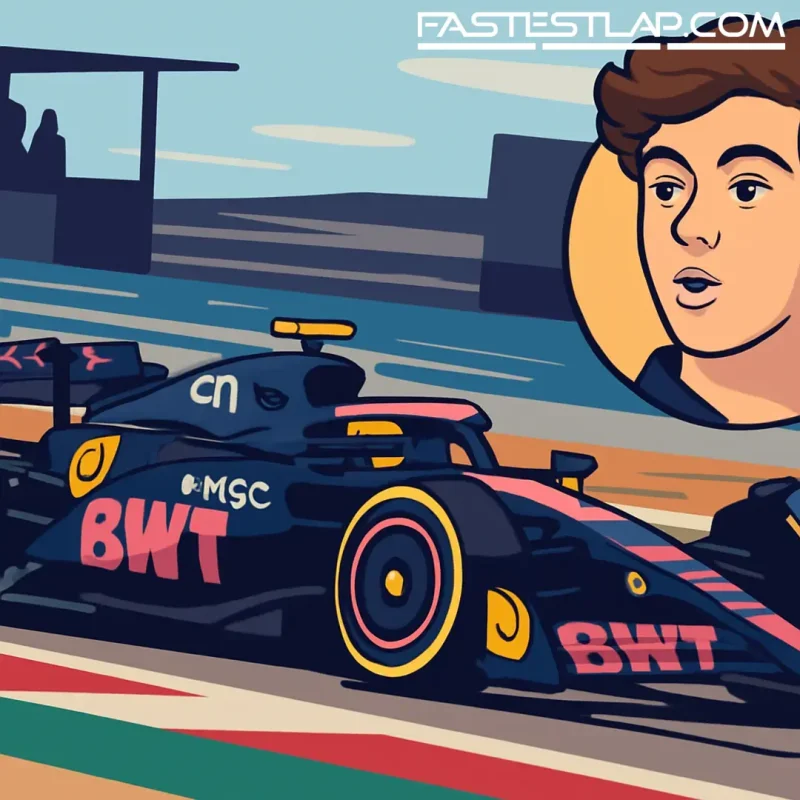
Franco Colapinto’s 2025 was all elbows and firefighting: drafted into Alpine after six rounds, no pre-season mileage, and a capricious A525 that didn’t let either driver sniff the points with any regularity. Now he finally gets something he’s never had before in F1 — a proper winter with the team he’ll race for — and he sounds genuinely buoyant about what’s coming.
“I’m really looking forward to 2026,” he said as the curtain fell on the 2025 season. “Starting with a pre-season test, being able to work with a car from scratch… it’s quite different from coming in mid-year. It’s gonna be very helpful.”
You don’t need to squint to see why Alpine are talking up 2026. Enstone wrote off deep development on the A525 early, diverting resources to the rules reset and a big-picture power unit shift: goodbye to the Renault works programme, hello to Mercedes power. That, plus the blank sheet technical regs, hands teams a rare chance to clear out old sins — and Alpine believes it’s done exactly that with the A526.
Colapinto says the new car addresses “a lot” of the weak spots that hobbled 2025. “More than anything, it is focusing on ourselves, just fixing all the issues that we had this year,” he explained. “We’ve been working on specific areas of the car that have been a bit weak. Knowing that we improved those makes me quite confident that we’re gonna be stronger.”
The excitement isn’t blind. It’s more measured, shaped by a bruising first campaign at Alpine that yielded no points for the Argentine after he stepped in to replace Jack Doohan mid-season. Even the experienced Pierre Gasly spent much of ’25 scrapping on the fringes, so Colapinto’s year became a sprint to get comfortable in a car that rarely rewarded you for doing so.
“It’s very simple. From the lows is when you learn the most,” he said. “Since I joined, we’ve taken big steps to help me feel better and more comfortable with the car, not giving up and keeping pushing in the difficult moments. What impressed me was the team’s motivation — week after week, even when it wasn’t going well. When the car is competitive, that will bring a lot of cool results. They deserve it.”
Inside the garage, the message is equally pragmatic. Managing director Steve Nielsen called it straight: “At the end of the day, that’s the stopwatch.” Still, there are encouraging signs. “The chassis has passed its crash tests. It’s lighter, it’s stronger. Looks good, but every team that builds a new car will tell you it’s good. What actually decides it is what happens on the circuit.”
Racing director Dave Greenwood says Alpine is “absolutely on plan” heading into the January 23 launch, ticking off milestones and wrestling with the same aggressive 770kg minimum weight target as everyone else. “It’s challenging,” he admitted, “but not unachievable. We’re happy we’re doing the best job we can to hit it.”
If you’re hunting for a tangible difference-maker for Colapinto personally, forget aero maps and suspension kinematics. It’s rhythm. From January 1, he’s effectively moved into Enstone, clocking simulator laps, building that language with his engineers, and gearing up for pre-season in Barcelona and Bahrain. It’s the unglamorous slog that turns a mid-year stand-in into a starter who knows where the car needs to be before the first push lap.
“Especially for the new ones, we enjoy that,” he said of the workload. “We need that extra running and experience. Hopefully the car is competitive and we can be up there.”
There’s no shortage of caveats. The 2026 rules will shuffle the order and somebody will inevitably get it very right. Alpine believes it’s found the “headstart” that comes from focusing early, and there’s logic to that — but as ever, belief doesn’t move you up the grid unless the stopwatch agrees.
Still, in a sport that punishes catch-up merchants, Alpine and Colapinto finally get to start level with everyone else. That alone should make them harder to ignore when the lights go out on F1’s new era.