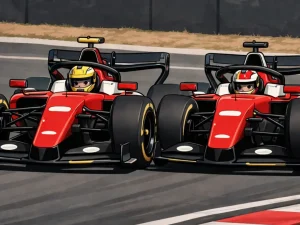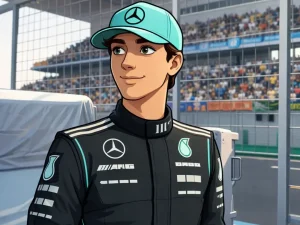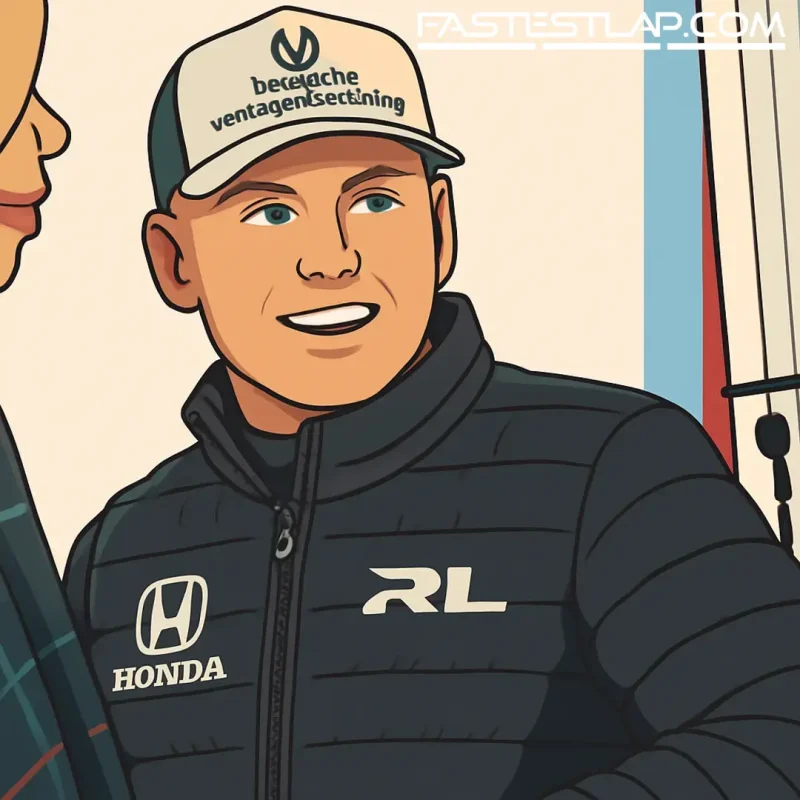
Mick Schumacher is going all-in on IndyCar. The former Haas F1 driver will join Rahal Letterman Lanigan Racing for 2026 and, crucially, he’s signed up for the whole thing — ovals included. That’s a bold call given the family history: both his father Michael and uncle Ralf have called the series “too dangerous” in years past.
Schumacher, who’s spent the last couple of seasons in F1’s shadows as a reserve at Mercedes and McLaren while keeping sharp in sportscars, says the pull back to single-seaters proved too strong to ignore.
“Ultimately, it was interesting to exploit that single-seater route again and be more settled in it,” he said. “IndyCar was the best option. I wouldn’t be here if I wasn’t 100 percent committed.”
The commitment extends to the parts that spook plenty of European racers at first: superspeedways and walls. Romain Grosjean skipped ovals in his IndyCar rookie year. Max Verstappen has said they don’t appeal. Schumacher’s taking a different view.
“I didn’t want to do a half thing. Ovals are part of it,” he said. “Motorsport as a whole is dangerous, so I don’t really see why that one thing should be more dangerous than anything else. There have been multiple things to make oval racing, or just racing in IndyCar, safer. We’ve had a lot of conversations about that and they were positive in my ears.”
Those conversations would’ve included family opinions that are, let’s say, less than enthusiastic. Michael Schumacher’s assessment of IndyCar from 2002 has resurfaced since Mick’s decision: “It’s a step down from Formula 1, and second, it’s too dangerous,” he said then, pointing at the speeds and proximity to concrete. Ralf Schumacher, speaking before Mick’s earlier test with RLL on the Indy road course, said he didn’t understand the lure and wouldn’t let his own son race there.
Mick, though, isn’t hedging. He’s talked to people “with good and bad views,” took the average, and signed on. Read between the lines and you sense a driver who’s had his fill of waiting for an F1 opening that isn’t coming right now, and who wants the cut-and-thrust of a series where the driver can move the needle week to week.
RLL has mapped out a thorough acclimatization plan. The team will put Schumacher through a broad test program ahead of 2026: four oval tests, two road courses, and one street course, expected to be Sebring, with several dates already locked in. It’s the right way to do it — give him reps on everything, then let the race craft do the rest.
He’ll line up alongside Graham Rahal and Louis Foster, a pairing that gives him an experienced hand on one side of the garage and a hungry young charger on the other. Expect Rahal to be the voice of reason on the ovals and, if we’re honest, a handy benchmark on the short tracks.
There’s context to all this, of course. Schumacher left the F1 grid at the end of 2022 after two seasons with Haas. Since then he’s been on standby at Mercedes and McLaren while keeping a competitive edge in endurance racing. He’s stayed sharp, but he’s also stayed patient. IndyCar offers something Formula 1 doesn’t at the moment: a full-time seat, a level playing field relative to F1’s budget and aero divides, and a calendar that still rewards bravery as much as simulation.
Is it dangerous? Yes — like all top-level motorsport. IndyCar has made meaningful safety gains over the last few years, and drivers now talk about the balance of risk and reward rather than avoiding it altogether. Schumacher’s position lands squarely there: eyes open, risk accepted, let’s go racing.
If you’re looking for the immediate markers of success next year, watch for three things:
– How quickly he adapts to fighting in dirty air on short ovals.
– Qualifying pace on street circuits — a good bellwether for confidence in the car on the limit.
– Race restarts, where IndyCar races can swing wildly and rookies often learn the hard way.
There’ll be noise around the family name, as there always is with a Schumacher. But this move reads like Mick choosing his own path. It’s decisive, and it puts him back where he wants to be: in a cockpit every other weekend, with a stopwatch ruling the conversation.
RLL’s plan is clear. The driver’s intent is clear. Now comes the fun part — miles, data, and a first run at the speedways that define IndyCar’s character. For all the talk, there’s only one way to answer the question that’s been trailing Mick since Haas: how good can he be when the lights go out and the walls creep in?
We’re about to find out.