Paddock Notes: Russell’s safety net, McLaren’s tinkering, Marko’s déjà vu, Aston’s call, and why Sainz got stung twice
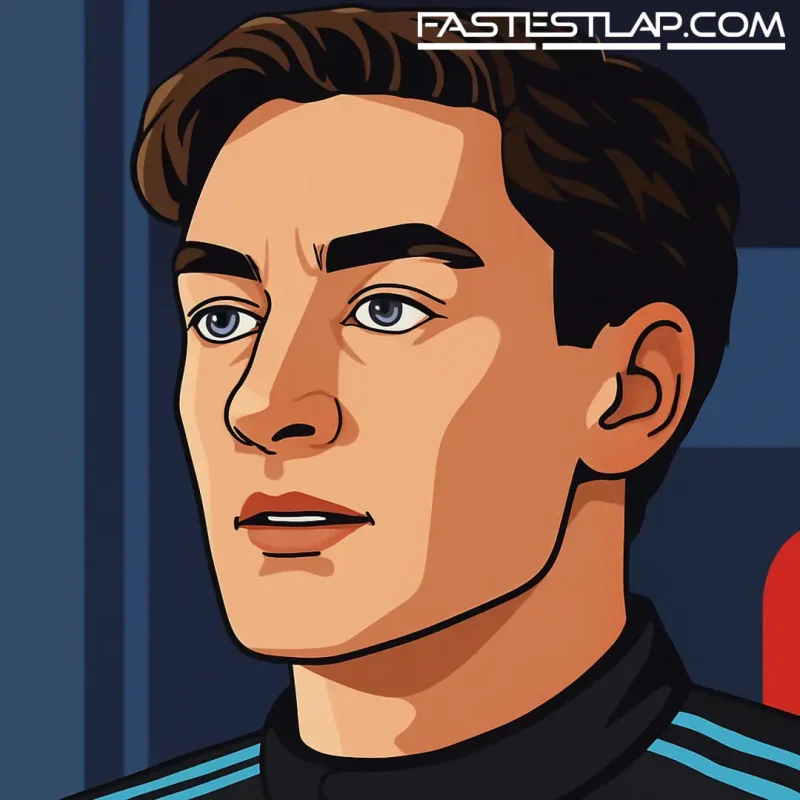
George Russell’s future at Mercedes has a new layer of security — and it’s tied to 2026. The Brit has confirmed his fresh deal with the team includes a specific performance-triggered clause that effectively keeps him in silver should he hit agreed targets in the first year of F1’s next rules cycle.
Mercedes recently settled any near-term uncertainty by locking in Russell alongside rookie teammate Andrea Kimi Antonelli for next season, but kept the fine print out of public view. Russell’s admission makes it clear this isn’t just a straight multi-year guarantee; it’s a bet on himself when the new era kicks off. It also tells you how Mercedes are thinking: keep options open through the regulation change, but back the driver you believe will lead you out the other side.
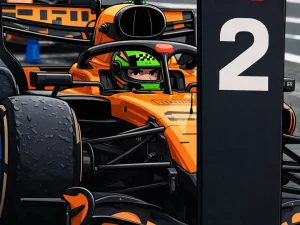
Over at McLaren, Oscar Piastri says he and the team “tried a lot of different things” in Mexico to drag themselves out of a scruffy stretch. It wasn’t a disastrous weekend, but fifth at the flag didn’t exactly scream corner turned. The Australian’s rougher run has been linked internally to how his driving style meshes with low-grip conditions — the kind Mexico loves to serve up — and he gave off the vibe of a driver determined to test the limits of setup and approach rather than hide behind easy excuses.
The broader picture at Woking remains intriguing. Piastri’s step is undeniable, but Lando Norris continues to make the most of Sundays, and that balance of raw speed versus race-day polish is tilting the title narrative their way as we head into the run-in. If Piastri’s experiments in Mexico were the start of a fresh baseline, we’ll know soon enough.
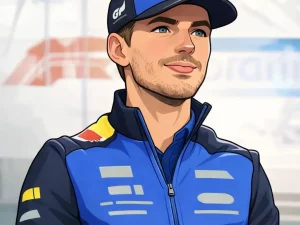
Then there’s the old flame that never dies: Max Verstappen versus Lewis Hamilton. They found each other again in Mexico and, predictably, it got messy. Hamilton was hit with a 10-second penalty for leaving the track and gaining an advantage in their duel, which kept the stewards busy and brought the pundits out in force. Red Bull adviser Helmut Marko couldn’t resist framing it as more of the same: when those two go wheel-to-wheel, something tends to give. It’s 2025, but the muscle memory from 2021 appears evergreen.
Aston Martin, meanwhile, quietly closed one speculative door in the driver market. The team has appointed American youngster Jak Crawford as its third driver for 2026, a tidy vote of confidence after his composed FP1 outing in Mexico, where he subbed for Lance Stroll. It also effectively shuts down chatter linking Yuki Tsunoda with a future Aston role, at least in the near term. For Lawrence Stroll’s outfit, it’s a sensible long play: get a promising junior embedded early for the next cycle, and keep succession planning in-house.
In the fine-print department, Mexico also served up a rare double-hit of pit-lane pain for Carlos Sainz. Two separate penalties for speeding in the pits looked careless on paper; in reality, Ferrari’s Spaniard was caught out by wheel-rim sensor damage from first-lap contact with Liam Lawson. The initial five-second slap for speeding in his first stop was followed by a drive-through for the same offence in his second — the sort of nightmare scenario teams dread when marginal components take a knock and the car doesn’t quite know how fast it’s going. It’s a reminder that modern F1 is a million systems working in harmony, until one tiny piece ruins your Sunday.
What to take from all this?
– Russell’s clause is clever for both sides. He gets leverage and clarity into 2026; Mercedes keep performance as the currency that matters. It’s the kind of mechanism big teams love when rules reset.
– McLaren know exactly where they’re hunting for gains. If Piastri’s low-grip window opens up, expect the intra-team pendulum to swing back his way. Until then, Norris holds the cards on race day.
– Verstappen vs Hamilton remains box office, penalties and all. The names, the history, the ruthlessness — it still crackles, and there’ll always be a split jury.
– Aston Martin’s Crawford call is about timing and trust. He’s quick, composed, and now embedded. For Tsunoda watchers, that path looks closed.
– Sainz’s double penalty wasn’t sloppiness. It was the cruel edge of F1’s sensor-reliant reality after lap-one chaos. Fix the data, save the day — easier said than done at 300 km/h.
Next stop: a paddock that’s growing tenser by the hour. Contract clauses, setup gambles, and familiar rivalries — all of it pointing toward a proper crescendo as the season winds down and 2026 looms.