Mercedes starts 2026 with a new badge — and a clear message
Mercedes has rolled out a new team logo ahead of its W17 launch, a neat bit of symbolism as the Silver Arrows pivot from a bruising ground‑effect era to F1’s next big rules reset in 2026.
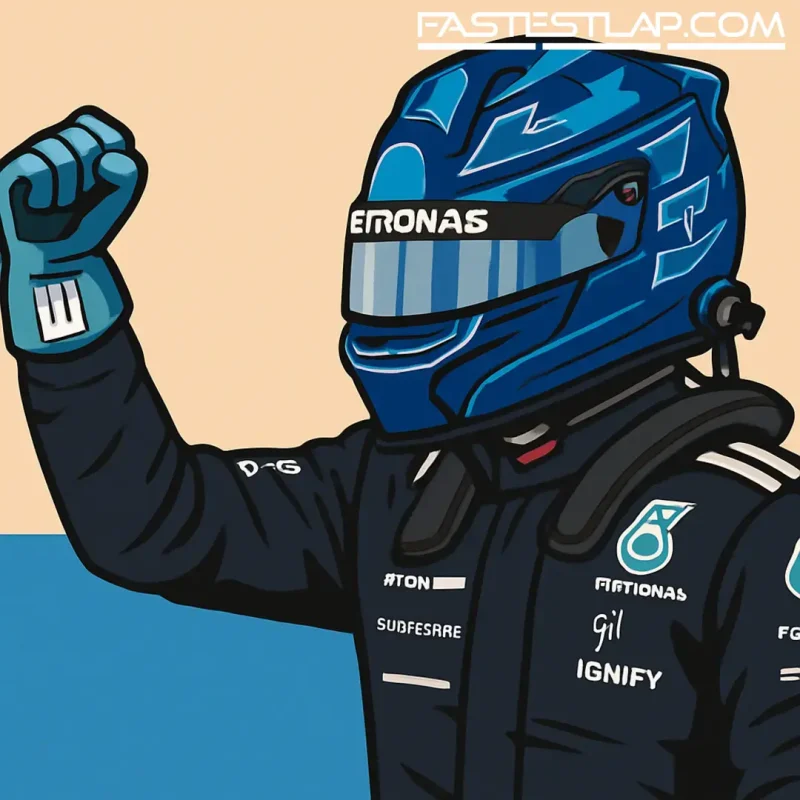
The fresh mark keeps the familiar palette that’s defined the team for much of the last half‑decade: black, white and the Petronas teal. Read into that what you will. Mercedes doesn’t do flashy mood boards or manifesto videos; it prefers signals. This one says continuity of identity, even as the hardware — and the sport itself — gets a major rewrite.
Across eight straight constructors’ crowns from 2014 to 2021, Mercedes made success look routine. The drivers’ run in that stretch, shared by Lewis Hamilton and Nico Rosberg, set the bar for a modern F1 dynasty. Then came the 2022 regulations and the slide: four seasons, six wins. Not a collapse, but not the Mercedes that used to crush Sundays before lunch.
Last year hinted at a turn. George Russell snagged two victories and dragged the team to second in the constructors’ standings behind a rampant McLaren, according to the 2025 season tallies. Hamilton, now a Ferrari driver, was the headline of the year for obvious reasons, but it was Russell’s grind that quietly steadied Brackley.
All of which frames 2026 rather nicely. F1’s new regulations usher in 50 percent electrification, fully sustainable fuels and active aero — an enormous reset for power units and car philosophy. In the paddock, the whisper is that Mercedes is further along than most with its 2026 project. There’s been talk of clever interpretations in the engine rules, the kind of thing that matters when the stopwatch starts calling the shots again. No-one at Brackley is saying much, which usually tells its own story.
The logo switch also tees up a livery conversation fans obsess over every winter. Mercedes turned black in 2020 in the wake of global anti‑racism protests, returned to silver in 2022, went back to mostly black in 2023, and split the difference in 2024 and 2025. Expect the teal to keep doing the heavy lifting, with black and silver fighting for screen time. The new badge suggests the brand book isn’t getting thrown out with the wind tunnel offcuts.
On the driving side, Mercedes looks set for a clean, sharp pairing when the W17 breaks cover for the 2026 season: Russell alongside Andrea Kimi Antonelli, the highly touted graduate stepping into a seat that has minted champions before him. It’s the sort of blend — proven race-winner plus raw speed — that’s served this team well.
Launch timing? Not yet confirmed. Mercedes plays those cards close. What we do know: there’s a behind-closed-doors test pencilled for Barcelona from January 26–30, then two official pre-season tests in Bahrain before the current campaign rolls into the Australian Grand Prix on March 8. Between now and then, expect more hints, fewer answers, and the occasional studio-lit tease of carbon and teal.
Strip away the gloss and a new logo is just a new logo. But in F1, where perception bleeds into pressure, and pressure into performance, these things are never entirely cosmetic. Mercedes has pressed the reset button with intent. After four years of chasing, the badge says they’re ready to lead again. Now the W17 has to do the talking.