F1 orders stealth liveries for hush‑hush Barcelona shakedown as 2026 era dawns
Formula 1 is kicking off the 2026 revolution behind frosted glass.
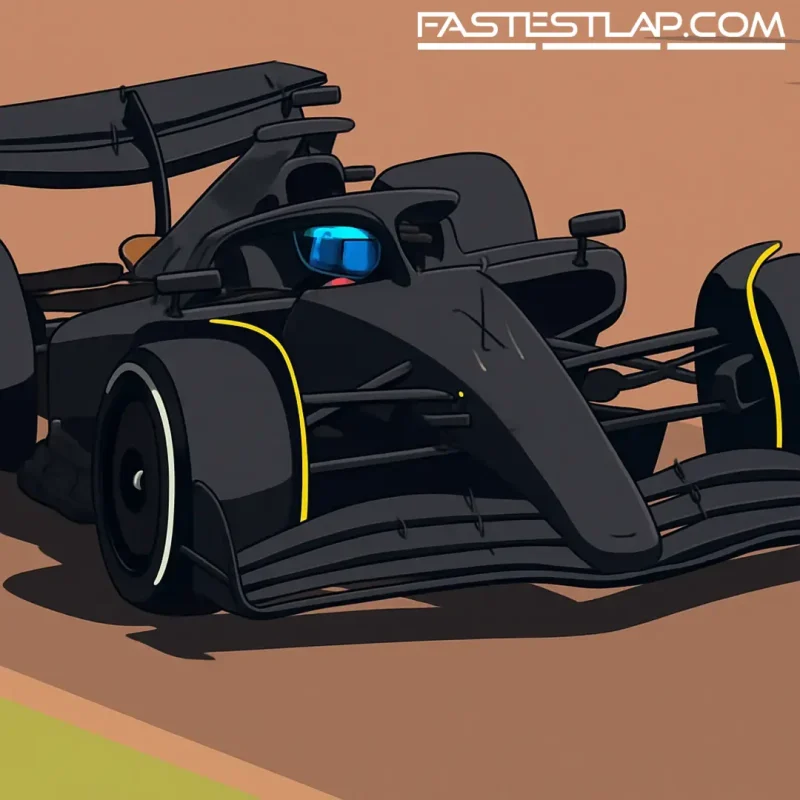
Teams have been told to keep their colours under wraps at the “closed doors” Barcelona test on January 26–30, with F1 requesting plain or camouflaged liveries for any squad that hasn’t formally launched its 2026 look. It’s a cloak-and-dagger start to the biggest rules reset in decades—and very much by design.
The five-day Barcelona running is the first official track action of the new era, but it won’t be a spectacle. Each team can run on any three days of the window, away from fans and TV cameras, to de-bug cars that share almost nothing with their 2025 predecessors. Expect it to feel more like a shakedown camp than a pre-season show: quiet garages, engineers buried in data, and very little to see on the outside.
That secrecy stretches to the paint. With Bahrain set to host two televised tests shortly after Barcelona—and understood to pay handsomely for the privilege—F1 wants the first “true” look at the new machines in full race livery to happen under the Sakhir lights. Hence the guidance: go bare or go camo in Spain, save the launch spec for the desert.
You’ll still get crumbs. Official output from Barcelona is expected to be sparse, limited to short social clips and interviews rather than on-track footage. Don’t bank on slick multi-hour live feeds or sector times trickling across the ticker. If you’re hoping to study front wing pivots frame-by-frame, you’ll be waiting a couple more weeks.
The test itself is necessary. The 2026 cars are shorter, lighter and built around a sweeping technical reset that hits both chassis and power units. The new PUs shift the balance towards electrical energy—around half the total output—while the cars gain moveable aerodynamics and selectable wing/power modes to promote racing without DRS. It’s a radical toolbox, and it will ask as much of the software as the hardware. Giving teams three quiet days to chase gremlins is simply pragmatic.
Fans will still get a taste of the future before Bahrain. The FIA carted a 3D-printed 2026 spec model to Abu Dhabi as part of a broadcaster briefing, a helpful prop to explain why these cars look and behave differently. And at least one team is leaning into the camo phase: Williams is letting supporters vote on the test design it’ll run in Barcelona and then carry into the first Bahrain outing.
Key details at a glance
– Barcelona shakedown: January 26–30, behind closed doors; teams can run any three of the five days.
– Livery guidance: plain or camouflaged if the 2026 scheme hasn’t been unveiled; save the full look for Bahrain.
– Broadcast/content: heavily limited; expect short social posts and interviews, not live on-track coverage.
– Bahrain tests: February 11–13 and February 18–20, the first televised showcases of the 2026 cars.
On paper, it’s the cleanest break F1 has attempted in the hybrid era. Moveable aero and energy deployment will redefine how drivers attack each phase of a lap—and each other. The removal of DRS as we know it puts the onus back on craft and timing, while the lighter, smaller footprint should help cars breathe in traffic. That’s the vision, anyway. The trick is getting 10 sets of brand-new ideas to run consistently before the world tunes in.
Barcelona, then, is where the sport does its homework with the blinds down. The first time we’ll really meet the 2026 grid—liveries, launch specs, and all the trick bits teams are willing to show—will be in Bahrain. Bring patience. The payoff should be worth it.