EA and Codemasters hit pause: no standalone F1 2026 game, “strategic reset” underway
The annual F1 game treadmill is finally lifting its foot. EA Sports and Codemasters have confirmed there won’t be a standalone F1 2026 title, ending a run that’s been uninterrupted since 2009. Instead, F1 2025 will carry the franchise through next season with a paid, premium content update — and then the series will relaunch in 2027 with what the studio says will be a very different beast.
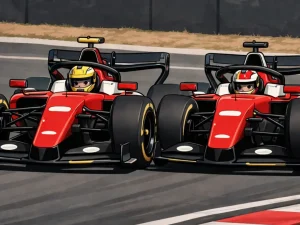
In practical terms, that means F1 2025 becomes the base for two seasons. Players on PS5, Xbox Series X|S and PC will be able to bolt on a 2026 expansion that brings the sport’s sweeping regulation changes to life: the new-look cars with active aero, the next-gen hybrid power units, updated sporting regs, plus refreshed teams and driver rosters for the new year. Pricing hasn’t been announced, and you’ll need to own F1 2025, have an EA account, an internet connection, and all updates installed to access the pack.
Codemasters is calling the move a “strategic reset” — a phrase that tends to set off equal parts curiosity and cynicism in the fanbase. But you can see the logic. Building a brand-new game around a wholesale rule overhaul in the sport, while also reinventing long-standing tech under the hood, is a recipe for crunch and compromise. Taking a breath in 2026 buys the studio time to rework fundamentals and avoid shipping a half-baked 1.0.
“F1 25 has been an incredible success, fueled by the passion of fans and the energy of the sport,” said Lee Mather, Codemasters’ senior creative director. “With Formula 1’s momentum on and off the track, now is the perfect time for us to look ahead and build for the future. We’re fully committed to the EA Sports F1 franchise. Our multi-year plan extends this year’s excitement with the 2026 expansion and reimagines the F1 experience for 2027 to deliver even more for players at every level around the world.”
This is the fifth F1 release since EA acquired Codemasters in 2021, and it’s the first time the publisher has deliberately moved off the yearly conveyor belt. If you’ve been around the genre long enough, it’s not a shocking shift. Sports games are increasingly experimenting with live-service cycles and bigger, less frequent leaps. The promise here is clear: a 2027 launch that “looks, feels, and plays differently,” built with space to breathe and a regulation set that’s already bedded in on track.
For players, the question is what that 2026 pack actually feels like. Beyond the headline items — the active aerodynamics, the revised energy deployment, the new balancing act of power and drag — the real test will be how convincingly Codemasters layers those traits onto the existing F1 2025 handling model. If the studio nails the aero behavior, braking characteristics, and energy management that define the new rules, the pause will feel smart rather than stingy.
That said, expect a touch of grumbling. Part of the ritual for this community is the fresh-start career save and the “new season, new disc” rhythm. Taking that away for a year puts pressure squarely on the quality of the premium update and the breadth of its changes to keep the ecosystem lively through 2026. It also ups anticipation — and scrutiny — for 2027. Promises are the easy bit; making something that genuinely plays differently is where the hard work begins.
From a series-history standpoint, this is a notable pivot. Codemasters has shipped an F1 game every year since taking the license in 2009. The decision to hold fire on a boxed 2026 entry suggests the team wants to step off the upgrade treadmill and come back with a retooled platform rather than another iteration on the same spine. With the sport itself undergoing a facelift, syncing the franchise’s big reset with F1’s new era makes a certain amount of sense.
For now, the message is simple: keep F1 2025 installed. That’s your gateway to 2026’s cars, drivers, and regs when the premium content lands, and the bridge to whatever Codemasters is cooking for 2027. If the studio uses the time wisely, the franchise could emerge with a sharper identity and a physics model that finally feels as ambitious as the rulebook it’s trying to simulate. If not, well, there won’t be anywhere to hide. Either way, the next lap is a big one.