Kimi Antonelli has gone quiet online after a bruising Qatar Grand Prix weekend that ended with death threats, conspiracy chatter and, eventually, a public apology from Red Bull.
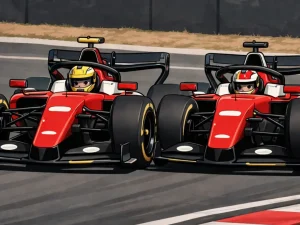
The Mercedes rookie finished fifth at Losail after a late slip at Turn 10 opened the door for Lando Norris to snatch fourth on the penultimate lap. Up to that point, Antonelli had been excellent — on for a shot at Carlos Sainz’s Williams for the final podium place and keeping the championship leader bottled up behind him. Then came one mistake on dusty rubber, a second bobble as he tried to gather it up, and the story turned ugly.
Within hours, Antonelli’s social profiles went dark and his avatars switched to black. According to team sources, more than 1,100 of the most severe messages — including death threats — were flagged by Mercedes’ community tools on the driver’s accounts, with several hundred more on the team’s own channels. The pattern was depressingly familiar: a split-second on track becomes a torrent of bile off it.
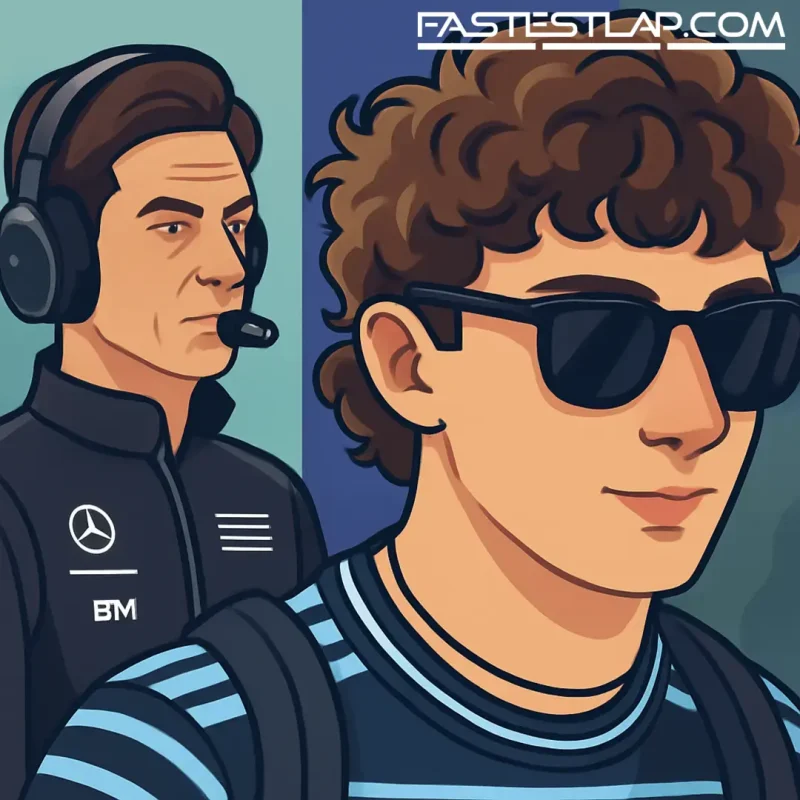
The spark? A live radio message to Max Verstappen, with race engineer Gianpiero Lambiase suggesting Antonelli might have let Norris through — a theory rooted in the fact McLaren runs Mercedes engines. Red Bull advisor Helmut Marko repeated the implication in the media pen. It didn’t take long for that insinuation to metastasize online.
Mercedes boss Toto Wolff shot it down and, frankly, sounded weary doing it. Interfering in a title fight, he argued, would be nonsensical given Mercedes’ positions in the standings and Antonelli’s own race target. He also spoke with Lambiase post‑race to clear the air; emotions were running hot with championship math in play, and context tends to arrive a few minutes after the chequered flag. The telemetry — and the onboards — showed what Antonelli said himself: he lost the rear, ran wide, and paid for it.
To their credit, Red Bull rowed back. Marko later acknowledged he’d taken a second look and conceded it was a simple driving error, not a handover, adding regret for the blowback the teenager received. The team issued a formal statement too, acknowledging that suggestions of a deliberate move were “clearly incorrect” and expressing remorse that the chatter had fueled abuse.
That apology matters. So does the sport’s wider effort to put teeth behind its anti‑abuse stance. The FIA’s United Against Online Abuse initiative has been building the capability to trace and pursue the worst offenders, and the governing body has made clear it’s prepared to take cases as far as prosecution when threats cross legal lines. It won’t stop every bad actor. It might make a few think twice.
Strip away the noise and the Qatar picture is simple. Antonelli drove a sharp race, put himself in the conversation for a podium against seasoned operators, and then made a rookie‑level mistake under intense pressure with the title leader on his mirrors. It happens — especially at Losail, where a thin line between grip and dust punishes even the smallest misjudgment.
What shouldn’t “happen” is the rest of it. A kid who’s moved through the junior ladder like a metronome and is now scrapping at the front for Mercedes doesn’t deserve to be a lightning rod for fantasies about inter‑team collusion. And he certainly shouldn’t need a digital black‑out to get through a Monday.
If this season has taught us anything, it’s that the 2025 title fight is tense enough without shadowboxing. Leave the elbows out on track. Off it, the sport and its fans can choose to be better — and, increasingly, there’ll be consequences for those who won’t. For Antonelli, fifth place in Qatar should read as another data point in a rapid learning curve. Unfortunately, it’s the aftershock that will be remembered this week.