Paddock Notes: Marko vs Horner ignites, Ferrari shrugs off Hamilton’s ‘rage’, and FIA rookie call sparks debate
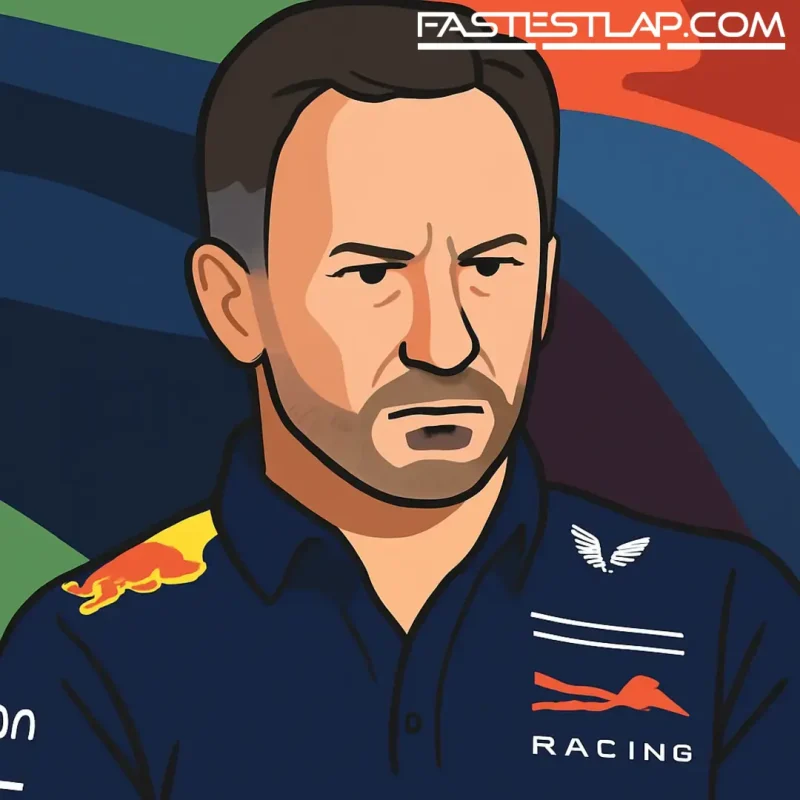
Red Bull may be rewriting its org chart, but the old battles aren’t going quietly. Helmut Marko has aimed fresh fire at Christian Horner, accusing the former team boss of “lying” in a striking broadside that underlines how sour the divorce has become.
Marko’s comments land in the same week Red Bull GmbH confirmed the veteran advisor’s exit after more than two decades guiding the team’s driver pipeline and competitive edge. Horner, meanwhile, was sacked in the aftermath of the British Grand Prix at Silverstone, ending one of the most dominant tenures the sport has seen. It’s a remarkable double departure for the outfit that defined the last era; the subtext is clear: this isn’t just a handover, it’s a power vacuum.
What happens next is anyone’s guess, though the timing suggests key 2026 decisions were already in motion. For now, the shots continue to fly in public. It’s messy, and very F1.
Behind the garage door: Haas up close in Qatar
PlanetF1.com spent Qatar’s Friday inside the Haas bunker, observing FP1 in Lusail as the team warmed up for a sprint weekend. The detail from the floor is always revealing: the choreography of mechanics and engineers, the quiet eye contact before a setup change, the controlled urgency when the clock starts ticking. It didn’t translate into points, though. Esteban Ocon came home 15th and Oliver Bearman retired, closing a weekend that started promisingly but fizzled as the balance drifted and the midfield pack squeezed tight.
Ferrari’s Vasseur cools Hamilton narrative
Over in red, Fred Vasseur isn’t engaging with the theatre. Asked about Lewis Hamilton’s candid admission in Abu Dhabi that he’s been carrying “an unbearable amount of anger and rage,” the Ferrari team principal waved away the noise from the TV pen and team radio. Vasseur’s line is simple: he listens to drivers in the debrief, not the broadcast. It’s a sensible stance after a bruising first season together in which Hamilton didn’t make the podium and ended the year with four straight Q1 exits. The tone from Maranello is pragmatic rather than panicked, as it usually is under Vasseur.
FIA Rookie call: Camara over Hadjar
Friday’s FIA prize-giving produced one of those eyebrow-raising footnotes that’ll live on in group chats through the winter: Rafael Camara took home Rookie of the Year for 2025, with Isack Hadjar overlooked. On merit, there’s a strong argument for Camara — an F3 title at the first attempt is the kind of clean execution that makes junior CVs sing, and he’s moving to F2 in 2026.
But Hadjar had a serious case too. The new Red Bull signing banked a maiden F1 podium at Zandvoort and delivered Racing Bulls’ first top-three in more than four years. Context matters when you’re doing it in a busy midfield with a car that hasn’t sniffed champagne in ages. Awards are subjective, of course, and the FIA’s choice doesn’t diminish the seasons either youngster delivered. It just lights a little competitive fire for 2026.
Zak Brown sees a Horner return on the cards
While the Red Bull saga rumbles, McLaren boss Zak Brown is convinced we haven’t seen the last of Christian Horner. As Brown put it, things “went sideways” at Milton Keynes, but doors rarely stay closed in this paddock. PlanetF1.com reported that Horner reached a $100 million settlement with Red Bull in September, a development that would naturally grease the wheels for a comeback at some point in the 2026 cycle. He’s already been linked to a return elsewhere — Aston Martin’s name did the rounds before Adrian Newey was connected with a move there — and the market rarely ignores a serial winner for long.
The eye of the storm at Red Bull
Back to the core story: when both the political architect (Horner) and the talent hawk (Marko) exit within months, a team loses not just leadership but identity. Red Bull’s success has always balanced ruthless performance with an almost mischievous swagger. The swagger is harder to stage-manage when the principals are sniping through the press.
For the drivers and trackside group, the aim now is insulation. Keep development humming, lock in early 2026 architecture, and let the headlines wear themselves out. Easier said than done when the sport’s loudest soap opera is being filmed in your front garden.
What it means heading into 2026
The next rules reset is the gravitational center of all this. Staff moves, leadership reshuffles, driver placements — they’re all being judged against the 2026 launch date. Teams know that one inspired winter can buy you two seasons at the front. One chaotic one can write you out of the title picture.
Ferrari, for instance, will want Hamilton’s first year to be the hard reset that precedes a step forward. Haas will want weekends like Qatar to become the exception, not the pattern. And Red Bull? They’ll want the noise to stop and the lap time to keep flowing.
Until then, expect more sharp elbows in the press and more rumor traffic than Heathrow on a bank holiday. That’s F1 in 2025: flat-out on track, and just as fast off it.