Toyota’s deeper Haas tie could reshape the 2027 driver market — and put Jack Doohan back in play
Haas and Toyota are about to get a lot closer. What began as technical collaboration and TPC mileage has swelled into a full-blown title sponsorship from 2026, and with it comes a driver development push that could ripple through the grid. Team principal Ayao Komatsu is happy to welcome the extra muscle — but he’s clear there’s one non-negotiable: performance.
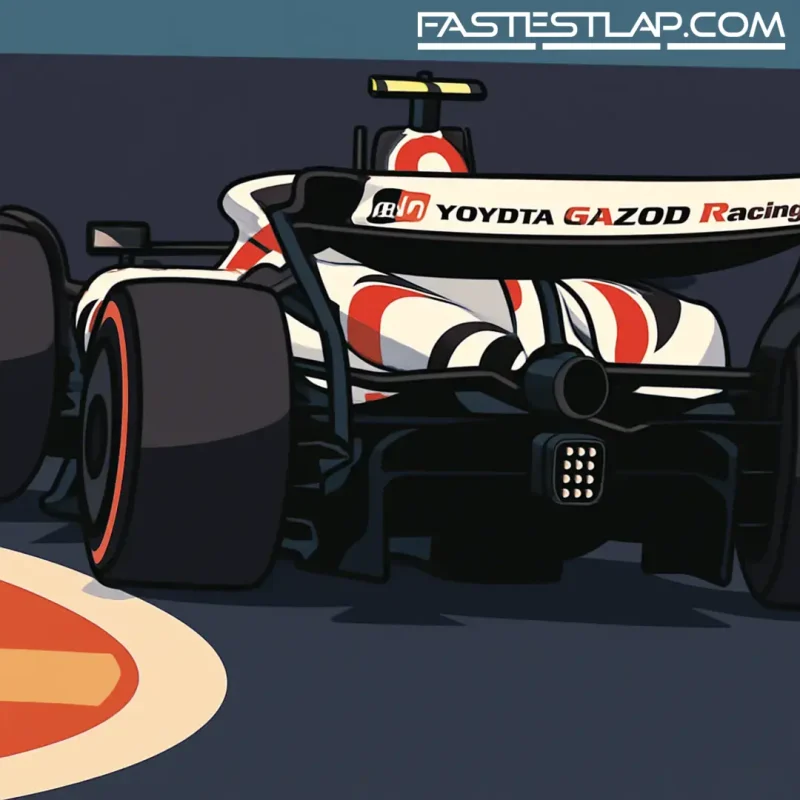
Toyota Gazoo Racing will put its name above the door as F1 shifts to the new power unit era next year, and part of that partnership is people. Engineers crossing over, race operations learning loops, and, yes, drivers. Haas ran Testing of Previous Cars for the first time this year, with Toyota factory ace Ryo Hirakawa logging laps and feedback, a noteworthy first taste of how this alliance can work in practice. Expect that pipeline to be formalized in 2026.
“They want to develop people — and that includes drivers,” Komatsu said to media. “But anyone who gets in our car has to be the best choice in terms of performance.” He even name-checked Toyota chairman Akio Toyoda in making the point that parachuting in a driver who isn’t ready would “become a joke” and look like a paid seat. That’s not the plan.
Still, it’s a plan that inevitably leads to a bigger conversation. With Oliver Bearman and Esteban Ocon contracted through 2026, Haas is nominally set for the first year of the new regulations. After that, it’s wide open. Teams and drivers have been telegraphing for months that 2027 is the move. See where the ’26 cars land, then jump.
That’s where the names start to swirl. Yuki Tsunoda, displaced at Red Bull by Isack Hadjar and heading into a test and reserve season, will be on the market for 2026 and beyond. His nationality makes him an obvious talking point in a Toyota-linked structure, and Komatsu didn’t shy away from the idea that he admires the driver. But the focus, he stressed, is on delivering a competitive ’26 car first. Unlock pace, and suddenly you’re the team drivers call — not the other way around.
And then there’s Jack Doohan. The Australian’s F1 story has been stop-start so far, but the Haas–Toyota axis could quietly reopen that door. Doohan has long been viewed as one of the cleaner, more adaptable prospects from recent F2 vintages, and he’s been hovering around opportunities without the full-time breakthrough many expected. If Haas finds itself with a seat to fill for 2027, a structured program backed by Toyota’s development intent makes him exactly the sort of high-ceiling option that fits Komatsu’s “performance first” brief. There’s no handshake hiding in the background here — just logic and timing that finally line up.
Toyota’s presence also changes the texture of Haas. This isn’t a works team rebrand; it’s a privateer gaining manufacturer heft at a critical moment in F1’s rulebook reset. The TPC running with Hirakawa signaled trust in both directions, and the next step is a ladder that makes sense: get talented drivers into Haas machinery with enough mileage and sim integration that, if a race seat opens, the learning curve is short. It’s how proper programs run.
Komatsu, for his part, is keeping the message tight. Finish the job in 2026. Make the car quick and reliable. Then let the phone ring. “Most of the drivers want to see how ’26 pans out,” he said. “The market is going to be so open for ’27. To put ourselves in the best position, we need a competitive ’26 season.” Translation: beat expectations next year and you’re shopping in a very different aisle when silly season kicks off.
There are a few dates to circle. Haas will unveil the VF-26 on January 23, with pre-season running in Barcelona three days later. That’s when we’ll get the first taste of how far this project has moved — and how ready Haas is to be more than a midfield survivor when the new rules drop.
If the car’s quick, the driver queue forms fast. Tsunoda’s availability is real. Doohan’s path, at long last, might be clearing. And Toyota, newly on the door, will have a voice in the room — not to buy a seat, but to help make sure the right driver ends up in the right one.