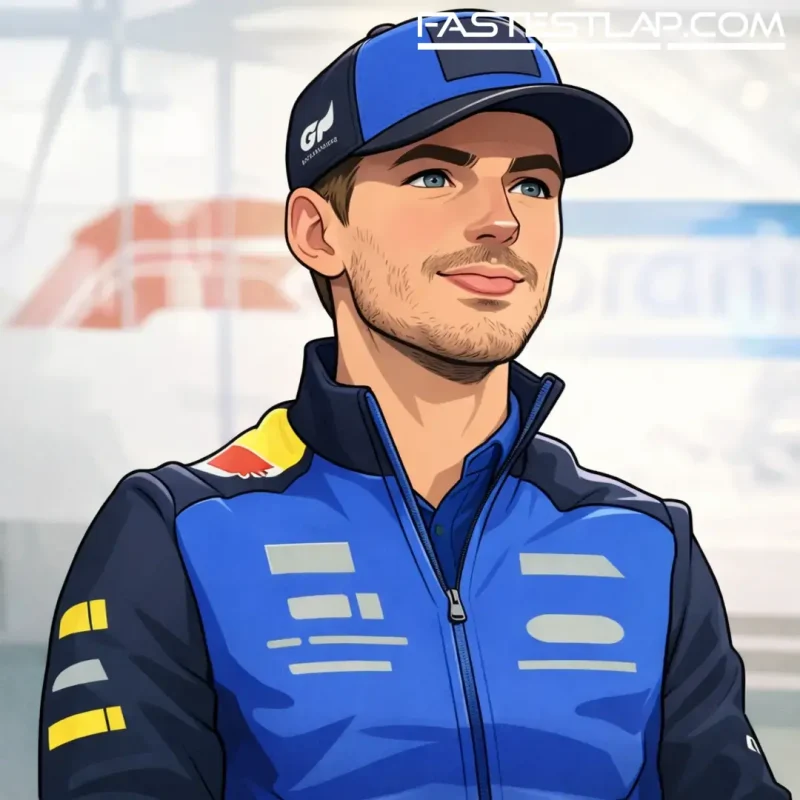
Suzuka usually has a way of stripping Formula 1 back to its essentials: downforce, bravery, rhythm. Instead, the loudest talking point coming out of the Japanese Grand Prix wasn’t a corner sequence or a strategy call — it was the growing sense that 2026’s new reality is already testing the sport’s political seams, and Max Verstappen is leaning into that pressure point with the kind of blunt-force candour that tends to make regulators twitchy.
Verstappen’s frustration with the new regulations isn’t exactly a secret in the paddock, but the tone sharpened after Suzuka when he floated the possibility he could walk away at the end of the season. In isolation, that’s just one driver venting. In context — a champion with genuine leverage, in a year where everyone is still trying to understand the competitive order — it lands differently.
Not everyone is in the mood to indulge it. Martin Brundle, speaking on Sky F1, delivered the kind of old-school response the modern grid rarely gets: either go, or stop talking about it. Brundle made clear he’d miss Verstappen’s talent, but the message was that F1 doesn’t pause for any one driver, regardless of stature. It’s a sentiment plenty in the sport privately share, even if fewer say it out loud: the championship machine keeps turning, and if you keep waving the threat of leaving, eventually people stop flinching.
What’s interesting is how Verstappen is choosing to frame his concerns — and how quickly that conversation slides from opinion into policy.
His gripe, as he’s described it, centres on the battery side of the 2026 package: harvesting and deployment becoming so critical that it risks distorting the racing and, in his view, creating problems the sport will later scramble to patch. Whether you agree with him or not, he’s talking about a pillar of the new era — not a minor tweak teams can engineer around with clever set-up.
And Verstappen being Verstappen, he’s already identified the lever that moves things inside governing bodies: language. His “solution” for pushing through engine-rule changes is as simple as it is revealing — use the word “safety”. Anyone who’s watched the FIA operate knows why that matters. “Safety” cuts through committees, politics and timelines in a way “sporting integrity” or “show” never quite does. It’s the one justification that’s almost impossible to argue against publicly, because the counterargument reads like callousness.
That’s the uncomfortable part for the FIA and for F1’s stakeholders. The sport has spent years trying to build credible, transparent governance, yet it still has these trigger words that can fast-track outcomes. Verstappen pointing it out doesn’t make it true — it already was — but he’s saying the quiet bit loudly, and that tends to force reactions.
All of this is happening against a backdrop where Red Bull’s start to 2026 hasn’t exactly looked serene. Verstappen has insisted the team’s early-season struggles aren’t driving his criticism of the rules, but it’s hard to separate the two completely. When your car isn’t comfortably on top, every structural quirk in the regulations feels less like an interesting technical puzzle and more like a potential trap door.
The tension inside the Red Bull “stable” was also on display in Suzuka in a smaller, more human way. Isack Hadjar finished 12th, outside the points, and untelevised radio revealed he branded stablemate Arvid Lindblad an “idiot” after a tense on-track battle. It’s the sort of flash you get when a team’s weekends are already loaded with pressure and a driver feels they’re having to fight for scraps. Red Bull has never been shy about internal competition, but the tone of those moments matters — especially early in a season when everyone is trying to get their footing.
While Red Bull tries to settle its own noise, Ferrari is taking a very different approach to the April pause: work, work, and then some more work. The team is due to run three times during the break, with the first outing already taking place on Wednesday at Mugello. Ferrari sits second in the early Constructors’ standings, 45 points behind Mercedes, and extra mileage now isn’t just box-ticking — it’s an attempt to turn “promising” into “relentless” before the calendar starts compressing again.
It’s also a reminder that this odd little gap before Miami will be interpreted very differently up and down the pitlane. For teams that have started sharply, it’s an annoyance: momentum interrupted, narrative cooled. For those who’ve stumbled — Red Bull among them, along with Aston Martin and Williams — it’s a lifeline, a rare moment to regroup without the next Friday session already looming.
What Suzuka left behind, more than anything, is a sense that 2026 isn’t only going to be decided by who understood the regulations best in the wind tunnel. It’s going to be shaped by who can steer the conversation around them — in meetings, in interviews, and sometimes in a single word that turns a technical debate into an urgent one.
Verstappen knows that game as well as anyone. The question now is whether the sport calls his bluff, meets him halfway, or ends up changing course because “safety” is the only argument that still moves at F1 speed.