Hamilton vs. Ron: The day a rookie insisted on a Suzuki
Long before Lewis Hamilton was the sport’s most decorated star and Ferrari’s headline signing for 2025, he was a McLaren rookie with a very specific wish: to drive Top Gear’s “Reasonably Priced Car.” Not a Mercedes. Not an SLR. A humble Suzuki Liana, just like everyone else.
That wish caused a small storm in Woking, according to former Top Gear executive producer Andy Wilman, who lifted the lid on the tug-of-war during an appearance on the Midweek F1 podcast. McLaren, then firmly tied to Mercedes, wanted Hamilton to turn up in something befitting the brand. The show wanted the same box-stock Liana used by every guest. And in the middle was a 22-year-old who’d grown up watching Top Gear and wasn’t about to let the moment slip.
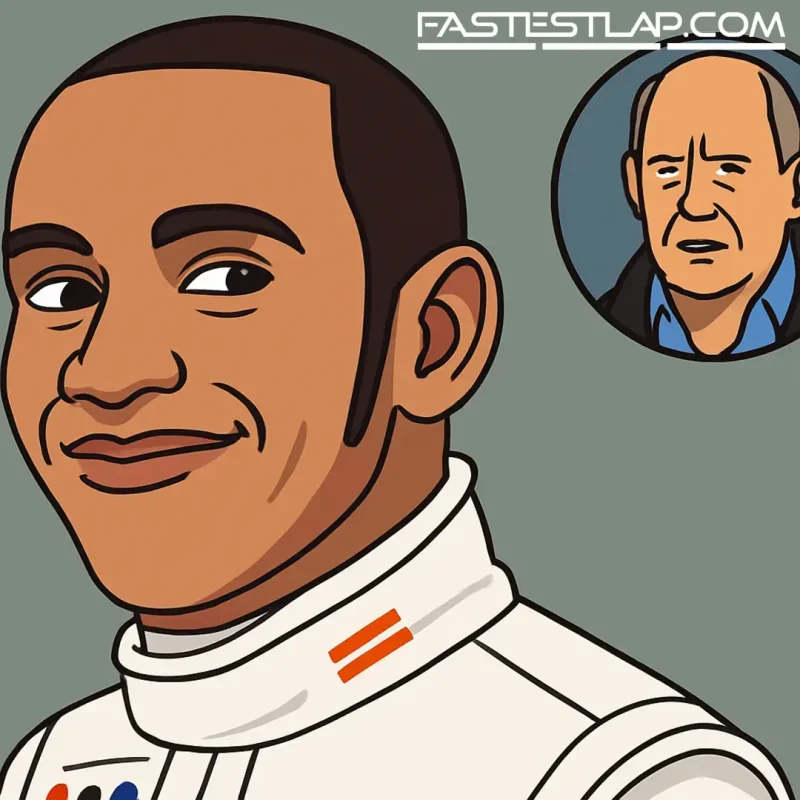
As Wilman tells it, the calls started flying. McLaren PR Matt Bishop relayed that Ron Dennis preferred Hamilton to lap in a Mercedes—“He’s a Mercedes man,” came the logic. Top Gear pushed back: the whole point was the same car, same track, same stopwatch. A stalemate, until Hamilton himself cut through it. He was going on the show. In the Liana. End of.
He arrived at Dunsfold late in 2007, not long after narrowly missing out on the title in his debut F1 season. The track was damp, the grip was low, and yet Hamilton’s car control had the gallery transfixed—particularly through the penultimate corner. The time wasn’t headline-grabbing on a wet board, but the impression was. He “just got it,” Wilman recalled.
If the first go was about making it happen, the second was about finishing the job. Hamilton returned in 2013, by then newly signed to the works Mercedes team, with one condition: he’d only come if the track was dry. It was, and he duly lit the place up. That lap put him second on Top Gear’s final drivers’ leaderboard, a whisker behind Daniel Ricciardo.
In between, there was a glimpse of Hamilton before the global sheen: post-recording chatter about fitting spinners to road cars with producer Rowland French, the wide-eyed kid from Stevenage who’d bagged a day on one of Britain’s most-watched shows. No entourage, no theatre—just a racer enjoying the toys.
There’s an echo of that day in much of Hamilton’s career. His call to do the segment his way—respectfully, decisively—felt like an early flex of independence. He’d make bigger ones later: leaving McLaren for Mercedes in 2013 (then a gamble, now the stuff of legend), and, this year, trading silver for scarlet as he spearheads Ferrari’s 2025 campaign.
But rewind to 2007, and the image is simpler: a young Hamilton, helmet on, rain beading on the windscreen, clipping the apexes of a Surrey airfield in a car built for supermarket runs. No brand politics. No corporate compromise. Just a driver, a stopwatch, and a point to prove. That he had to put his foot down to make it happen only adds to the charm—and says plenty about the instincts that carried him from that small studio lap board to the very top of the sport.