Sainz is betting on Mercedes power — and Williams likes what it’s hearing for 2026
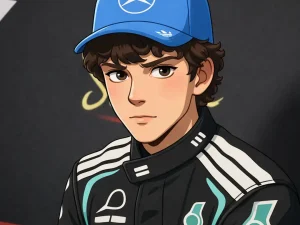
Carlos Sainz didn’t dance around it. One of the main reasons he signed with Williams for F1’s 2026 rules reset is the engine bolted behind his back. Mercedes power was a “main reason,” he told Spanish radio, and the early noise out of Brixworth is the kind that gets drivers’ attention.
It’s a timely bit of optimism as the sport barrels toward a wholesale reboot next year. The 2026 cars will be lighter, carry active aero front and rear, and run a much beefier hybrid system with a significant jump in electrical deployment matched to fully sustainable fuel in the ICE. DRS as we know it makes way for those active aero modes. In short: new playbook, new winners? Maybe.
Sainz is betting that the silver star still shines when that happens. “I have a lot of confidence in the Mercedes engine,” he said on El Partidazo de COPE. “It’s actually one of the main reasons I chose Williams for this regulation change. I knew we’d be running the Mercedes power unit, and everything I’ve heard about it has been positive, and still is.”
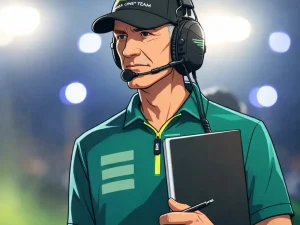
Williams team boss James Vowles, who knows the inner workings at Mercedes as well as anyone in the paddock, isn’t throwing around superlatives — but he’s clearly encouraged. Speaking to Sky F1, Vowles reminded everyone he spent two decades working with Mercedes, including the turbo-hybrid glory years, and sees familiar habits forming around the 2026 project.
“I wouldn’t say I’m confident,” he said, choosing his words carefully. “What I’m relying on is I’ve had the pleasure of working for Mercedes and with Mercedes for over 20 years, certainly from the engine production side for 15 of that. They’re really good at thinking through the problems you have to encounter in the following year and getting ahead of the programme. That’s what I’m seeing at the moment. They’ve been really good.”
Inside Williams, the future-focused shift is already well underway. Vowles described simulator work that’s “not just focused on this year” but aimed squarely at 2026, with the team “chunking through problems already.” He’s quick to add the caveat: doing your homework early doesn’t guarantee you’re ahead — it just means you’re prepared.
If there’s a power unit maker with the muscle memory for a regulation revolution, it’s Mercedes. When the hybrid era landed in 2014, they rewrote the competitive order with a run that defined the decade. Whether 2026 produces the same sorting hat remains to be seen — the regulatory balance, especially around energy deployment and aero efficiency, should make the picture less binary than 2014 — but you can see why customers are leaning in.
Williams will continue as a Mercedes customer into 2026, alongside the works team and McLaren, with Alpine set to join that stable under the new rules. However the competitive spread shakes out, that’s a sizeable data lake for Mercedes to learn from and for its customers to benefit.
For Sainz, a reset at Grove with factory-grade hardware is a calculated play. The Spaniard has built a reputation on adaptability and racecraft, and Williams under Vowles has been quietly rebuilding its foundations for exactly this sort of opportunity. Pair a clean-sheet car with a power unit from a proven programme, and you’ve got a plausible route back toward the front.
Of course, the rest of the field hasn’t been standing still. Ferrari, Honda, Red Bull Powertrains-Ford and Audi complete the roster of 2026 engine manufacturers. Any one of them could spring the surprise that defines the era. That’s the beauty and the jeopardy of a reset: everyone’s convinced they’ve found the right answers — until a stopwatch says otherwise.
Still, between Sainz’s confidence and Vowles’ measured approval, there’s a clear through-line: Williams likes what it’s hearing from Mercedes. And in a sport where the next advantage often starts life as a whisper in a dyno cell, that’s worth more than a polite nod.