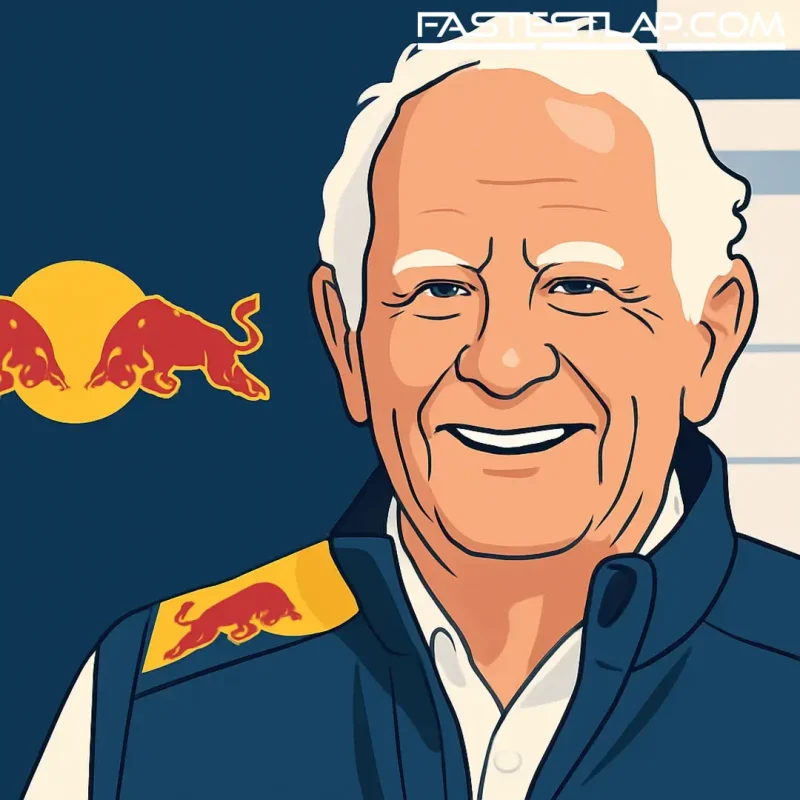
‘Like the old days’: Marko says Mekies-Verstappen axis has Red Bull humming again
Red Bull’s senior advisor Helmut Marko insists the mood at Milton Keynes has flipped back to winning mode under Laurent Mekies, calling the atmosphere “like the old days” as the team’s reset beds in after Christian Horner’s exit.
Horner, the only team principal Red Bull had ever known, was removed in July. Mekies, who’d been steering the sister outfit Racing Bulls, stepped up as team principal and CEO — only the second person to hold the job since Red Bull joined Formula 1 in 2005.
Since then, the team has looked sharper and more sure-footed, with Max Verstappen — now a four-time World Champion — rediscovering a rhythm in the RB21. Marko isn’t pinning that uptick on one person, but he’s happy with the direction and the feel of the place.
“We’re winning again,” he said on F1’s Beyond the Grid podcast. “So the atmosphere… it’s like the old days.”
Marko batted away any suggestion that comparing Horner and Mekies is helpful, likening it to switching football coaches: different styles, same job, results are what count. “Both have their merits,” he added, a neat way of keeping the past acknowledged and the present uncomplicated.
What’s changing behind the scenes? According to Marko, Verstappen and Mekies have aligned on a more pragmatic, driver-led process that’s widened the RB21’s operating window. Less worshipping at the altar of perfect sim numbers, more trust in feel and lap time.
He called Verstappen’s influence “quite massive,” but stressed it’s a partnership. Mekies’ engineering chops and communication style, he said, have helped knit together a “new way of going into the details,” with a simple north star: “It’s not what the simulator says, it’s what the stopwatch shows.”
That matters for Red Bull. In the recent past — and Marko’s never been shy about this — the car tended to balance on a knife-edge where Verstappen thrived and teammates tiptoed. The RB21 still rewards commitment, but the aim now is a platform that gives the driver confidence without living permanently on that narrow limit.
“His feel and car control is what makes the difference,” Marko said of Verstappen, offering a familiar but telling comparison. When the rear is skittish, Sergio Perez might lift; Verstappen will often stay flat, maybe call it “a little bit unstable,” and still push. It’s not a dig at Perez so much as a reminder of what Red Bull calibrates to — and what it’s trying to broaden.
Mekies, for his part, has been keen to downplay any narrative that he walked in and flicked a switch. Plenty of updates were already on the way before he took the big chair. But it’s clear the tone is different. The data-first approach has been nudged back toward a driver-first feel, and the team looks more comfortable making bolder set-up calls that serve confidence rather than chasing theoretical sweet spots.
As for Horner’s future, that remains unresolved. After two decades at the helm and a haul of titles, his next move is a paddock subplot without a clear timeline. Inside Red Bull, though, the emphasis is on the now: Mekies leading, Adrian Newey’s legacy still in the DNA even as the technical structure evolves, and Verstappen steering the competitive compass.
If it sounds familiar, that’s the point. Red Bull built its dynasty by being brutally efficient and unafraid to change tack when the stopwatch demanded it. Marko’s message is that the edge is back — not just in outright pace every weekend, but in the way the team goes racing. Less romance about processes, more belief in the people.
And yes, when Red Bull is winning, it does tend to feel like the old days.