Alpine isn’t exactly trying to damp down the noise around its commercial future — but it’s also not about to confirm anything until the ink’s dry.
Amid reports that Gucci is being lined up as a potential title sponsor for 2027, the Enstone team has stressed it’s “constantly looking for new partnership opportunities”, while keeping any specific conversations firmly behind closed doors. That’s corporate-speak, sure, but in a paddock where livery real estate and brand alignment are now part of the competitive ecosystem, it also reads like a team positioning itself for a different tier of partner than the one it’s had for the past few seasons.
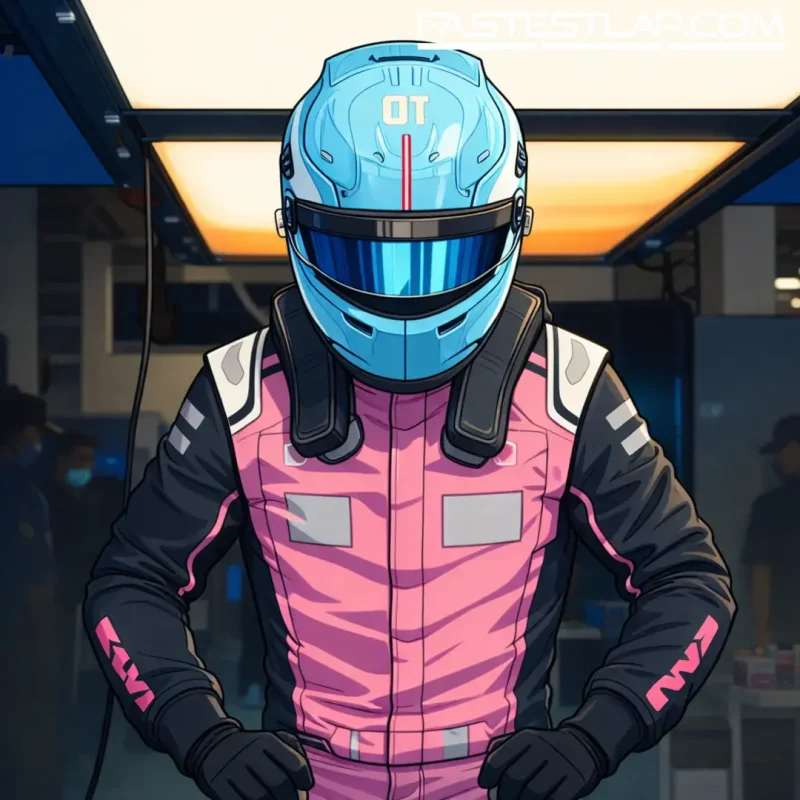
BWT’s title deal has been in place since the beginning of 2022 and is expected to run to the end of this year. If Alpine does pivot away, it would mark the end of an era defined as much by the team’s pink-and-blue visual identity as by the on-track swings that came with it. Title sponsorship in 2026 isn’t just a sticker on the sidepod; it’s a statement of how a project wants to be perceived — and, crucially, how it wants to be funded.
There’s also a people thread running through the rumours. Luca de Meo, Renault’s former chief executive, took over as CEO of Gucci’s parent company in September 2025, a few months after stepping away from the French car giant. In isolation that doesn’t guarantee anything — Formula 1 deals don’t happen on familiarity alone — but it’s the sort of connective tissue that gets noticed in this sport.
Then there’s Flavio Briatore, Alpine’s executive adviser, who is understood to have a strong relationship with de Meo. Briatore’s own background in fashion and branding is well-worn history, stretching back to Benetton before the move into F1 with the label in the late 1980s. He’s always been more comfortable than most team bosses talking in terms of image, celebrity and commerce — not just lap time — and that instinct fits neatly with the idea of a luxury fashion house becoming the face of a works-linked outfit.
Alpine, for its part, played it straight when asked about the chatter.
“Alpine Formula One Team is constantly looking for new partnership opportunities and in contact with a wide range of brands and companies as potential partners,” the team said in a statement. “The discussions are however always kept confidential and they are disclosed only when confirmed and agreed by all parties.”
That’s the key line: there may be talks, there may not; either way, Alpine won’t feed the story until it’s ready to launch it.
If Gucci did come on board in a title capacity, it would be another sign of how aggressively fashion is colonising F1’s commercial space. The grid’s become a catwalk of sorts in recent years, with big-name brands pushing beyond hospitality and into core team identity. Alpine would hardly be alone in that shift: Tommy Hilfiger is currently aligned with Cadillac, New Era with Williams, while Adidas has deals with Audi and Mercedes.
What’s less clear — and arguably more interesting — is what a Gucci tie-up would actually look like beyond the obvious naming rights and logos. Alpine already has an apparel partnership with Castore, agreed ahead of the 2025 season. So a Gucci deal, if it happens, would either need to coexist with that arrangement or reshape it in some way. Title sponsorship doesn’t automatically override kit supply and merchandise structures, but it can change the gravity of the room. Big brands don’t pay big money just to be treated like another decal.
Castore itself has been feeling the churn: its deal with McLaren ended early ahead of the 2026 campaign after the reigning champions switched to Puma. And Red Bull is also expected to move away from Castore for 2027 in favour of Adidas. The message is obvious: teams believe there’s more value — and more global pull — in aligning with the biggest players in sportswear and lifestyle.
Alpine’s timing here matters, too. The team is coming off a bruising 2025 that ended with last place in the constructors’ standings, the sort of finish that tends to spook partners and embolden rivals in the sponsorship market. But the first phase of 2026 has been noticeably healthier: fifth in the standings on 23 points, only seven behind Red Bull, is at least a platform you can sell.
On-track performance doesn’t guarantee a commercial upgrade, but it changes the conversation. A team that looks stable, upwardly mobile and visible on Sundays is simply an easier proposition — especially for brands that want cultural relevance as much as sporting association.
Pierre Gasly’s sixth place in China remains Alpine’s best result of the season so far, and it’s exactly the kind of quietly solid headline that helps a sales pitch. The broader point is that Alpine, for the first time in a while, looks like it might be building something coherent: a clearer sporting direction, a more recognisable management structure, and now — perhaps — a recalibrated approach to how it positions itself in the market.
Gucci and BWT have both been approached for comment. Until there’s confirmation, it all sits in that familiar grey zone between paddock whispers and boardroom reality.
But the fact Alpine is being linked to a name like Gucci at all tells you where it thinks it should be. And in modern Formula 1, ambition is often telegraphed by the partners you chase as much as by the lap times you produce.