Max Verstappen’s Nürburgring 24 Hours bid unravelled in the most Nürburgring way possible: late, messy, and with the pitlane suddenly feeling a lot longer than it looked a few hours earlier.
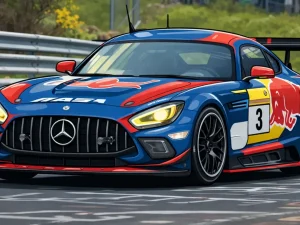
The Team Verstappen Mercedes-AMG GT3 had spent much of the race looking like the car to beat around the Nordschleife, only for a late twist to knock it out of the fight at the sharp end. With three hours still on the clock, Verstappen’s entry had dropped to 11th in the running order — a stark correction in an event where “comfortable lead” is usually just shorthand for “waiting for the next problem”.
At the 21-hour mark, Winward Racing’s #80 Mercedes-AMG GT3 led the race on lap 135, with the #34 Walkenhorst Motorsport Aston Martin Vantage AMR GT3 EVO a lap back in second. ROWE Racing’s #99 BMW M4 GT3 EVO held third, 3.1 seconds behind the Aston Martin on the road, with the Red Bull Team ABT Lamborghini (#84) and BMW M Motorsport’s #81 BMW M3 Touring rounding out the top five.
Verstappen’s own sister Winward entry — the #3 Mercedes-AMG GT3 he shares with Lucas Auer, Jules Gounon and Daniel Juncadella — sat outside the top 10 as the race entered its final quarter. That’s a long way from dictating the tempo, and an even longer way from the sort of clean run you need to win at the Ring, where even the strongest line-up can be made irrelevant by a puncture at the wrong part of the lap, a yellow you can’t convert, or a small issue that becomes a big one because the track is simply too vast to manage.
The wider picture at the front underlined just how competitive — and unforgiving — this year’s race has been. Behind the leading trio, the Lamborghini threat was still present via ABT, while Porsche’s latest 911 GT3 R (992) Evo26 machinery remained in the hunt through Lionspeed GP (#24) and Dinamic GT (#54), albeit already carrying significant time losses. HRT Ford Racing’s new Mustang GT3 EVO (2026) was also still in the mix inside the top 10 at that stage, sitting eighth on lap 133.
And then there’s the simple Nürburgring truth: the order you see with three hours to go is rarely the one you get at the flag. The gaps and lap counts tell you who’s executed best so far — not who’s about to get away with it.
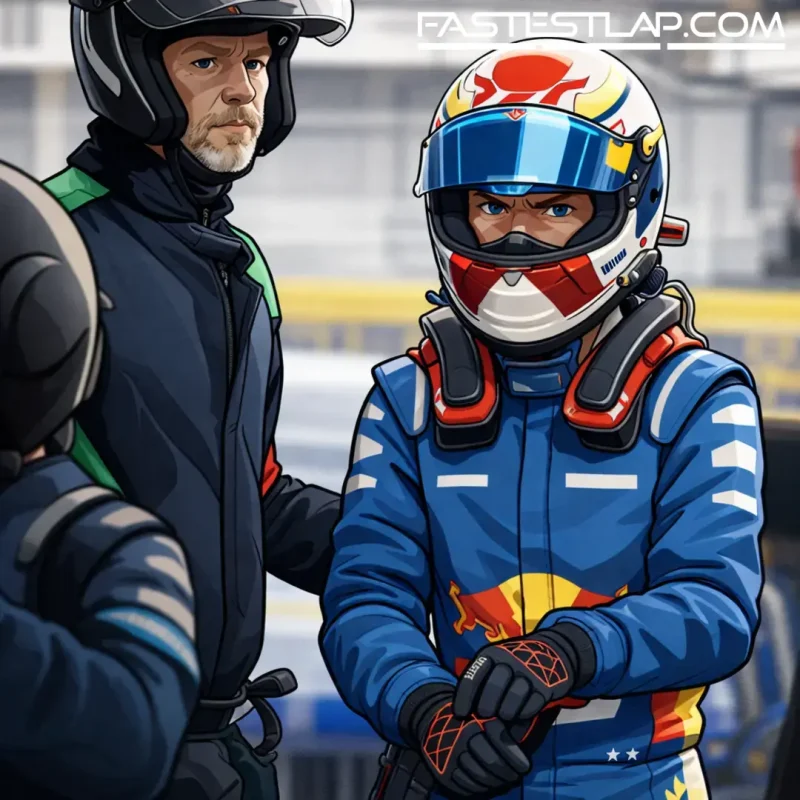
For Verstappen, the frustration is obvious even without spelling out the cause. This is a driver who measures weekends by outcomes, not vibes, and endurance racing doesn’t care how sharp your stint was if the race bites your car when you’re not in it. Dropping down the order that late doesn’t just cost you a trophy; it robs you of the one thing drivers chase in these events more than anything else: control.
What’s striking is how quickly the narrative around a high-profile entry can flip here. The Verstappen name brings cameras, attention, and a certain expectation of inevitability — but the Nürburgring has always been the great equaliser. It flattens reputations, punishes assumptions, and hands out reality checks to factory-grade operations and celebrity programmes alike.
With three hours remaining, the job for the #3 crew was no longer about managing a lead or covering strategies. It was damage limitation — clawing back whatever’s still available from a race that had, at one point, looked set up for something far more significant.
Up front, Winward’s #80 Mercedes was in the kind of position every endurance team wants at this point: leading, but not by enough to relax. Walkenhorst’s Aston Martin remained close enough to pounce if the #80 stumbled, while ROWE’s BMW was hovering with the sort of pace and experience that makes it a permanent threat in the final hours.
Verstappen, meanwhile, could only watch from pitlane as the race rolled on — another reminder that at the Nordschleife, even when you’ve done plenty right, you’re never entitled to the ending.