Williams isn’t pretending this is a quick fix anymore. The latest round of hires out of Grove reads like a team that’s finally prepared to do the unglamorous, expensive bit of a modern rebuild: overhaul how it works, not just who drives the car.
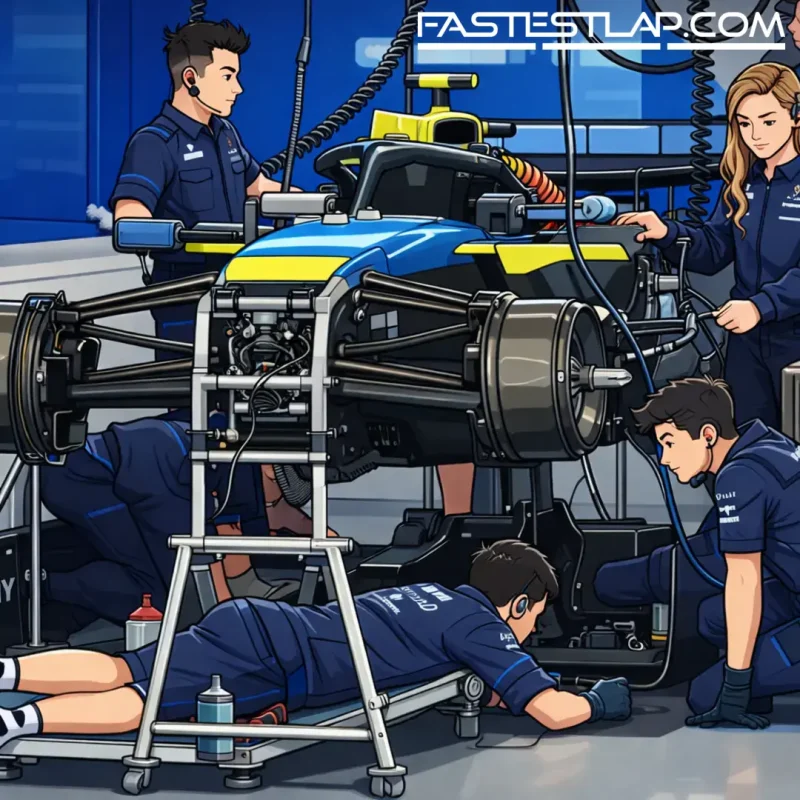
The headline move is Piers Thynne, arriving from McLaren in August into a newly-created position titled chief optimisation and planning officer. Titles can be window dressing in Formula 1, but this one comes with a very specific remit: reshape manufacturing and operations, streamline processes, and push harder on the kind of factory-side technology that’s become a competitive weapon in its own right — robotics, AI, advanced manufacturing, the lot.
Thynne isn’t a parachuted-in “change agent” from outside the sport either. He joined McLaren back in 2007 as a gearbox programme manager and rose through the organisation to become chief operating officer. Williams is clearly betting that the habits and systems behind McLaren’s recent peak — including its 2024 and 2025 championship success — can be transplanted, at least in part, to a team that’s spent the better part of a decade trying to remember what “front-running normal” feels like.
“I have enjoyed a fantastic time at McLaren, helping bring the team back to the top, and hope we will be able to do the same at Williams,” Thynne said, framing the move less as a sideways step and more as another long-term project with a familiar end goal.
James Vowles, never shy about talking in big-picture terms, was just as direct. He described Thynne’s experience as “unrivalled recent” know-how in winning championships — and in a sense, that’s the point. Williams doesn’t lack ambition; it lacks the repeatable, industrial-grade execution that top teams treat as oxygen. The language around Thynne’s role is telling: optimisation, planning, resources, process. This is less about a single clever idea on a Sunday and more about removing the hundred small inefficiencies that make a midfield outfit look busy rather than dangerous.
Thynne is also only one part of a broader recruitment push that signals Williams is building out depth across the technical organisation — and doing it by prising proven people from rivals.
Claire Simpson arrives from Mercedes, where she led an aerodynamic group, and will become Williams’ head of aerodynamic development. That’s a notable hire on its own: not because it instantly transforms a car, but because it reinforces a shift in how Williams wants to structure its aero department, with clearer leadership and a pipeline for development rather than episodic bursts of progress.
Then there’s Fred Judd, joining as head of performance optimisation after 17 years with Mercedes AMG High Performance Powertrains. Again, the job title points to the same theme: Williams is trying to get better at turning potential into lap time consistently, and that tends to live in the grey area between departments — where data, tools, correlation and day-to-day decision-making either align, or quietly sabotage each other.
Steve Booth rounds out the quartet, coming in as head of vehicle engineering after serving as Alpine’s chief engineer. That’s a key operational appointment: the person who makes sure the car concept, the upgrades, and the race-weekend reality actually meet in the middle, rather than arriving as competing versions of “what should work”.
Put together, it looks less like opportunistic shopping and more like a deliberate attempt to professionalise the entire chain from design intent to factory output to trackside execution. It’s the kind of work that rarely delivers an instant headline-grabbing leap — but it’s also the work that stops you wasting six months discovering your own processes aren’t fit for purpose.
The context for all this is stark enough. Williams is eighth in the Constructors’ Championship with five points, although Miami at least brought a season-first double points finish. That’s the present tense: a team still scrapping for small rewards, still living week to week on whether the package and the tyres play nicely.
But Vowles has been consistent in pushing the narrative that the real fight is structural, not situational. These hires back that up. They’re aimed at the ceiling, not the next upgrade. And if you’re Williams, that’s probably the only honest way to talk about “championship level” again without it sounding like nostalgia.
There’s also an intriguing paddock subtext here: Williams isn’t just recruiting smart individuals; it’s targeting organisations that have recently demonstrated how to climb — or stay — at the top. McLaren’s operational resurgence, Mercedes’ depth and discipline, Alpine’s engineering experience. Williams is essentially assembling a leadership group that’s seen what “good” looks like up close, and has lived the consequences of what happens when standards slip.
None of it guarantees success, of course. Culture doesn’t change because you add a few names to an org chart, and rivals won’t politely pause while Grove modernises its workflows. But this is what serious intent looks like in 2026: not a slogan, not a flashy launch, but a sustained investment in the machinery behind the machinery.
And if Williams does take a meaningful step forward over the next stretch, don’t be surprised if it starts in the factory — long before it shows up on the timing screens.